



The Comfort of Controlled Chaos
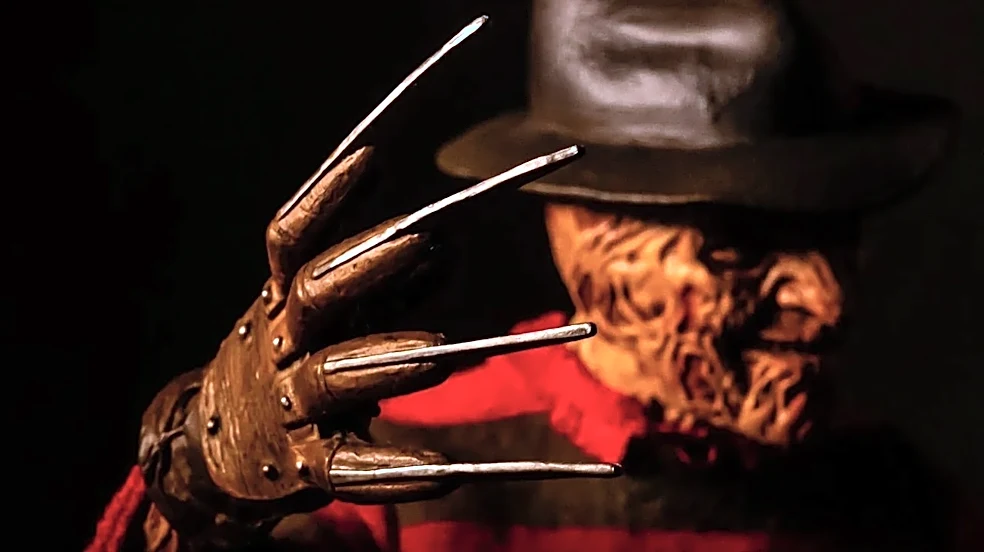
At its core, the appeal of a predictable scare is about control. When you watch Michael Myers stalk another victim or Ghostface make another meta-commentary-laced call, you're engaging in what psychologists call 'controlled fear'. You get the adrenaline
rush—the fight-or-flight response that floods your brain with dopamine and endorphins—without any actual danger. You’re in a safe environment, surrounded by fellow moviegoers, which transforms a terrifying experience into a thrilling one. Knowing the rules of the game, whether it's the 'final girl' trope or the inevitable villainous return, gives the audience a sense of mastery. A study in 'Psychological Science' even found that people often enjoy stories more when they know the ending, as it makes the narrative easier for the brain to process. This cognitive ease makes the experience less about genuine terror and more about the cathartic release of manageable tension.
Nostalgia Is a Powerful Draw
Horror franchises are potent nostalgia machines. For many, these films are woven into the fabric of their youth—sleepovers with friends, first dates, and annual Halloween traditions. Rewatching a 'Scream' or 'Halloween' movie isn't just about the plot; it's about reconnecting with a past self and the memories associated with that time. This creates a powerful emotional sanctuary, a cinematic comfort blanket. Studios have become masters at weaponizing this. Modern horror often incorporates 'nostalgia horror' by setting films in the recent past or deliberately mimicking the style of older classics, creating a retro feel that appeals to multiple generations. Whether it’s a direct sequel that brings back original cast members or a 'requel' that pays homage to the source material, these films offer a dialogue between the past and the present, reassuring us while simultaneously scaring us.
It’s a Communal Experience
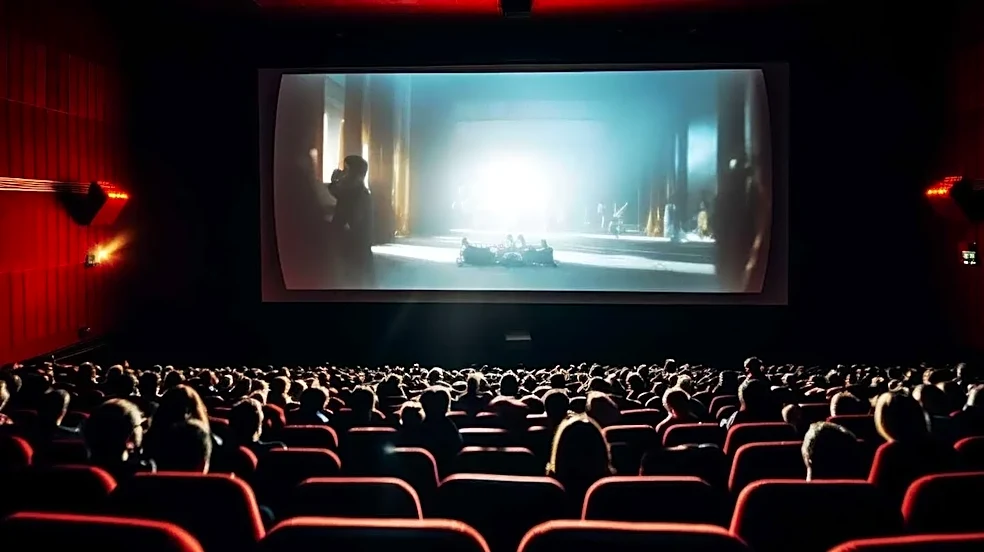
Perhaps the most irreplaceable element of theatrical horror is the audience itself. There is a unique, electric energy in a packed theater that simply cannot be replicated on a couch. The collective gasp when a character walks into the basement, the shared shriek at a perfectly timed jump scare, and the nervous laughter that follows create a powerful bonding experience. You are part of a temporary community, all strapped into the same emotional rollercoaster. This social aspect is a huge driver; one UK study found that over a third of people would refuse to watch a scary movie alone, and many see it as a prime opportunity to spend time with loved ones. Horror fans are a famously dependable audience, often showing up on opening weekend to be part of the cultural conversation and avoid spoilers. This transforms a passive viewing into an active, participatory event where the crowd’s reaction becomes part of the entertainment.
A Smart Bet for Studios
Beyond the psychology and sentimentality, there's a straightforward business reason why familiar scares dominate the October box office: they are a reliable investment. In an unpredictable market, a known franchise with a built-in fanbase is far less risky than an original concept. Horror sequels, prequels, and reboots consistently perform well, with some franchises like 'IT' and 'The Conjuring' universe generating enormous returns. The success of 'Evil Dead II' and '10 Cloverfield Lane' shows that sequels can sometimes even outperform their predecessors critically and commercially. Marketing for a new installment in a beloved series is easier and more effective, leveraging decades of brand recognition. As long as audiences continue to find comfort and community in these established worlds, studios will keep the sequels coming, ensuring that our favorite slashers, ghouls, and ghosts will be waiting for us in the dark for years to come.