
The Hunt Is Part of the Experience
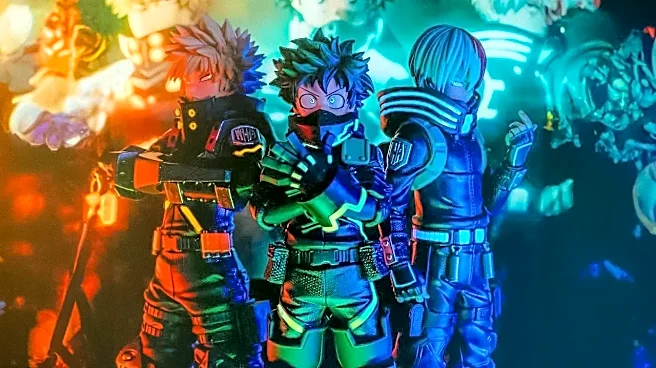
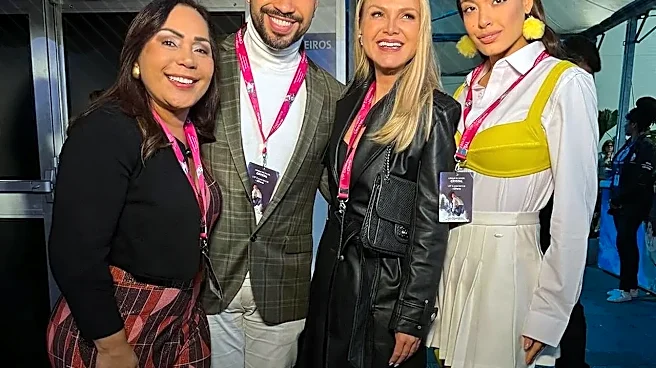
For tens of thousands of attendees descending on the Javits Center, New York Comic Con isn't just a passive event; it’s an active quest. And the holy grails are the exclusives—items you can only get right here, right now. This year, it might be one of Funko’s
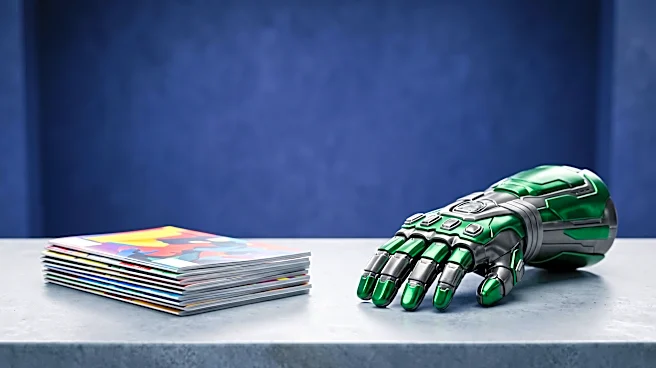
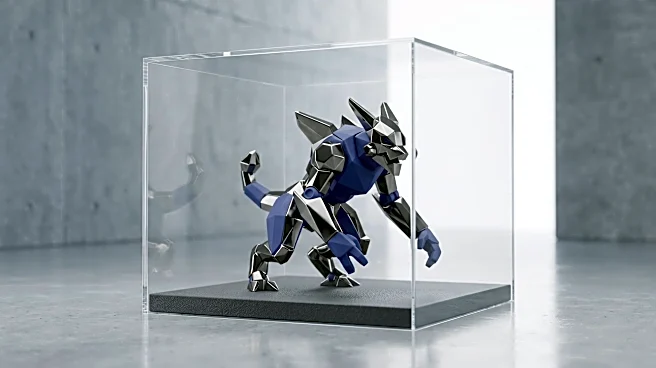
hyper-limited Green Lantern Pop figures, some of which are restricted to just a few hundred pieces. Or it could be a special foil comic book cover from DC, or a unique collectible from a smaller vendor. Getting one isn't as simple as walking up to a counter. For the most sought-after items, like Funko’s, fans have to win a digital lottery just for the privilege of standing in line to buy something. This transforms shopping from a transaction into a game. The merchandise becomes a trophy, a tangible symbol that you didn’t just attend the con—you conquered it. The 'thrill of the chase' is a powerful motivator, turning a simple purchase into a memorable story.
The Powerful Psychology of Scarcity
So what's the big deal? It's just a plastic toy, right? Not quite. The engine driving this urgency is a well-known psychological trigger: the scarcity principle. We are hardwired to want what we can't easily have. When a company announces an item is a “Convention Exclusive” or has a “Limited Edition of 500,” it taps directly into our fear of missing out (FOMO). Owning that item provides more than just the object itself; it grants status. It’s proof that you were there, you were dedicated, and you succeeded where others couldn't. This creates an instant in-group of owners and an out-group of those who missed out. It’s why a collector doesn’t just see a vinyl figure; they see social currency, a badge of honor that earns nods of respect from fellow fans and validates their passion. This sense of pride and belonging is often more valuable than the item’s monetary worth.
From Collectible to Investment
Adding another layer of pressure is the booming secondary market. For every fan who wants an exclusive for their personal collection, there are others who see it as a short-term investment. It’s no secret that a $20 figure bought on the show floor can appear on eBay for hundreds of dollars just hours later. This reality injects a dose of financial speculation into the hunt. Even if a fan has no intention of selling, the knowledge that the item has significant resale value reinforces its perceived worth and makes the decision to buy it feel more significant and less frivolous. Companies are aware of this, using different stickers to denote whether an item is a true convention-only exclusive (and thus rarer and more valuable) or a “shared” exclusive that will also be sold at select retailers. This creates a tiered system of rarity that fuels collector debates and market speculation long after the convention doors close.
A Brand's Best Friend
Ultimately, the exclusive merchandise frenzy is one of the most effective marketing tools a brand can deploy. It’s not just about the revenue from the items sold. The real value is in the buzz. The long lines, the lottery systems, and the social media posts from excited fans who snagged a rare find all serve as free, high-energy advertising. It drives foot traffic directly to a company's booth, creating a gravitational center on a crowded show floor. Brands like Funko, DC, and Monogram International have mastered this art. By creating a must-have item, they ensure their booth is a primary destination, giving them the opportunity to showcase their entire product line to a captive audience. The urgency around that one special item creates a halo effect, elevating the entire brand in the consumer's mind and generating loyalty that lasts far longer than the four-day event.