








First, What Is ‘Mise en Place’?
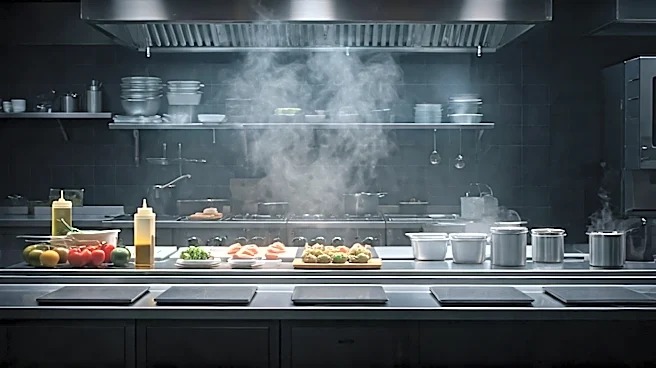
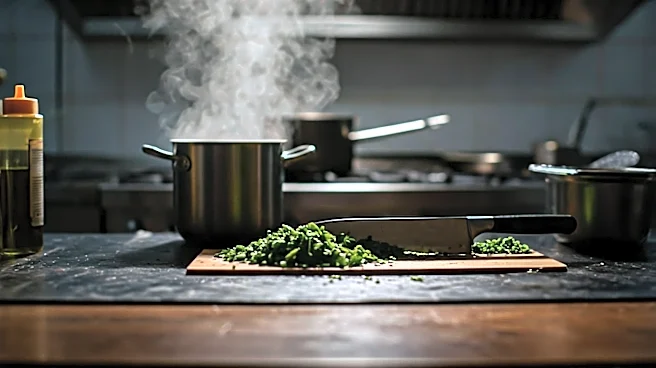
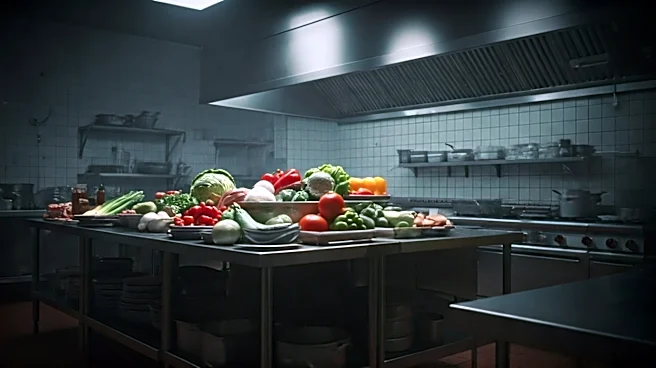
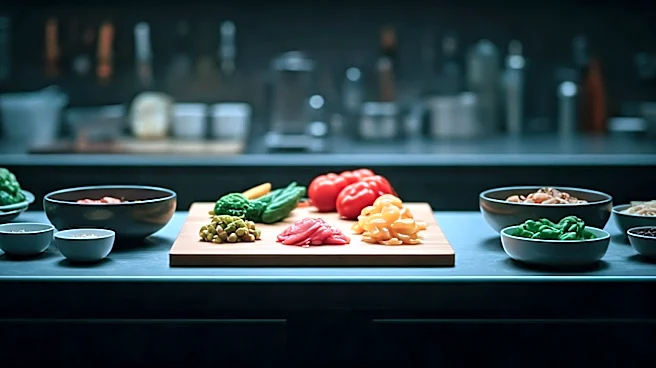
Translated simply as “everything in its place,” mise en place is a foundational concept in professional kitchens. Before the first pan gets hot, chefs spend hours prepping: chopping vegetables, portioning proteins, arranging sauces, and laying out tools.
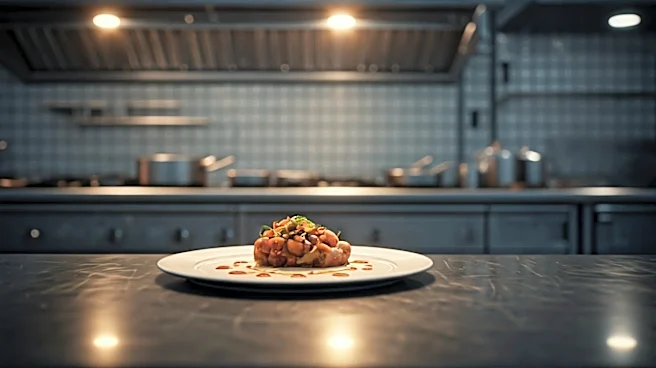
The goal is to create a state of total readiness, allowing a cook to execute complex dishes with speed and precision during the intense pressure of service. It’s a system of organization designed to minimize chaos and maximize focus. In a high-functioning kitchen, your 'mise' is your lifeline. Without it, you’re lost.
A System Against the Chaos
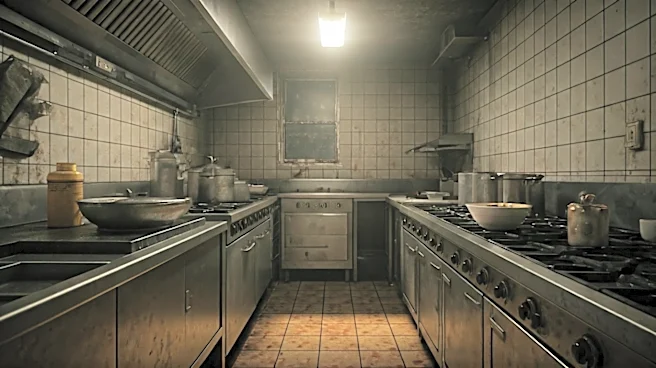
From the opening episodes, 'The Bear' establishes that The Original Beef of Chicagoland is a place devoid of 'mise.' It’s a whirlwind of disorder, debt, and unresolved grief. Into this chaos steps Carmen “Carmy” Berzatto, a fine-dining chef haunted by the suicide of his brother, Mikey. For Carmy, implementing the French brigade system and its core tenet of mise en place isn’t just a professional upgrade; it’s an act of survival. He’s not just organizing a kitchen; he’s trying to organize his grief and trauma into manageable containers. The system provides external order when his internal world is collapsing. The meticulously prepped quarts of mirepoix and neatly labeled tape become a shield against the unpredictable sorrow of his family's tragedy.
The Gospel of Order and Respect
As Carmy and ambitious newcomer Sydney Adamu work to transform the restaurant, mise en place becomes their shared language. For them, it represents more than efficiency—it’s about respect. Respect for the craft, for the ingredients, and, most importantly, for each other. A clean, organized station signifies that you take your role seriously and respect the work of the person next to you. This philosophy is the foundation of the high-level kitchens they aspire to create. It's a silent contract: I have prepared, so I am ready to support you. This code of conduct allows them to build a team out of a collection of fractured individuals, creating a pocket of excellence amidst the noise.
Richie's Road to Redemption
No character’s journey illustrates this moral dimension better than Richie Jerimovich’s. Initially, he is the antithesis of mise en place—all chaotic energy, emotional outbursts, and resistance to change. His messy station mirrors his messy life. He feels useless because he lacks a system. His transformation in Season 2, during his stage at a three-Michelin-star restaurant, is a revelation. He doesn't just learn to polish forks; he learns the 'why' behind the system. He discovers that meticulous preparation is an act of service and a source of self-respect. By embracing this code, Richie finds his place not just in the kitchen, but in the world. He goes from being a problem to being part of the solution.
A Philosophy for Life
Ultimately, 'The Bear' argues that the principles of mise en place extend far beyond the kitchen walls. It’s a framework for how to approach life itself. It’s about doing the hard work of preparation—whether it's facing your trauma, fixing broken relationships, or pursuing a dream. The show suggests that you can’t build something new and beautiful on a foundation of chaos. You have to clean your station, organize your components, and face the service head-on. By turning this culinary practice into a narrative theme, the series shows that having “everything in its place” isn’t just about cooking. It’s about having the clarity and readiness to handle whatever life decides to throw at you.