





Zinedine Zidane: The Tragic Final Act
The stage was set for a perfect farewell. It was the 2006 World Cup Final, and Zinedine Zidane, the French icon playing his last-ever match, had already scored a stunningly audacious Panenka penalty. He was gliding across the Berlin pitch, the master
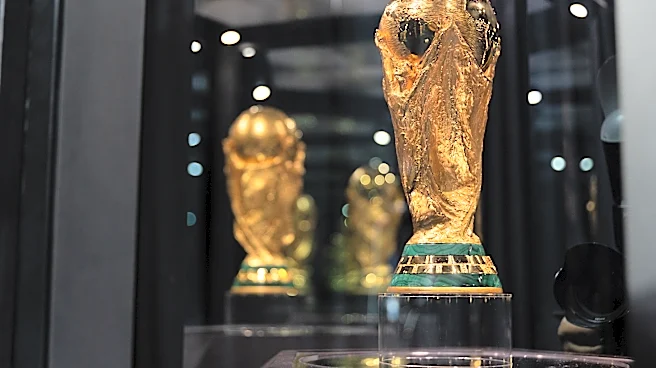
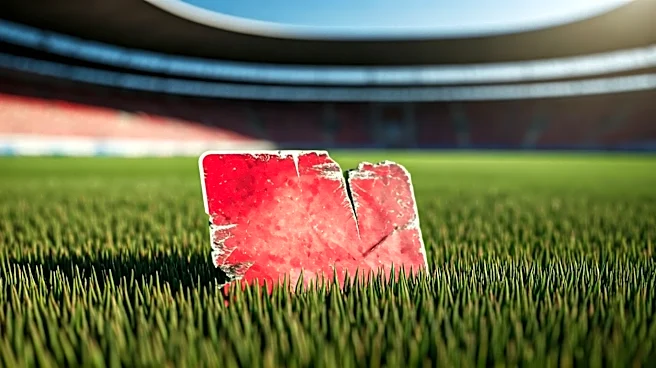
puppeteer dictating the game's rhythm against Italy. Then, in the 110th minute of extra time, the narrative shattered. After a verbal exchange with Italian defender Marco Materazzi, Zidane turned, lowered his head, and drove it into Materazzi's chest. The referee, after a brief consultation, brandished the red card. It was a moment of shocking, primal rage from a player known for his celestial grace. France went on to lose the final on penalties. Instead of lifting the trophy one last time, Zidane’s career ended with a walk of shame past the very prize he was supposed to win. His genius was never in doubt, but his reputation was forever appended with a tragic, violent footnote.
David Beckham: From Pariah to Patriot
Before he was a global brand, David Beckham was a supremely talented young midfielder for England. At the 1998 World Cup, in a tense knockout match against bitter rivals Argentina, Beckham was brought down by Diego Simeone. Lying on the grass, Beckham petulantly flicked his leg back, tripping Simeone, who collapsed theatrically. The referee saw the childish kick and issued a straight red. England, down to ten men, eventually lost on penalties. The British tabloids were merciless. One headline screamed, “10 Heroic Lions, One Stupid Boy.” Beckham became a national pariah, with his effigy hung in public. The red card didn't just change a game; it ignited a firestorm of abuse that tested his resolve. Yet, this moment became the crucible of his career. He responded not with excuses, but with relentless professionalism, culminating in a stunning free-kick against Greece in 2001 to send England to the next World Cup. His journey from villain back to national hero cemented his reputation as a player of immense mental fortitude.
Luis Suárez: The Devil’s Bargain
Some red cards are for stupidity. Some are for violence. And some, like Luis Suárez’s in 2010, are for breathtakingly cynical, game-saving sacrifice. In the final seconds of extra time in a quarter-final against Ghana, with the score tied 1-1, a goal-bound header was heading into Uruguay’s net. Suárez, standing on the goal line, instinctively and illegally swatted the ball away with his hands. It was a blatant, undeniable red card. As Ghana’s Asamoah Gyan stepped up to take the penalty that would have made his country the first African nation to reach a World Cup semi-final, Suárez watched from the tunnel. Gyan smashed the penalty off the crossbar. Uruguay went on to win the ensuing penalty shootout, and Suárez was seen celebrating wildly. He became a national hero in Uruguay but an absolute villain across Africa and much of the world. The incident perfectly encapsulated the player he would become: a brilliant, win-at-all-costs competitor whose genius was forever paired with a dark, controversial edge.
Wayne Rooney: The Red Mist Descends
By 2006, Wayne Rooney was England’s explosive, talismanic young striker, but he carried a reputation for a fiery temper. In a tense quarter-final against Portugal, that reputation became reality. After getting tangled up with defender Ricardo Carvalho, Rooney appeared to stamp on his groin. His Manchester United teammate, Cristiano Ronaldo, rushed to the referee, seemingly demanding a card. As the red was shown, cameras caught Ronaldo winking towards his bench. England was out, again on penalties, and the narrative was set: the hot-headed Rooney had cost his country, goaded into a trap by his own club teammate. The incident reinforced the perception of Rooney as a player whose immense talent was always at risk of being undone by his own lack of discipline. For years, every flash of anger was viewed through the lens of that moment, a self-fulfilling prophecy that he spent the rest of his career trying to outrun.
Leonardo: The American Dream's Nightmare
For American fans, the 1994 World Cup on home soil was a coming-out party. The U.S. team had defied expectations, reaching the knockout stage to face eventual champions Brazil. The game was a tight, hard-fought affair—until the 43rd minute. As U.S. midfielder Tab Ramos shielded the ball, Brazil’s Leonardo, frustrated and flailing, swung a vicious elbow that caught Ramos square in the temple. Ramos crumpled to the ground, his tournament and season over with a fractured skull. It was a brutal, unnecessary act that had no place in the “beautiful game” Brazil was famous for. Leonardo was shown a straight red and handed a four-game ban, missing the rest of the tournament. While Brazil went on to win the Cup, Leonardo’s reputation was permanently stained by the incident. For American fans, he became the face of cynical, win-at-all-costs play that almost tragically derailed their nation’s soccer fairytale.