





Meet the Power Couple: Warm Beige and Cool Gray
For years, design advice treated beige and gray as mutually exclusive. You either had a warm, cozy, beige-based home or a sleek, modern, gray one. Trying to mix them was a cardinal sin, often resulting in a room that felt disjointed or 'off'. The reason
for this rule is simple: beige is typically a warm neutral with yellow or brown undertones, while gray is usually a cool neutral with blue, green, or purple undertones. They come from opposite sides of the temperature spectrum. Yet, when paired intentionally, this very conflict is what creates a dynamic, layered, and deeply inviting space. The warmth of beige and the coolness of gray balance each other, preventing a room from feeling too stark or too stuffy.
The Secret Language of Undertones
Before you start splashing gray paint next to your beige sofa, it's crucial to understand undertones. Think of an undertone as the subtle color hiding beneath the main color you see. It’s why one white paint can look creamy (warm undertone) and another can look crisp (cool undertone). When designers say undertones are 'clashing' or 'disagreeing', they mean a warm hue is placed next to a cool one. Often, this is a mistake. An accidental clash, like pairing a pinkish-beige carpet with a green-tinted gray wall, can feel unsettling. But the combination of a classic warm beige with a true, crisp cool gray works because the contrast is clear and intentional, not accidental. This deliberate tension is what makes the design interesting.
Why This Disagreement Creates Harmony
A room decorated in only warm tones can sometimes feel heavy, while a room of only cool tones can feel sterile and cold. By pairing warm beige with cool gray, you get the best of both worlds. The beige brings in an earthy, soft, and inviting feeling, while the gray adds a touch of modern sophistication and calm. This blend of advancing warm colors and receding cool colors creates a visual balance that is both stimulating and serene. The key is that the two colors are different enough to create interest but are both muted neutrals, so the overall effect isn't jarring. The result is a palette that feels timeless, thoughtful, and far more complex than using a single neutral alone.
How to Make It Work in Your Space
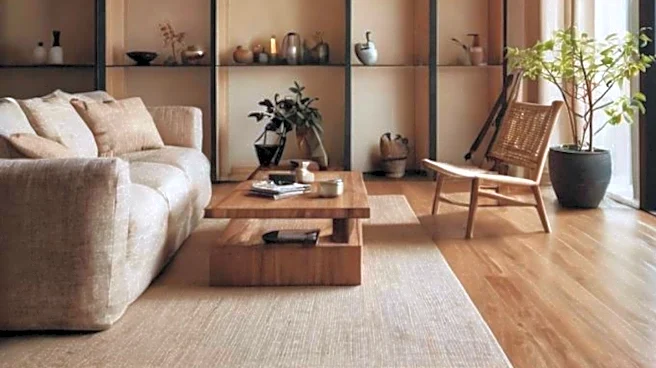
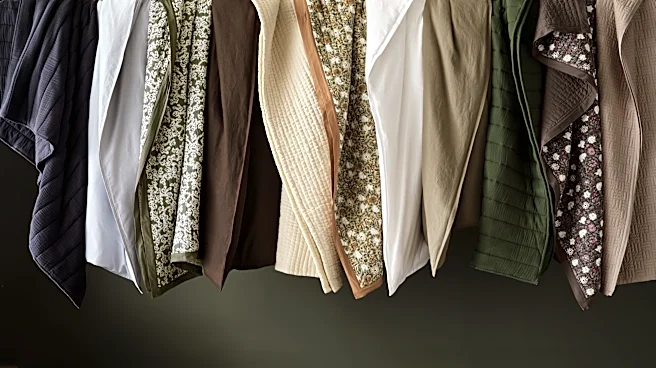
Successfully mixing these two requires a bit of strategy. First, follow the 80/20 rule: let one color dominate the space (about 80%) and use the other as an accent (20%). For example, you might have cool gray walls and a large beige sofa. Or, keep your foundational pieces, like flooring and big furniture, in a consistent undertone (either warm or cool) and introduce the opposite temperature in smaller doses through accents like pillows, throws, or curtains. Texture is also your best friend. The contrast is more pleasing when you mix materials—a warm beige linen sofa against a cool, smooth gray wall, or a charcoal rug on warm wood floors. Finally, you can use a 'bridging' item, like a piece of art or a patterned rug that contains both beige and gray, to tie the whole look together.