

The Rise of Reef-Safe Sunscreen
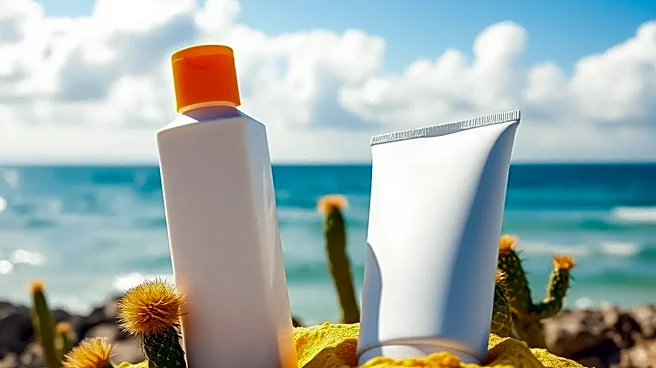
First, let's clarify what "reef-safe" typically means. These sunscreens avoid chemical filters like oxybenzone and octinoxate, which studies have shown can contribute to coral bleaching and harm marine life. Instead, they use mineral ingredients—namely
zinc oxide and titanium dioxide—to form a physical barrier on the skin that reflects UV rays. As destinations from Hawaii to Aruba have banned certain chemical sunscreens, mineral-based options have become the go-to for environmentally conscious consumers. They work immediately upon application, unlike chemical versions that need about 15 minutes to absorb and become effective. This makes them highly practical, but they come with their own set of challenges.
The Pasty Problem with Mineral Formulas
If you've ever tried to rub in a thick, zinc-based sunscreen, you know the struggle. The main complaints are a heavy, tacky feeling and a noticeable white or purplish cast, especially on deeper skin tones. This happens because the mineral particles are designed to sit on top of the skin, not disappear into it. While modern formulations have improved, the chalky finish remains a common issue, often leading people to under-apply the product and reduce their protection. Many users also experience "pilling," where the sunscreen balls up into flakes when layered with other skincare products. This frustration is precisely what the dermatologists' hidden step aims to fix.
The Hidden Step: An Antioxidant Serum
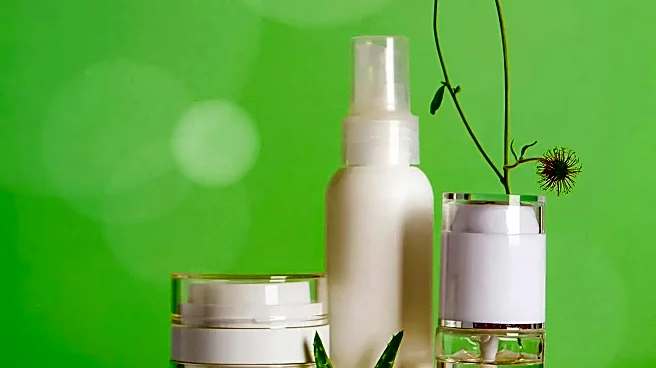
The secret weapon dermatologists recommend layering under your mineral sunscreen is an antioxidant serum. Specifically, a serum rich in Vitamin C, Vitamin E, or ferulic acid is often suggested. This isn't just another product to sell you; it serves a crucial dual function that fundamentally enhances your sun protection routine. While sunscreen blocks the majority of UV rays, it doesn't stop 100% of them. The UV radiation that does get through generates free radicals, which are unstable molecules that damage skin cells, break down collagen, and accelerate aging. Antioxidants work by neutralizing these free radicals before they can cause harm, providing a critical second line of defense that sunscreen alone can't offer.
Better Protection and a Flawless Finish
The benefits of this step are more than just cellular. Applying a serum first creates a hydrated, smooth canvas for the sunscreen. This simple bit of prep work can dramatically improve the way a thick, mineral-based sunscreen glides onto the skin. It allows the formula to spread more evenly and reduces the friction that leads to that dreaded white cast and pilling. By helping the sunscreen blend seamlessly, you're more likely to apply the correct amount—about half a teaspoon for the face and neck—ensuring you get the full SPF value advertised on the bottle. So while the antioxidants are fighting free radicals, they are also helping you achieve a cosmetically elegant finish you'll be happy to wear daily.
How to Do It Right: The 3-Step Process
Incorporating this step is simple, but the order matters. First, after cleansing in the morning, apply a few drops of your chosen antioxidant serum to your face and neck. Popular and effective options include those with L-ascorbic acid (Vitamin C), ferulic acid, and Vitamin E. Second, and this is crucial, wait a few minutes for the serum to fully absorb. If your skin feels tacky, the sunscreen won't apply smoothly. Give it the time it needs to sink in completely. Finally, apply your reef-safe mineral sunscreen. Use a gentle patting or pressing motion rather than aggressive rubbing, which can cause streaks and disrupt the even layer of protection. This simple sequence boosts your defense against sun damage while making your mineral sunscreen far more user-friendly.