






Goodbye to the Geek-Chic Fantasy
To understand where Gucci is going, you have to remember where it’s been. Under Alessandro Michele, who directed the house from 2015 to 2022, Gucci became a cultural phenomenon built on a very specific dream. It was a world of gender-fluid tailoring,
Renaissance-inspired embroidery, and vintage eclecticism. Michele’s Gucci was a haven for the romantic, the intellectual, and the eccentric, layering pussybow blouses with baroque jewelry and making fur-lined slippers a global status symbol. His “more-is-more” philosophy created a universe that was sentimental, heavily referential, and deeply emotional. It wasn’t just about clothes; it was about building a personal mythology. That era, commercially dominant for years, had a language of softness and fantasy.
Enter the Demna Doctrine: Pragmatism and Provocation
Demna, the Georgian designer who transformed Balenciaga into a hub of post-Soviet aesthetics and cultural commentary, is the antithesis of his predecessor. His creative signature, honed at Vetements and Balenciaga, is built on oversized silhouettes, a sense of irony, and an obsession with realism—or what some might call “ugly chic.” His appointment was seen as a shock, a move designed to jolt Gucci out of a sales downturn that followed Michele's departure and a brief, minimalist interlude under Sabato De Sarno. Demna’s language isn't about fantasy; it's about reflecting a chaotic, internet-saturated reality. His debut collections for Gucci suggest he's not abandoning this worldview, but instead translating it for a brand historically rooted in Italian glamour.
The New Uniform: From Costume to Character
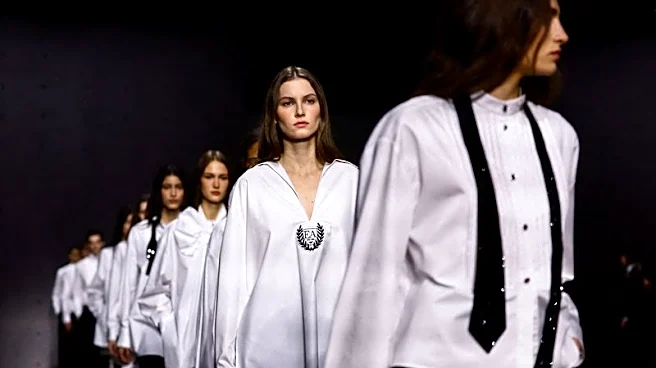
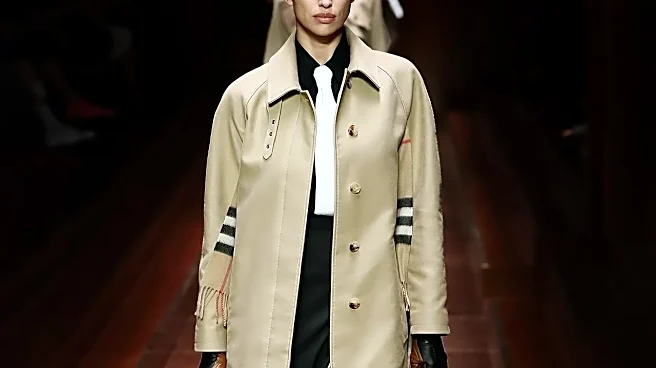
The most immediate change is in the clothing itself. Where Michele offered costumes for a fantasy life, Demna is offering a uniform for a cast of modern characters. His debut lookbook, titled “La Famiglia,” introduced archetypes like “La Bomba” and “La Cattiva,” each with a distinct, exaggerated personality. His runway shows have followed suit, presenting what he calls “GucciCore”—a proposed permanent wardrobe of fundamentals. The silhouettes are sharper and often body-conscious, with nods to the slick sensuality of Tom Ford's Gucci era of the '90s. However, Demna subverts this sexiness with an awkward or mundane edge, presenting shrink-wrapped mini dresses, muscle tees, and low-rise trousers that feel more confrontational than purely seductive. The romantic, flowing layers are gone, replaced by a starker, more pragmatic vision of dressing.
A Different Kind of Status Symbol
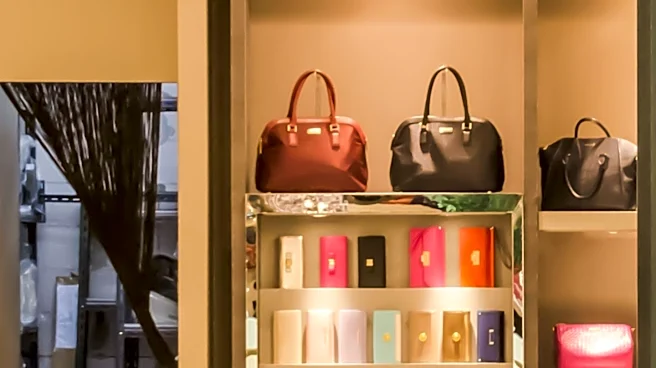
Both designers are masters of the status symbol, but they use them differently. Michele’s Gucci was defined by recognizable, whimsical items like the Dionysus bag and Princetown slipper. Demna’s approach is more conceptual. He’s known for turning mundane items into luxury objects and for his expert use of logos as a form of social commentary. At Gucci, he has already begun reinterpreting house icons like the Bamboo bag and Horsebit loafer, often with a slouched, irreverent posture. This shift is less about owning a beautiful object and more about participating in a cultural conversation. His Times Square cruise show, for instance, featured ads for imaginary products like “Gucci Life” supplements, a satirical take on the brand's all-encompassing power. The status is no longer just in the bag you carry, but in understanding the joke.
So, What Is Gucci Saying Now?
Under Demna, Gucci's fashion language has become more direct, more cynical, and arguably more plugged into the present moment. It speaks to a generation that constructs its identity online, where images are fragmented and nostalgia is a tool. His collections are designed to be seen on a screen, full of visual quotations and character studies that resonate in the endless scroll. Some critics find the new direction uninspired or a rehash of his Balenciaga ideas, calling it a “caricature” of sexiness. Others see it as a necessary and brilliant diagnosis of contemporary culture. The new Gucci is less about a beautiful dream and more about a jarring, hyper-aware reality. It’s a language that swaps romanticism for realism, challenging its audience to see luxury not as an escape, but as a mirror.