








The Anatomy of a Pressure Cooker
What separates a good athlete from a great one often comes down to a single word: clutch. It’s the ability to perform at your best when the stakes are highest. Sports psychologists note that this isn't an accident of biology but a cultivated skill. In
high-pressure situations, the body's 'fight-or-flight' response kicks in, flooding the system with adrenaline. For some, this leads to anxiety and impaired decision-making—a missed free throw, a fumbled catch. But champions learn to harness that surge. They train their brains to filter out distractions, quiet the internal chatter, and focus only on the task at hand. It’s a mental state where preparation meets opportunity, allowing for almost instinctive, automatic actions that can look like magic to the rest of us.
The Serena Blueprint: A Masterclass in Focus
For a case study in mental toughness, look no further than Serena Williams. Her father, Richard Williams, famously taught her that tennis is 70% mental, a philosophy she credits for her unparalleled success. With an astounding 23-6 record in Grand Slam finals, she consistently saved her best for the biggest matches. This wasn't just about her powerful serve or physical dominance; it was about her mind. Serena developed an ability to find a laser-like focus, especially when trailing. She learned to stop worrying about the score or her opponent and concentrate only on winning the next point, one at a time. In moments where others would be consumed by frustration, Serena used that energy, sometimes even drawing fuel from a heckler in the crowd to elevate her game and steamroll to victory.
Knockout Soccer: A Collective Test
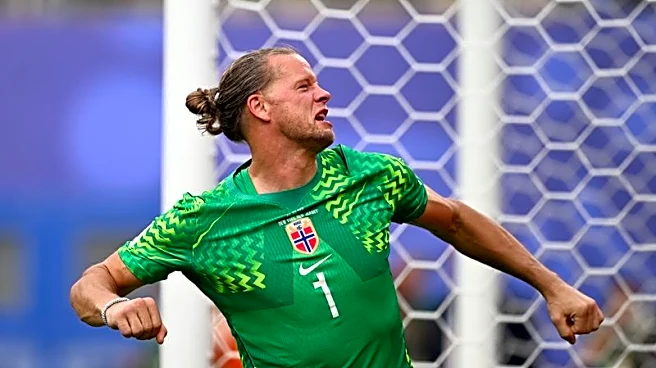
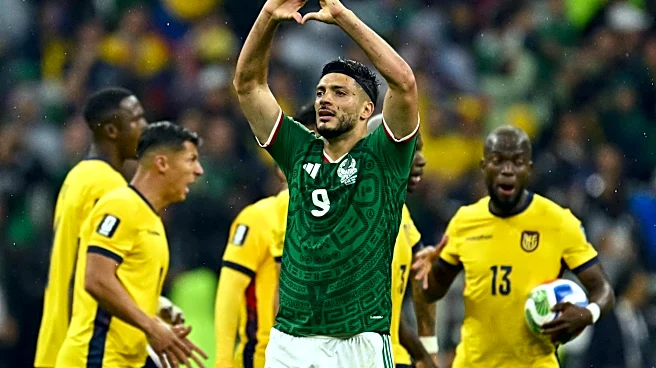
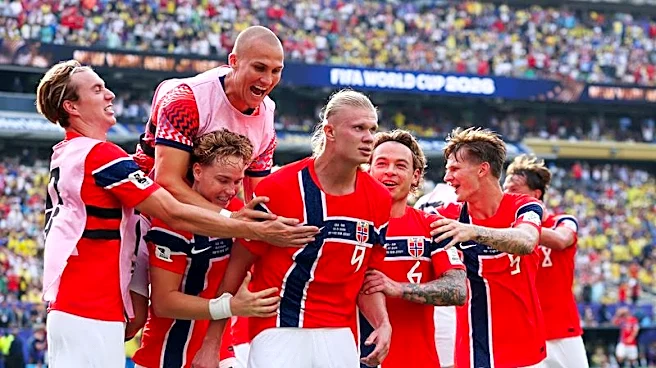
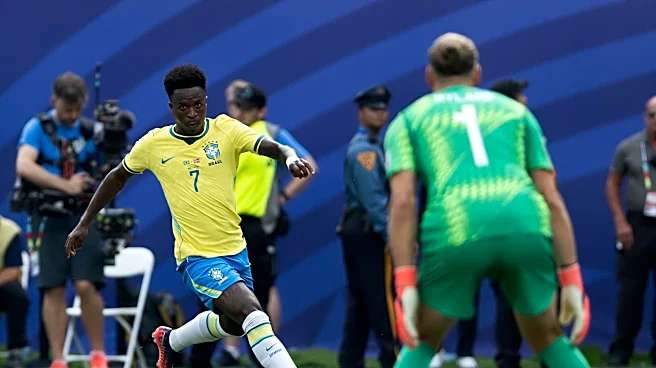
The pressure amplifies in a team sport like soccer, especially during the do-or-die knockout stages of a World Cup. As seen in the thrilling Round of 16 at the 2026 World Cup, a single moment can define a nation's hopes. When Norway stunned Brazil or England edged out Mexico in a high-scoring affair, it was a testament to collective composure. In these games, where one goal can mean the difference between advancing and going home, the mental burden is shared. Players rely on established routines and unwavering trust in their teammates. Interestingly, studies show that in penalty shootouts—perhaps the most intense pressure cooker in all of sports—players who start the game have a significantly higher success rate than substitutes, suggesting that being in the flow of the game builds a unique kind of mental resilience.
The Mind as a Trainable Muscle
The common thread between Serena's dominance and a soccer team's shootout victory is the treatment of the mind as a muscle to be trained. Elite athletes don't just hope for the best; they systematically prepare for pressure. This involves several key techniques. Visualization allows them to mentally rehearse success, strengthening the neural pathways for clutch performance. Positive and instructional self-talk helps maintain confidence and focus on specific actions, rather than the overwhelming outcome. And consistent routines, from the way they prepare for a serve to a pre-game ritual, create a sense of familiarity and control amid chaos. Champions don't possess a magical gene for handling pressure; they embrace a growth mindset, viewing challenges not as threats, but as opportunities to prove their mettle.