









The Birth of a National Ghost
To understand the phenomenon, you have to go back to Brazil, 1950. The host nation needed only a draw against Uruguay in the final match of the World Cup to claim the trophy. The stage was set at the Maracanã stadium, a modern colossus built for the occasion,
packed with an estimated 200,000 expectant Brazilians. Victory was seen as a formality, a coronation for a nation ready to announce itself on the world stage. Then, Uruguay won 2-1. The silence that fell over the stadium was so profound it was given a name: the *Maracanazo* (the Maracanã blow). This wasn't just a loss; it was a national tragedy, an event so scarring that it reshaped Brazilian identity. The team even changed its white kit, deemed unlucky, to the iconic yellow and green worn today. For the next 64 years, every Brazilian team that played at the Maracanã in a high-stakes match did so in the shadow of 1950, carrying the burden of exorcising a ghost born before they were.
When Failure Becomes the Narrative
One loss is an event. Two is a coincidence. Three becomes a pattern—and a story. This is where generational trauma truly takes root. Look at England and penalty shootouts. It began at the 1990 World Cup, a noble semi-final exit to West Germany. But then it happened again at Euro '96, again at the '98 World Cup, and again in 2004, 2006, and 2012. The narrative hardened with each failure. The media obsessed over it. Fans resigned themselves to it. Losing on penalties became an intrinsic part of the English soccer identity. The story was no longer about the 120 minutes of play; it was about the inevitable, agonizing failure from 12 yards. Players who stepped up to take a kick weren't just facing a goalkeeper; they were facing decades of accumulated history, pressure, and fatalism. This is how a specific type of loss becomes a self-fulfilling prophecy, a cultural script that everyone, from commentators to the players themselves, feels compelled to follow.
Carrying the Weight of History
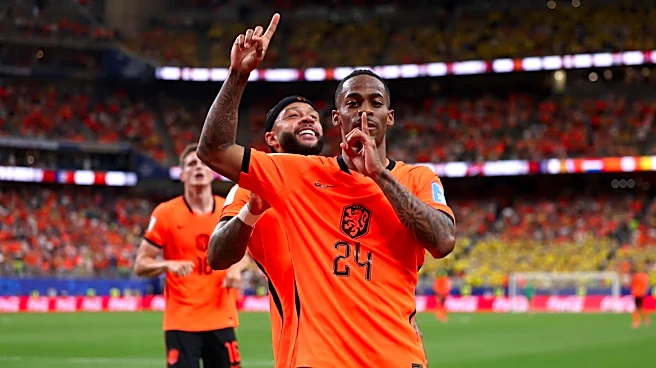
For the players, the burden is immense. They are constantly asked by journalists about losses that happened when they were children, or before they were even born. They are expected to answer for the failures of their predecessors. The Netherlands provides a perfect example. Their revolutionary “Total Football” teams of 1974 and 1978 reached two consecutive World Cup finals and lost both, creating a narrative of being brilliant but ultimately brittle. For years, every talented Dutch side that followed was measured against that standard: could they finally win the one that mattered, or would they be beautiful losers once again? This weight alters the dynamic of a tournament. A team isn't just playing its opponent; it's playing against its own history, its own national stereotype. The pressure shifts from winning a soccer match to rewriting a national saga, an impossibly heavy task for 11 players on a field.
The Catharsis of Breaking the Curse
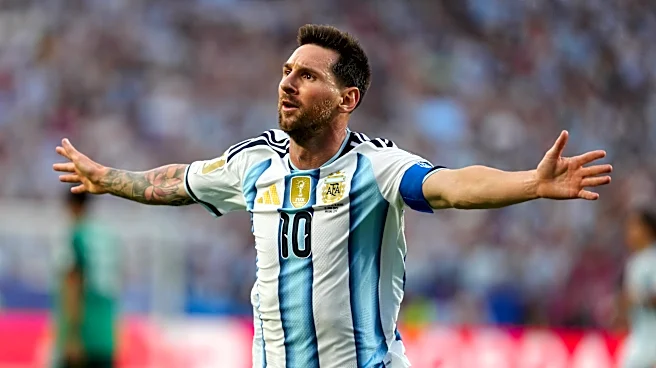
The only thing more powerful than the creation of a ghost is the moment it’s finally banished. The collective release is profound. When England finally won a World Cup penalty shootout against Colombia in 2018, the celebration wasn’t just about advancing to the quarter-finals; it was about shedding 28 years of accumulated dread. The same was true for Lionel Messi and Argentina in 2022. While not a single knockout curse, the national burden of failing to win the World Cup since the Maradona era had hung over Messi for his entire career. His team’s triumph wasn’t just a victory; it was a national redemption, a lifting of a weight that had crushed generation after generation of talented Argentinian players. These moments of catharsis prove the power of the curse itself. The sheer, unadulterated joy that comes from finally breaking the pattern shows just how deeply the fear of repeating it had been felt.