






More Than Just Brown M&M's
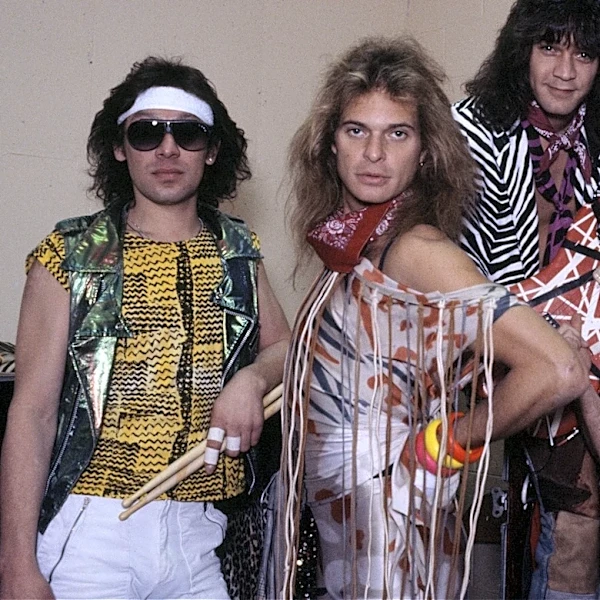
The most famous rider clause in history is Van Halen's demand for a bowl of M&M's with all the brown ones removed. For years, it was the poster child for rockstar excess. But as singer David Lee Roth later explained, it was actually an ingenious quality
control test. The band's stage production was massive and complex for its time, with specific weight and electrical requirements. If the local promoter failed to handle the simple M&M request, the band rightly assumed they hadn't read the crucial technical and safety specifications either. This story cuts to the heart of what artist riders are really about: they are legally binding documents covering technical needs first and hospitality second. The hospitality section isn't just a wish list; it's a tool to ensure a baseline of comfort and predictability in the chaotic life of a touring musician.
The Anatomy of a Rider
A hospitality rider typically covers the essentials that allow an artist and their crew to function. This starts with the dressing room or green room. The goal is to create a calm, private, and functional sanctuary. Key elements include comfortable seating, adequate lighting (avoiding harsh fluorescents), mirrors, and private restrooms. A quiet atmosphere, free from backstage noise, is crucial for an artist to mentally prepare for a show. Food and beverage requests are also central. Beyond specific snack brands, this is about ensuring dietary needs and allergies are respected. For a singer, having specific types of tea and honey isn't a luxury; it's a professional tool to care for their voice. For a full touring party that has been on a bus for eight hours, having a hot, healthy meal waiting at the venue is a logistical necessity.
The Human Element
A perfect rider fulfilled in an empty, sterile room can still miss the mark. The most underrated aspect of artist hospitality is the human touch. This is the job of the venue's artist liaison or a dedicated green room attendant. Their role goes beyond stocking drinks. A warm, personal welcome, a quick tour of the facilities, and being a single point of contact for any issues can set a positive tone for the entire day. This person anticipates needs, solves problems, and ensures the artist feels respected and cared for. A tour manager's day is a frantic race against the clock, dealing with travel logistics, sound checks, and press obligations. Knowing a professional is handling the backstage experience allows the tour manager and artist to focus on the performance.
The Payoff for Getting It Right
For venues and promoters, excellent hospitality is not a cost center; it's an investment with a clear return. An artist who feels comfortable, safe, and supported is more likely to deliver a stellar performance. The energy and focus they might have spent worrying about a chaotic backstage area can instead be directed toward the audience. This positive experience builds a venue's reputation. Tour managers and booking agents are a tight-knit community, and word gets around quickly about which venues are great to work with and which are a nightmare. A venue known for its outstanding hospitality will find it easier to book top-tier talent in the future. In the end, a happy artist leads to a happy audience, and that is the ultimate goal of any live event.