



Argentina: The Unapologetic Champions
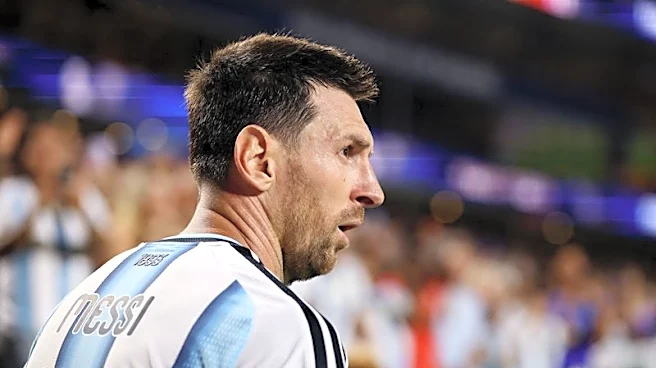
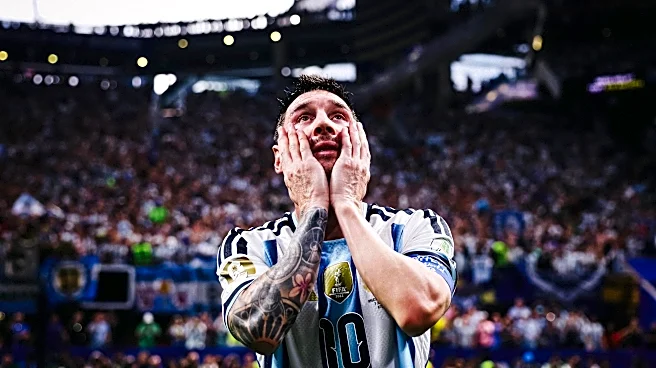
The defending champions entered the 2026 tournament ranked number one in the world and have played like it. But it's their style, a ferocious blend of technical brilliance and unapologetic gamesmanship, that solidifies their role as prime antagonists.
Their reputation for confrontational play and fan arrogance precedes them. This tournament has only amplified that narrative, particularly in their dramatic 3-2 comeback win over Egypt in the Round of 16. The match was a storm of controversy, featuring a disallowed Egyptian goal and a denied penalty appeal that led to Egypt's coach, Hossam Hassan, accusing officials of rigging the cup for Argentina. Whether it’s calculated theatrics or pure passion, Argentina’s win-at-all-costs mentality makes them a team everyone has an opinion on—and for their opponents, they are the perfect villain.
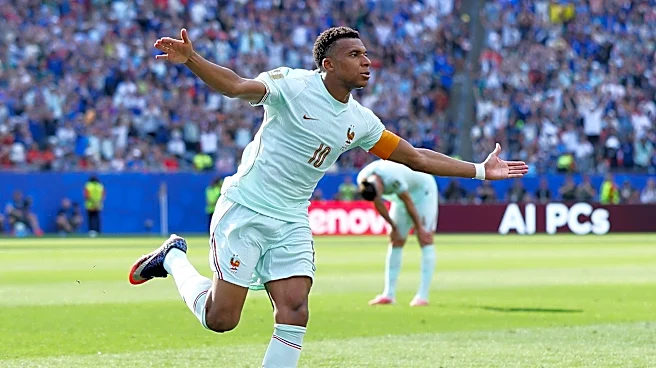
Kylian Mbappé: The Inevitable Superstar
At 27, Kylian Mbappé is no longer a rising star; he is a dominant force, the captain of a French team seeking a third consecutive World Cup final. His talent is so immense that he often seems unstoppable, a reality that naturally breeds resentment from rival fans. He's already scored eight goals in this tournament, putting him in contention for another Golden Boot and placing him just two goals shy of the all-time World Cup scoring record. While he has embraced a leadership role, urging humility from his team, his sheer dominance can feel like an empire that neutrals are desperate to see fall. Every goal, every blistering run, reinforces his status as the tournament's final boss. Defeating France doesn't just mean beating a team; it means toppling a king.
VAR: The Unfeeling Eye in the Sky
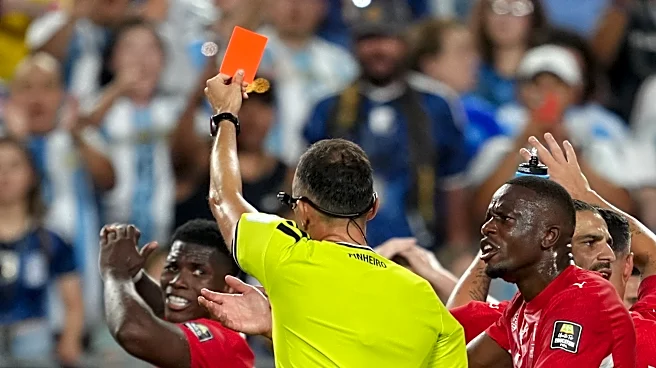
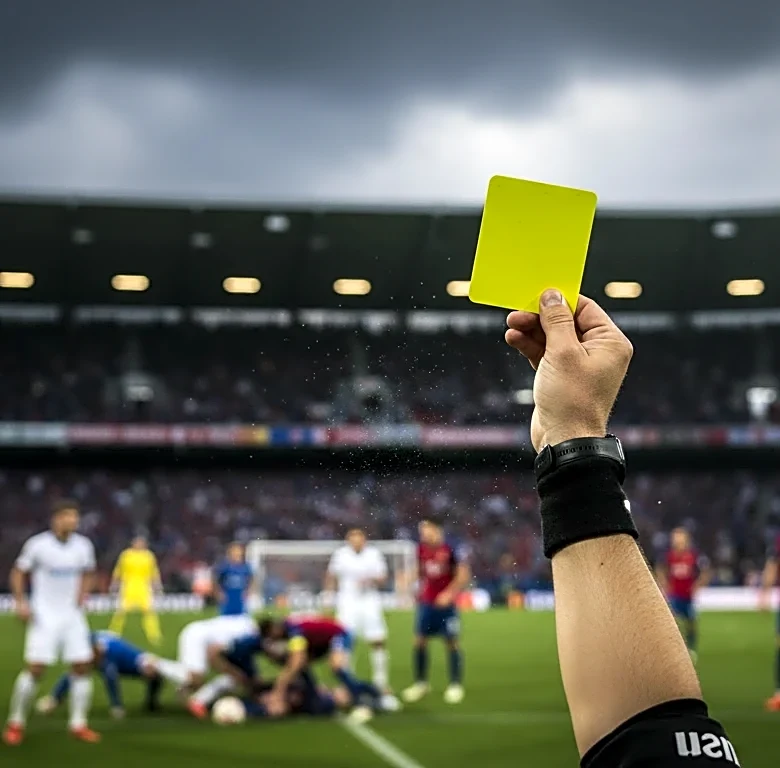
Perhaps the most hated character at the 2026 World Cup isn't a player at all, but the technology that governs the game. The Video Assistant Referee (VAR) was designed to eliminate errors, but for many fans, it has only replaced human mistakes with passionless, microscopic interventions that kill the sport's momentum. This tournament has been rife with VAR controversies, from disallowed goals that decided knockout games to mystifying red cards. Croatia was sent home after a VAR review ruled out a stoppage-time equalizer against Portugal for a barely perceptible offside touch. Germany was eliminated after a goal was disallowed for a faint shove on the opposing goalkeeper. The constant stoppages and the feeling that goals are provisional have made VAR a universal villain—a character every fan, regardless of allegiance, can agree to hate.
England: The Self-Made Antagonist
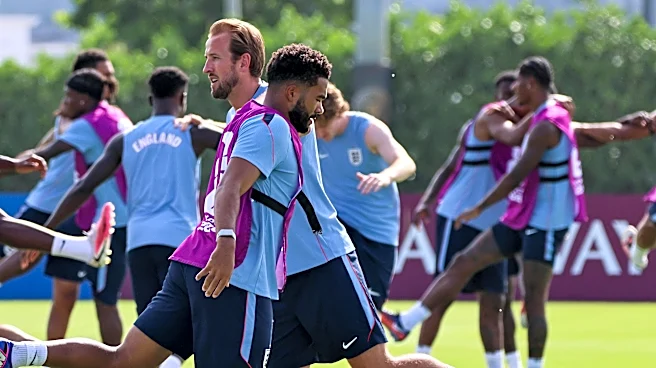
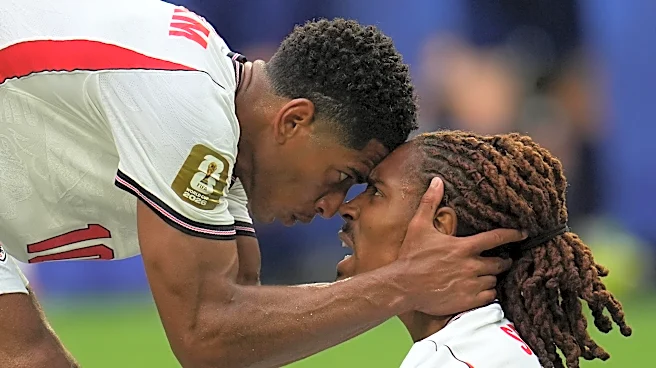
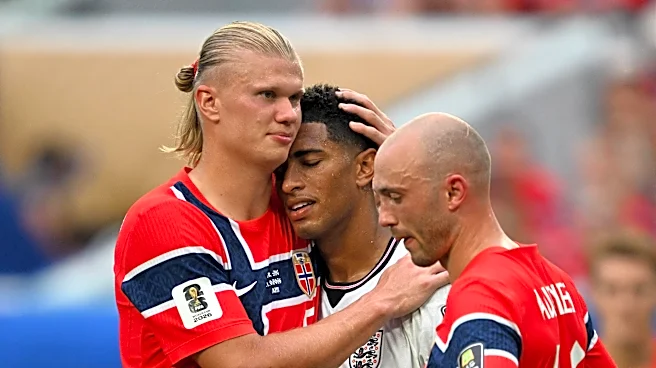
England's villainy isn't born of malice but of pressure. With a squad overflowing with attacking talent and a 60-year trophy drought haunting them, the expectation is immense. This creates a unique narrative where they are their own worst enemy. Pundits and rivals, like Norway's Erling Haaland, have delighted in piling on the pressure, claiming England are the clear favorites who have everything to lose. Under manager Thomas Tuchel, the team has adopted a more controlled, sometimes cautious style, prioritizing stability over the chaos their talent could unleash. This pragmatic approach, combined with the crushing weight of history, sets them up as a tragic villain: a team so desperate not to fail that they can be goaded into conservative play, making them a frustrating and beatable giant.
FIFA Itself: The Puppet Master
Beyond the pitch, a narrative has emerged casting the governing body of football as the ultimate villain. Several decisions have led fans and even teams to question the tournament's integrity. The most glaring controversy involved the suspension of a one-match ban for US forward Folarin Balogun, a move that came after his red card against Bosnia-Herzegovina. The reversal of the ban ignited accusations of political influence. Combined with sky-high ticket prices that critics say have priced out ordinary fans and refereeing decisions that seem to favor marquee teams, a powerful storyline has taken hold: that the game is being manipulated from the top down. In this arc, the players are merely actors in a drama scripted by FIFA.