





The Weir Standard of Science
Mention a book by Andy Weir, and most people immediately think of one thing: science. Hard, meticulously researched, problem-solving science. After The Martian turned botanical chemistry and orbital mechanics into a blockbuster thriller, Weir solidified
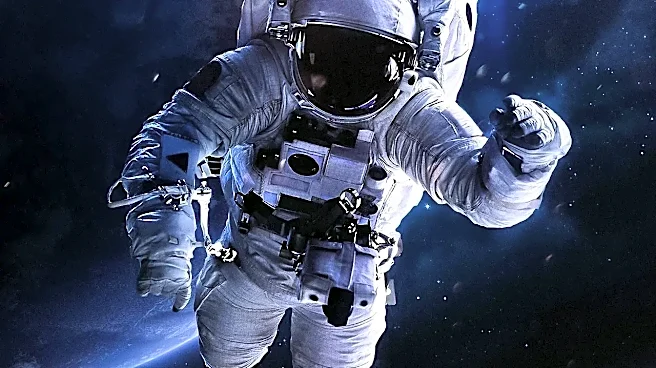
his reputation as the king of competence-driven sci-fi. Project Hail Mary certainly delivers on that front. The novel is packed with astrophysics, xenobiology, and engineering puzzles. Protagonist Ryland Grace, a former scientist turned schoolteacher, must unravel an extinction-level threat by investigating alien microorganisms and navigating relativistic spaceflight. The book proudly wears its scientific credentials on its sleeve, celebrating ingenuity and the scientific method as tools for survival. It's the kind of story that makes you feel smarter just by reading it, reinforcing the very reputation the headline suggests.
A Friendship Forged in a Vacuum
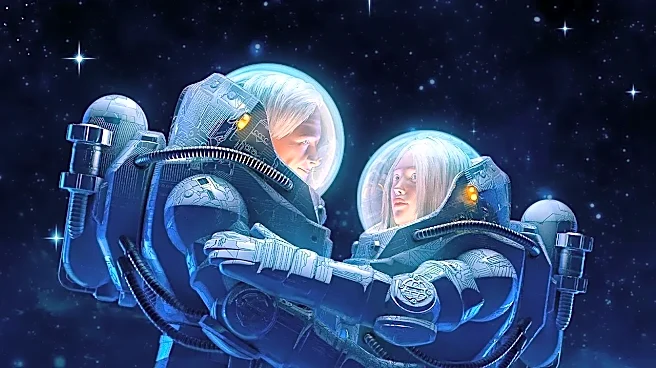
But a quarter of the way through the book, something happens that transforms it from a story about lonely survival into something much richer. Ryland Grace discovers he's not alone. He encounters Rocky, an alien engineer from a different star system facing a similar existential threat. What follows is one of modern fiction's most touching and unconventional friendships. Their relationship, built across an immense biological and linguistic divide, becomes the story's undeniable heart. They learn to communicate through music and math, share discoveries, and develop a bond based on mutual respect and genuine companionship. The novel's focus shifts from just solving the mission to the dynamics of their partnership. Suddenly, the stakes aren't just about saving Earth; they're about protecting a friend.
More Than Just a Problem Solver
While the friendship with Rocky is the most obvious source of emotion, Ryland Grace's personal journey provides its own deep well of feeling. He wakes up with amnesia, isolated and unsure of his own identity. Through flashbacks, we learn he wasn't a gung-ho hero but a reluctant participant, a man who initially ran from the responsibility of the mission. His journey is not just about remembering facts; it's about confronting his past cowardice and redefining his purpose. He evolves from a man consumed by his own perceived inadequacies into someone willing to make the ultimate sacrifice. This internal conflict—between fear and duty, self-preservation and heroism—gives his scientific triumphs a human weight they wouldn't otherwise possess. The story is as much about him becoming a better man as it is about him saving mankind.
The Weight of Two Worlds
Ultimately, the science in Project Hail Mary serves as the stage for a deeply emotional play about sacrifice. The climax isn't just about finding a scientific solution; it's about the wrenching choices Grace must make. He is faced with a dilemma: ensure Earth's survival or save his new friend and his friend's entire species. The book's most powerful moments come from these moral decisions. Rocky nearly dies to save Ryland, and later, Ryland makes a choice that prioritizes his connection to his alien friend over his own return home. This theme of sacrifice for something greater—not just for humanity as an abstract concept, but for a single, cherished individual—is what elevates the story. The science creates the problems, but love, friendship, and empathy provide the solutions that truly matter.