


The Black Mecca of Festivals
Before you can understand the digital commentary, you have to appreciate the main event. The Essence Festival of Culture is far more than a music festival; it's a cultural pilgrimage. [10, 11] Started in 1995 to celebrate the 25th anniversary of Essence magazine,
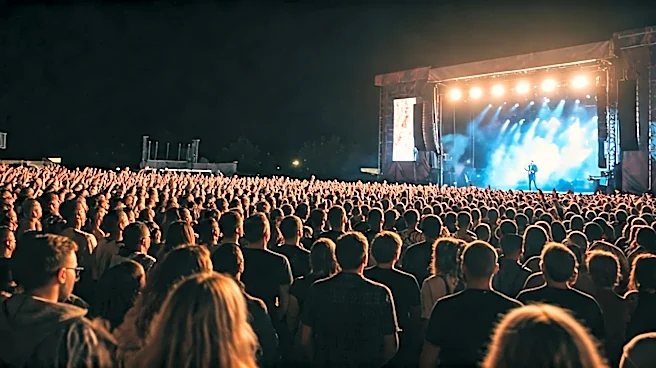
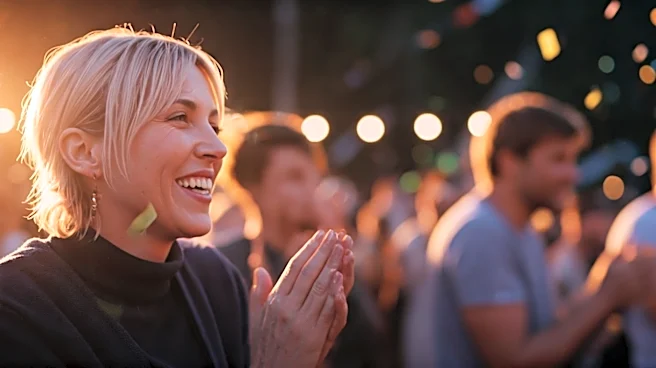
it has evolved into the largest celebration of Black culture and music in the U.S. [4, 6] By day, the convention center buzzes with free panels on everything from entrepreneurship to wellness, featuring major figures in politics and culture. [1, 14] By night, the Caesars Superdome hosts a lineup of music legends and current chart-toppers. [3] This year's festival, for instance, features icons like Patti LaBelle and George Clinton alongside contemporary stars like Cardi B and Kehlani. [16] It’s a multi-generational “party with a purpose,” a space for connection, joy, and the celebration of Black excellence that feels both monumental and like a family reunion. [1, 4]
The Unofficial Digital Stage
Now, enter Black Twitter. It's not a separate app, but a vibrant, amorphous community of users who have created a powerful cultural force on the platform now known as X. [7, 12] It's a space that functions as a real-time town hall, a cultural archive, and a masterclass in comedic timing. [23] This is the community that can launch a hashtag like #OscarsSoWhite into a global conversation, dictate the trajectory of pop culture trends, and create entire narrative sagas from a single thread. [22, 24] Black Twitter’s influence is so undeniable that it has been the subject of documentaries and academic study, recognized for its ability to drive culture and social change. [8, 13] It's a community that doesn’t just consume culture; it actively remixes, critiques, and co-creates it in public.
Pitching Jokes and Punchlines in Real Time
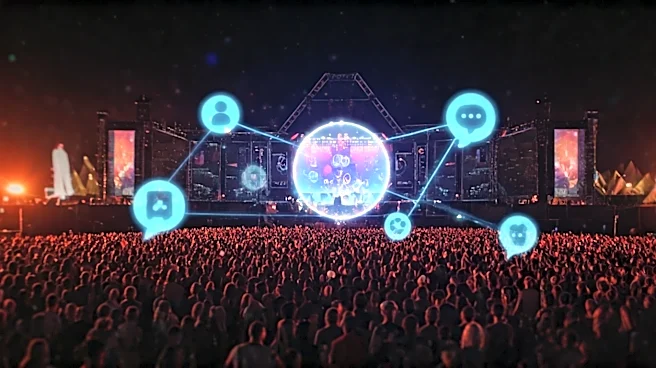
When Essence Fest kicks off, Black Twitter becomes its unofficial, and often more entertaining, second stage. The “writers’ room” metaphor is apt because the commentary functions like a team of comedy writers brainstorming on a script. Is a legacy R&B singer’s voice not hitting the notes like it used to? A thousand jokes and memes are drafted in minutes. Is a headliner’s outfit a showstopper or a disaster? The digital fashion police are on the case, issuing hilarious, often brutal, verdicts. The live-tweeting of performances, panels, and even the outfits of attendees in the background of news reports becomes a sport. [8] It’s a rapid-fire exchange of punchlines, inside jokes, and cultural references that creates a shared viewing experience for those in New Orleans and those watching from home. [20]
Crafting the Narrative, Scene by Scene
But the writers' room goes deeper than just jokes. It's also about collaborative storytelling and accountability. Users collectively decide the “characters” and “plot points” of the festival. A standout performance is elevated to legendary status. A surprise guest becomes the weekend’s hero. Conversely, logistical failures or moments that feel inauthentic are scrutinized. In past years, online discourse has called attention to everything from how local New Orleans businesses treat festival-goers to broader shifts in the festival's focus. [6, 21, 26] This collective critique ensures the event is held to the standard its community expects. Black Twitter acts as the festival’s memory, shaping the official story of what happened, what mattered, and why. The funniest memes, sharpest critiques, and most poignant observations are amplified, forming the definitive narrative of that year's Essence Fest.