






An Attack on the Senses
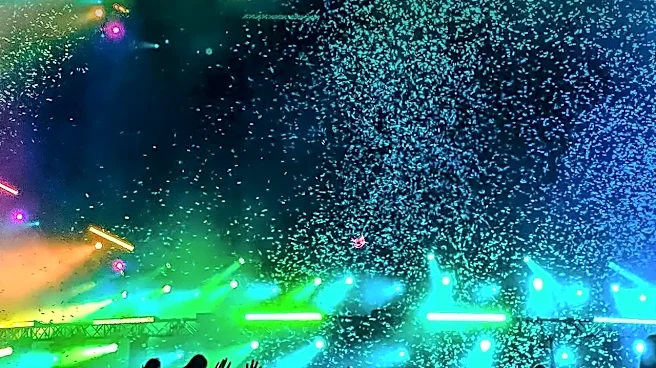
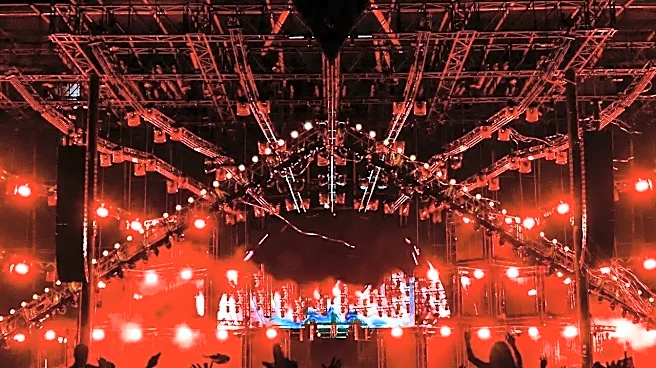
First, let's be clear: Burning Man is an intentional sensory overload. It's designed to be overwhelming. Imagine five different electronic music sets bleeding into each other as a 40-foot-tall metal octopus shoots flames into the sky. Thousands of people,
adorned in everything from elaborate costumes to nothing at all, bike past you, their wheels and bodies glowing with LEDs. The sun is relentless during the day, the fine alkaline dust gets everywhere, and the noise almost never stops. This environment is a constant barrage of stimuli. There is no quiet corner office, no neatly scheduled lunch break, no familiar commute. For a first-timer, and even for veterans, the sheer scale of the experience can be exhausting and disorienting. It's a place that pushes you past your normal sensory limits by design.
Breaking Down the 'Default World'
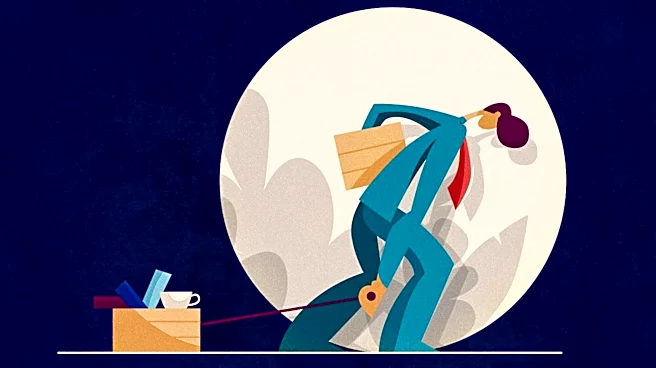
So, why would anyone subject themselves to this? Because the sensory overload has a profound psychological effect. It systematically dismantles the routines and social scripts we rely on in the “default world.” There's no money, so you can’t buy your way out of a situation or into a conversation. The principles of radical self-reliance and radical self-expression encourage a different kind of interaction. When you’re stripped of your job title, your usual social crutches, and your ability to retreat into a predictable environment, something else has to take their place. The constant sensory input effectively shorts out the part of your brain that's usually worried about social judgment. After a day or two, you stop caring if your outfit is weird because someone else's is always weirder. You stop being surprised by the unexpected because everything is unexpected.
Finding Signal in the Noise
This is where the magic happens. Once your external defenses are down and your senses are saturated, you become surprisingly open. The overstimulation creates a unique kind of presence. With no cell service to distract you and your brain too busy processing the chaos to worry about small talk, you're forced into the principle of immediacy. It's in this state that profound connections are forged. The intimacy at Burning Man rarely happens at the giant sound stages; it happens in the spaces in between. It’s the stranger who offers you a cold water when you look thirsty, no questions asked. It’s the quiet, vulnerable conversation with a new friend while watching the sunrise over the desert. It's stumbling upon a tiny, intricate art piece that only seats two people, offering a brief respite from the madness. These micro-moments feel incredibly potent because they are a shared, human signal found amidst an overwhelming amount of noise.
The Catalyst, Not the Contradiction
Veteran Burners often report that these moments of connection feel more real and transformative than interactions in their everyday lives. Psychologists who have studied the event note that these experiences can lead to a lasting increased feeling of connection to humanity as a whole. The key is understanding that the overstimulation isn't a contradiction to the intimacy—it's the catalyst for it. The event pushes you to a point of surrender. You can't control the environment, you can't possibly see everything, and you can't maintain your usual social armor. By letting go, you become available for a different kind of experience: one that is raw, immediate, and deeply human. Two people sharing a moment of quiet awe as a massive wooden temple burns in silence is an experience made more profound by the week of relentless noise that preceded it.