






The Billion-Dollar Red Carpet
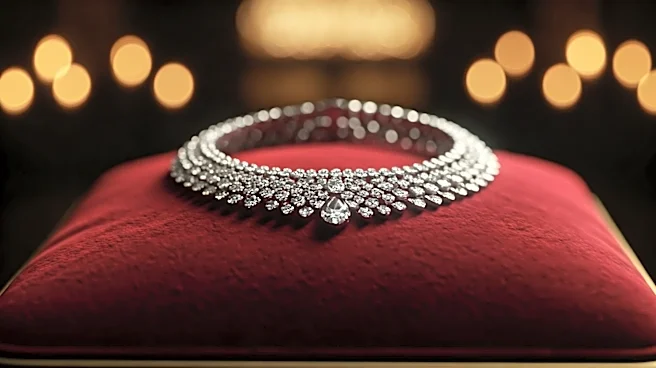
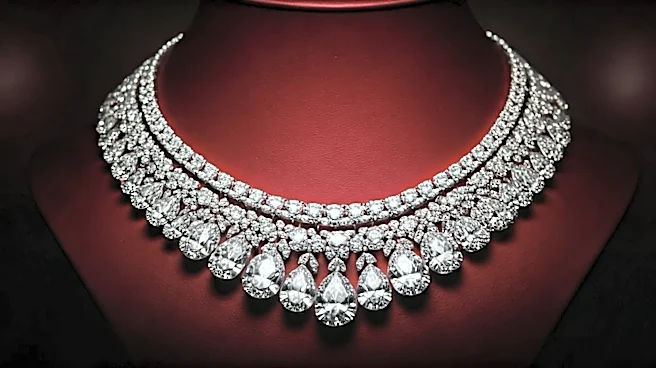
The Cannes Film Festival isn’t just about movies; it's one of the world's most significant showcases for high jewelry. Luxury houses like Chopard (an official festival partner), Cartier, and Bulgari lend breathtaking, often priceless, necklaces, earrings, and bracelets to A-list celebrities. A single actress might wear a suite of jewels valued at over $20 million for one evening. This tradition turns the *montée des marches*—the famous red-carpeted stairs of the Palais des Festivals—into a glittering, open-air vault. For jewelers, the publicity is invaluable. For celebrities, it’s the ultimate accessory. But for security teams, it’s two weeks of white-knuckle tension, because the French Riviera has a long and storied history of attracting the world’s
most audacious thieves.
A History of Brazen Heists
To understand the intense security, you have to understand the threat. The Côte d'Azur is a playground for the rich, making it a hunting ground for sophisticated criminal gangs. The most infamous are the 'Pink Panthers,' an international network of jewel thieves known for their meticulous planning and movie-like execution. In 2013, Cannes experienced a string of heists that put Hollywood to shame. In one incident, thieves ripped a safe from the wall of a Novotel hotel room, making off with over $1 million in Chopard jewelry intended for celebrities. Just days later, in a stunningly bold daylight robbery, a lone gunman walked into an exhibition at the Carlton Hotel, filled a briefcase with an estimated $136 million in diamonds, and simply walked away. This history isn't ancient; it’s a constant, lingering threat that informs every single security decision made at the festival today.
Inside 'Operation Fort Knox'
The security protocol surrounding Cannes jewelry is a masterclass in modern paranoia. It’s a multi-layered system that begins long before the jewels reach the Riviera. Pieces are often transported in unassuming armored vehicles with decoys and multiple routes. Once at Cannes, they are stored in hotel-room safes so heavy they can’t be ripped from the wall, guarded 24/7 by plain-clothed security, many of whom are ex-military or special forces. The jewelers bring their own private teams, who coordinate with an increased presence of French national police and local gendarmes patrolling the Croisette. Every piece is GPS-tracked. When a celebrity wears a piece, they are flanked by discreet bodyguards whose only job is to watch the jewelry. The star and their publicist are given strict rules: no unauthorized detours, no taking the jewels to after-parties without clearance, and an immediate return to the safe post-event. It's less of a loan and more of a meticulously choreographed, high-stakes custody arrangement.
The Human Cost of Glamour
What everyone truly forgets is the immense pressure on the people involved. For the guards, it’s a high-stress, zero-error job where a moment’s distraction could lead to an international incident and a career-ending failure. For the celebrity publicists and stylists, they become temporary custodians of a fortune, responsible for its every movement. There are countless stories of publicists sleeping in front of a hotel safe or a celebrity being forbidden from hugging someone too enthusiastically for fear a clasp might break. Even the stars feel it. The thrill of wearing a historic diamond is tempered by the knowledge that they are a moving target, constantly watched not just by photographers but by the shadowy figures tasked with protecting the assets they are wearing. The sparkle comes with a heavy weight, both literally and figuratively.