
Lesson 1: Build a Narrative, Don't Just Play the Hits
A typical festival set often feels like a human Spotify playlist: a string of popular songs delivered with high energy. It works, but it's not unforgettable. Beyoncé’s approach is fundamentally different.
Her concerts, like the epic Renaissance World Tour, are structured as theatrical acts. Each section has its own theme, color palette, and emotional temperature, creating a cohesive journey. From the opening ballad segment to the high-concept 'Opulence' act, the show tells a story. For a Lollapalooza headliner, this doesn't mean they need a plot, but it does mean thinking about the set's emotional arc. Instead of just hitting the crowd with banger after banger until they're exhausted, an artist can create distinct moods, guiding the audience through different feelings and leaving them with a more profound experience.
Lesson 2: Master the Art of the Interlude
One of the most underrated elements of a Beyoncé show is what happens when she isn't on stage. Her video interludes are not just glorified costume-change breaks; they are essential parts of the narrative. These cinematic pieces deepen the show's themes, showcase stunning visuals, and, crucially, manage the crowd's energy. They give the audience a moment to breathe and reset before the next act begins with renewed intensity. Festival sets are often plagued by dead air—awkward pauses, lengthy gear changes, or rambling banter. A well-produced, 60-second visual or musical interlude can maintain the professional sheen, hold the audience's attention, and make the entire performance feel more intentional and polished. It’s about controlling every second of your allotted time, a key aspect of Beyoncé’s perfectionism.
Lesson 3: Every Visual Tells a Story
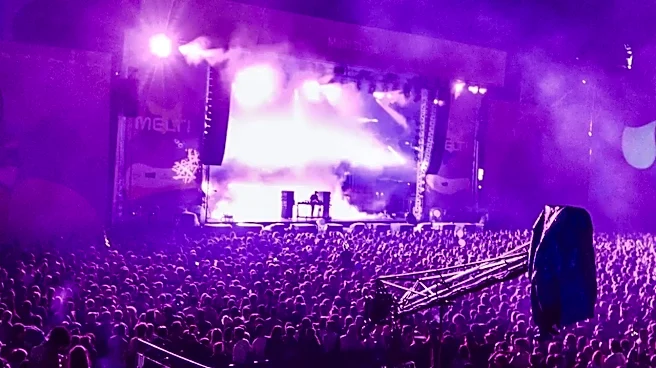
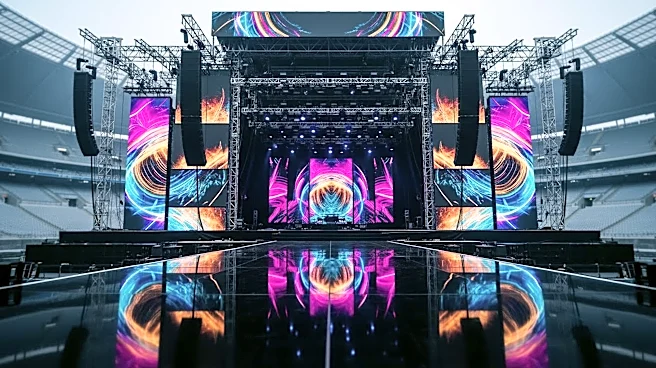
With Beyoncé, nothing is just for decoration. Every costume, prop, and piece of choreography serves the show's grander vision. The Renaissance tour famously used robotic arms, a giant disco horse, and a military-style tank not as random gimmicks, but as extensions of the Afrofuturist and ballroom-culture themes. Headliners at Lollapalooza perform on massive stages to crowds stretching far into the distance; what they do visually is just as important as what they play. Many acts rely on generic background visuals that have little connection to the music. The lesson from Beyoncé is to integrate every element. The lighting, the screen content, and the outfits should all work together to amplify the music's message and create a distinct, memorable world for 90 minutes.
Lesson 4: Treat the Show Like an Athletic Event
Beyoncé's stamina is legendary, a result of famously rigorous training that once involved running while singing. In a 2013 interview, she said she approaches her shows like an athlete, studying tapes of her own performances to identify flaws and areas for improvement. This athletic discipline ensures that even with intense choreography, her vocals rarely falter. This level of preparation is what separates a good performance from a great one. While many festival artists are fantastic musicians, the headlining slot demands next-level endurance. Audience members, who have been standing in a field all day, can spot a performer who is losing steam. By prioritizing physical and vocal conditioning, headliners can ensure they have the power and control to command the stage from the first note to the last, just as an athlete owns the field in the final quarter.
Lesson 5: Unify the Entire Stage
A Beyoncé show is never just about Beyoncé. Her dancers, her band, and her backup singers are all integral characters in the performance. They get moments to shine, their movements are synchronized with hers, and they operate as a single, cohesive unit. This creates a powerful sense of community and visual dynamism on stage. At a festival, it's easy for the performance to feel centered solely on the lead singer, with the band relegated to the background. By incorporating the entire ensemble into the show's choreography and narrative, a headliner can create a richer, more visually compelling spectacle. It transforms the performance from a solo act into a full-fledged production, giving the audience more to watch and making the entire stage feel alive.