
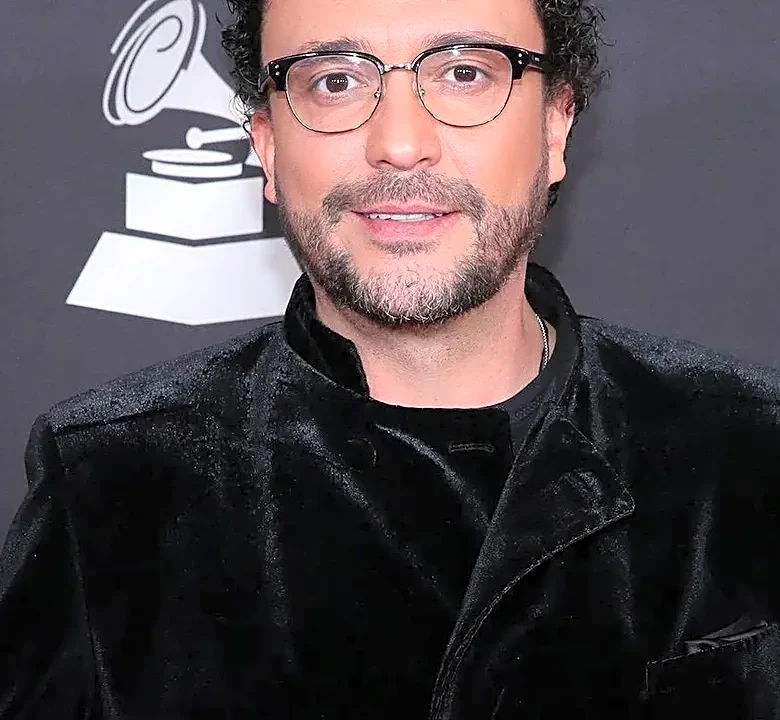
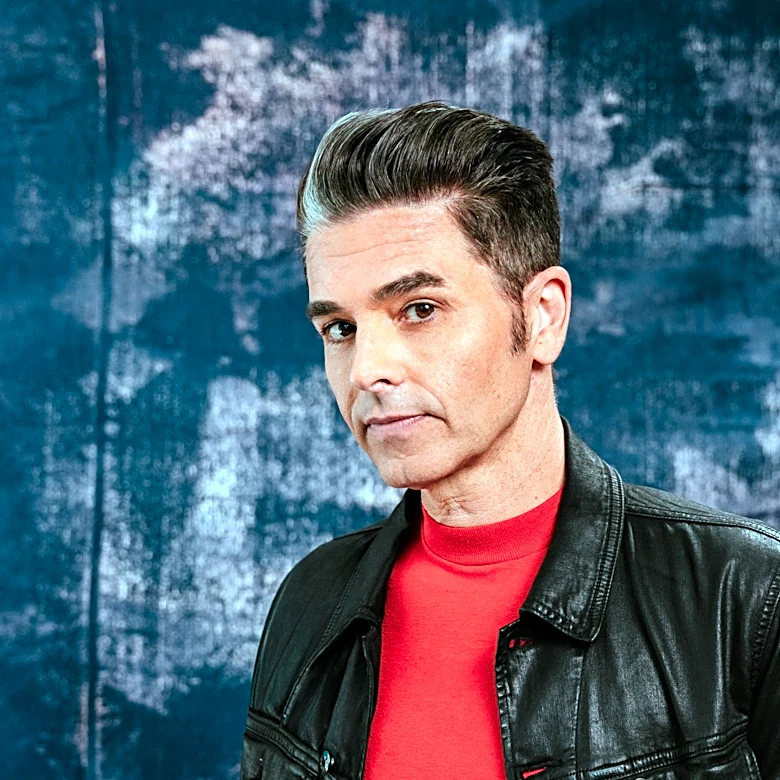


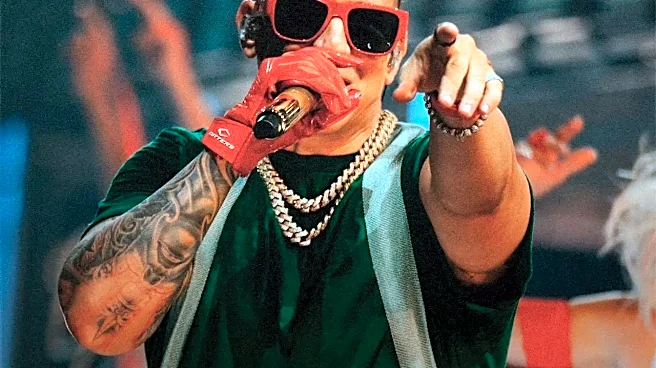
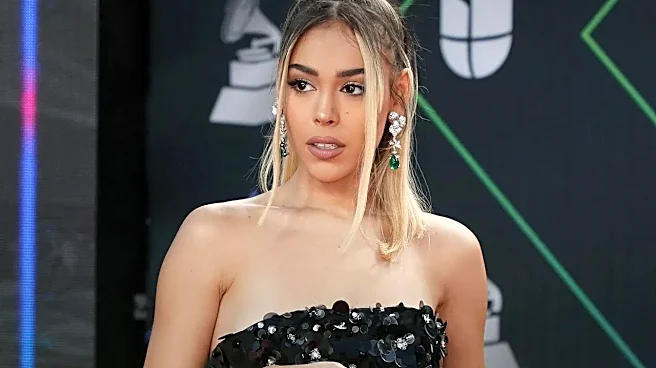
When the Latin Recording Academy names Daddy Yankee its 2026 Person of the Year, it’s more than just another trophy. It’s a formal recognition that brings a pioneering, three-decade career to a perfect, circular close.
The Birth of a Genre
Before he was the ‘King of Reggaeton’,
Ramón Ayala was a teenager in the barrios of San Juan, Puerto Rico, with dreams of playing professional baseball. A stray bullet ended that dream, but it pivoted him toward music. In the early 1990s, he became a key figure in an underground scene that was mixing hip-hop, dancehall, and Caribbean sounds into a new, raw energy. This nascent genre, which he is often credited with naming ‘reggaeton’, was criticized and marginalized. Yet, Ayala persisted, releasing independent projects that built his reputation and laid the groundwork for a global movement. This was the starting point: an artist forging an identity from the ground up, with a sound that few outside his community understood or respected.
The ‘Gasolina’ Explosion
The year 2004 changed everything. The release of the album ‘Barrio Fino’ and its lead single, ‘Gasolina’, was a cultural detonation. The track was inescapable, breaking through language barriers and introducing reggaeton to a worldwide audience. ‘Gasolina’ wasn’t just a hit; it was an inflection point for Latin music, proving that a song entirely in Spanish could dominate global charts and become a pop culture phenomenon. Suddenly, the artist from the Puerto Rican underground was an international star, and the genre that was once dismissed became the hottest sound on the planet. This moment transformed him from a pioneer into a global ambassador.
An Enduring Global Force
Many artists would have been content with a hit as monumental as ‘Gasolina’, but Daddy Yankee proved to be a master of longevity. He continued to release hits, but his career found a second, massive peak in 2017 with ‘Despacito’. The collaboration with Luis Fonsi became one of the most-streamed songs in history, lodging itself at the top of the Billboard Hot 100 for a record-tying 16 weeks. This second wave of global dominance cemented his status not just as a pioneer, but as an enduring icon who could shape pop music again and again. He became a role model for a new generation of Latin urban artists—like Bad Bunny, J Balvin, and Ozuna—who saw him as the blueprint for global success.
The ‘Legendaddy’ Farewell
In 2022, after a remarkable 32nd year run, Daddy Yankee announced his retirement from music, but not before one final statement: the album ‘Legendaddy’. Intended as his farewell project, the album was a celebration of his entire career, blending classic reggaeton with modern trap, salsa, and electronic sounds. The accompanying tour, ‘La Última Vuelta’ (The Last Turn), was a victory lap that sold out stadiums worldwide. By choosing to retire at the height of his relevance, he wasn't fading away; he was consciously closing the book on his own terms, as ‘Legendaddy’.
A Fitting Capstone
This brings us to the 2026 Latin Grammy Person of the Year award. The honor is not just for his millions of records sold or his chart-topping hits, but for his entire journey. As the Latin Recording Academy noted, the award recognizes his role as a “defining force in the global rise of Latin music.” It acknowledges the discipline and vision it took to carry a genre from the barrios of San Juan to every corner of the world. The award validates his struggle, celebrates his faith in the culture, and honors the generation that, as he said, “believed in our music when no one else understood it.” It’s the industry formally acknowledging what fans have known for decades: Daddy Yankee didn’t just join a movement; he built it. The circle is now complete.