






The Prison of Purpose
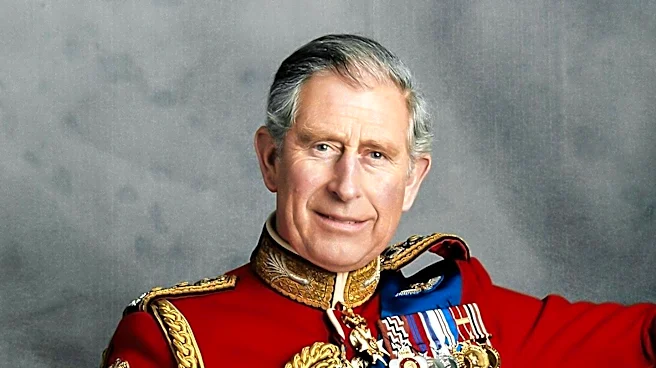
The first victim in any “rightful heir” scenario is the heir themselves. From the moment of birth, their identity is not their own. It’s a placeholder, a vessel for legacy, a walking embodiment of dynastic continuity. Think of King Charles III, who spent
over 70 years as the heir apparent. His entire life was framed as a waiting period, his passions and personality quirks often viewed as inconvenient deviations from the pre-written script of monarchy. This isn't freedom; it's a gilded cage where personal ambition must be sublimated to a role you didn't choose. The tragedy is that the heir often can't become a fully formed person because they are, first and foremost, an institution. Their purpose is assigned, not discovered. For every choice they make, the silent question hangs in the air: Is this appropriate for a future king, a future CEO? This pressure hollows out the self, replacing individual desire with the heavy, impersonal weight of destiny.
The Sibling Rivalry from Hell
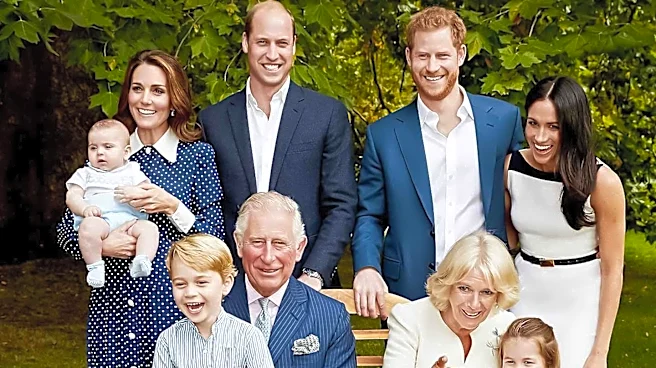
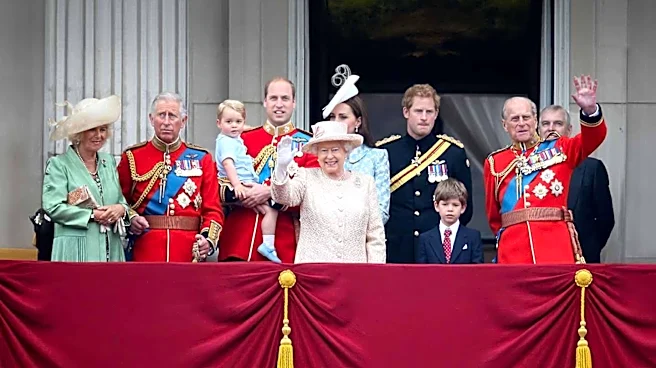
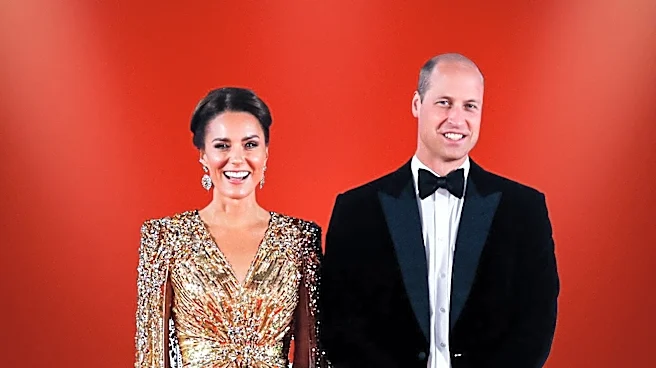
If the heir lives in a prison, the “spare” lives in their shadow, a far more complicated and agonizing space. The dynamic immortalized by Prince Harry’s memoir title is a universal feature of these systems. Primogeniture, or any system that elevates one child over others, is an unnatural act. It formalizes inequality at the family dinner table. It tells one child they are the future and the other they are, at best, a backup plan. This inherently breeds a toxic mix of resentment, jealousy, and a desperate search for relevance. The relationship between Prince William and Prince Harry is the most visible modern example, a fraternal bond fractured under the strain of their designated roles. While one was groomed for the throne, the other was left to find a purpose outside the central narrative. This isn't just a royal problem. In family businesses across America, the same drama plays out when a parent anoints one child as the successor, leaving others feeling devalued, overlooked, and fundamentally lesser-than in the eyes of the person whose approval they crave most.
When 'Rightful' Is the Wrong Word
The very language of the “rightful heir” argument is a trap. The word “rightful” implies a moral or natural order, suggesting the chosen one is the most deserving, the most capable. But it’s rarely about merit. More often, it’s about the arbitrary logic of birth order, gender, or a parent’s blatant favoritism. This is the central tension that made HBO's *Succession* so compelling: Logan Roy’s children were all deeply flawed, yet each believed they had a unique claim to the empire, none of which was based on pure competence. The tragedy here is twofold. For the overlooked, it’s the maddening reality of being passed over for reasons that have nothing to do with your ability. For the designated heir, it’s the nagging insecurity that you didn't truly earn your position. This creates a foundation of sand. The chosen one may forever doubt their own worth, while the spurned siblings are left to curdle in a sense of injustice, convinced they could have done a better job if only they’d been given the chance.
A Life Lived on Stage
Ultimately, the argument over a rightful heir turns a family into a public performance. Every action, every relationship, and every failure is scrutinized by an audience—be it the public, the board of directors, or just the extended family. Privacy is the price of admission. The immense pressure to project an image of unity while engaging in a behind-the-scenes battle for power creates a profound sense of alienation. Family gatherings become strategic meetings, and expressions of love are weighed for their political value. The individuals at the center of this storm lose the ability to have normal, private relationships. They are characters in a story being written by others, trapped by expectation and precedent. We watch these sagas unfold with a mix of fascination and judgment, rarely stopping to consider the profound sadness of a life where family is not a refuge from the world, but the very battleground itself.