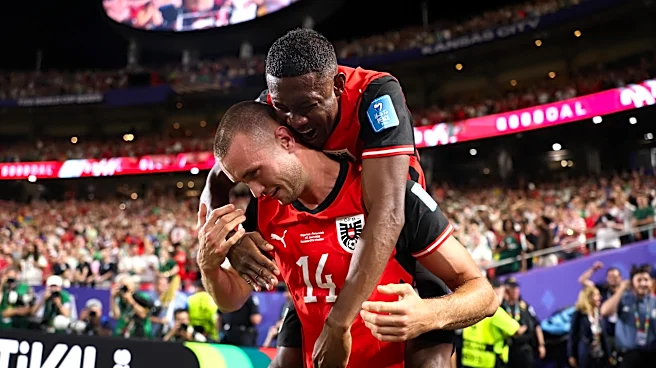










The Psychology of the Second Chance
Being a substitute is one of the toughest psychological challenges in sports. It requires an athlete to stay mentally and physically primed for a moment that may never come. While starters have the rhythm of the game, the sub is thrown into the fire,
expected to perform instantly under immense pressure. It’s a role that demands a unique blend of patience, confidence, and opportunism. In modern sports, especially soccer where teams can now make five substitutions, the 'super-sub' is no longer just an emergency plan but a core strategic weapon. Coaches use them to exploit tiring defenses, change tactical formations, or simply inject a dose of chaos. They are the chess pieces held in reserve for the final, decisive move, and their success hinges on their ability to turn a sliver of an opportunity into a legacy-defining moment.
The Gold Standard: A Miracle in Barcelona
When you talk about substitute heroes, one story stands above all others: Manchester United in the 1999 UEFA Champions League final. The scene was set at Camp Nou, with United trailing Bayern Munich 1-0 as the clock ticked into injury time. The dream of a historic treble—winning their domestic league, domestic cup, and Europe’s top prize—was evaporating. Manager Alex Ferguson sent on two substitutes, Teddy Sheringham and Ole Gunnar Solskjær. In the 91st minute, Sheringham scored the equalizer. The game seemed destined for extra time, but just 30 seconds after the restart, United won a corner. The ball was flicked on by Sheringham and met by the outstretched boot of Solskjær, who poked it into the roof of the net. In a stunning turn of events, two substitutes had scored two goals in stoppage time to steal the trophy. Solskjær, already known for his knack of scoring off the bench, was immortalized as the ultimate 'baby-faced assassin' and the gold standard for game-changing substitutions.
The Modern Game-Changer
The legend of the super-sub is alive and well. The 2026 World Cup has highlighted the growing trend, with substitutes scoring at a higher rate than in any previous tournament. Germany’s Deniz Undav has become a folk hero, netting three goals without starting a single match, proving that a player's biggest impact can come in limited minutes. These moments aren't confined to the group stage. In the 2024 Copa América final, with Argentina locked in a grueling battle against Colombia, the breakthrough came from the bench. Lautaro Martínez, brought on as a substitute, scored the winning goal deep into extra time to clinch the title for his nation. Similarly, Spain won the Euro 2024 final thanks to Mikel Oyarzabal, who came off the bench to score the decisive goal. These instances underscore a modern reality: championships are won not just by the eleven players who start, but by the one who was waiting for their chance.
More Than Just a Goal
A substitute’s heroism isn’t always measured on the scoreboard. Sometimes, it’s a defensive stop, a surge of energy, or a moment of inspiration that turns the tide. Think of Chase Blackburn in Super Bowl XLVI. After being cut by the New York Giants and spending part of the season as a substitute middle school teacher, he was re-signed late in the year. In the fourth quarter of the Super Bowl, with the New England Patriots driving, Blackburn intercepted a deep pass from Tom Brady, a pivotal play that helped secure the Giants' improbable victory. His story is a powerful reminder that redemption isn’t limited to strikers scoring last-minute winners. It’s about any player, in any position, who is called upon and delivers a moment of brilliance that alters the course of the game and their own career narrative.