






An Experiment in Scale
When the world tunes in for the 2026 World Cup, it won’t just see an expanded 48-team tournament; it will witness an unprecedented experiment in atmosphere. For the first time, the event is being held across a continent, with the majority of games, including
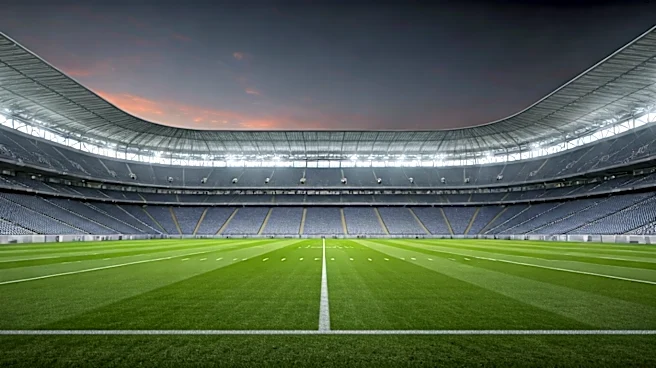
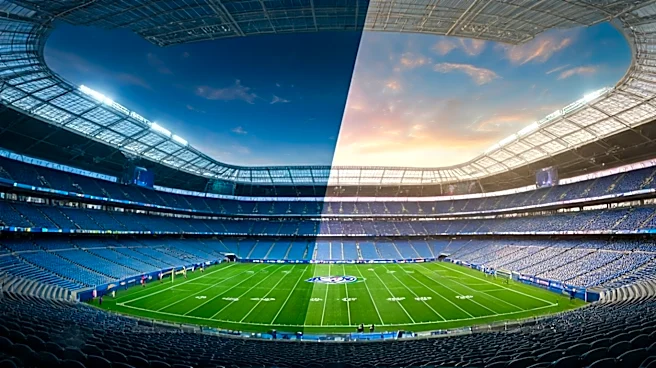
the final, taking place in U.S. stadiums built for a different brand of football. These are the colossal homes of NFL teams—think AT&T Stadium in Dallas, with a jaw-dropping capacity of over 90,000, or MetLife Stadium in New Jersey, hosting the final for 82,500 fans. These venues offer state-of-the-art amenities, massive video boards, and the raw capacity to host record-breaking crowds. But they weren't designed for soccer. The distance from the stands to the pitch, the sheer volume of the space, and seating bowls designed for the stop-start rhythm of American football create a different dynamic than the compact, cauldron-like grounds many global soccer fans cherish.
The Quest for Intimacy
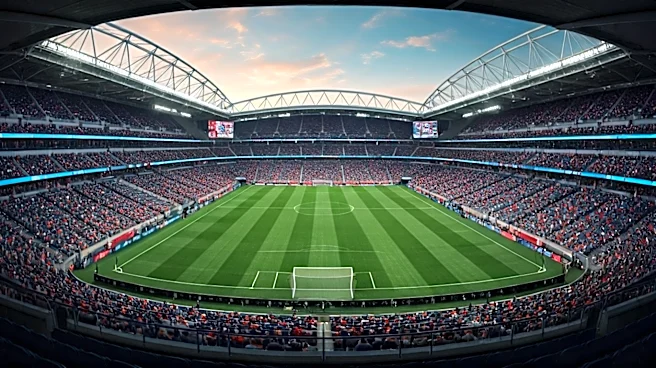
On the other end of the spectrum are the tournament's smaller venues, which promise a more traditional and intense soccer experience. Toronto's BMO Field, though temporarily expanded to meet FIFA's 45,000-seat minimum, is a soccer-specific stadium by design. Its steeper stands bring fans closer to the action, helping to trap and amplify sound. The same is true of the venues in Mexico, like Estadio BBVA in Monterrey, which is celebrated for its excellent sightlines and modern, open-air design that still fosters a loud and passionate environment. This contrast is central to the 2026 narrative. While a semifinal in Dallas will be a spectacle of American mega-event hosting, a group stage match in a smaller, purpose-built stadium could deliver the raw, electric atmosphere that has defined World Cups past. The tournament's “feel” will be a tale of two very different types of stadiums.
A Battle Fought on Grass
Perhaps the most critical—and controversial—factor shaping the on-field feel is the playing surface itself. All 11 U.S. host venues are NFL stadiums, and many of them, including those in Dallas, Atlanta, and Seattle, typically use artificial turf. For the global soccer community, this is a non-starter; players overwhelmingly prefer natural grass for its safety and predictable ball behavior. As a result, FIFA has undertaken a massive and costly project to install specialized hybrid grass systems in every venue. Turf scientists have spent years developing consistent playing surfaces that can be grown off-site, rolled up like carpet, and installed in climate-controlled domes and open-air stadiums alike. This enormous effort aims to ensure that a match played in Miami feels the same underfoot as one in Vancouver, protecting the integrity of the game and giving players the consistency they demand.
A Final Fit for a Super Bowl
The tournament will culminate on July 19, 2026, at MetLife Stadium, a venue synonymous with Super Bowls and blockbuster concerts. Hosting the World Cup final in a stadium built for the Giants and Jets represents the ultimate fusion of American sports culture and global football tradition. The challenge will be translating the passionate, continuous roar of a World Cup final to a space designed with luxury suites and sprawling concourses in mind. Architectural choices, like how a roof contains sound or how close the stands are to the pitch, directly influence crowd noise and energy. Success will depend on whether 82,500 fans can generate the intimidating, unified wall of sound famous in soccer-specific grounds. The final won't just crown a world champion; it will serve as a verdict on whether an American football palace can truly capture the soul of the beautiful game's biggest moment.