



The Reign of Millennial Minimalism
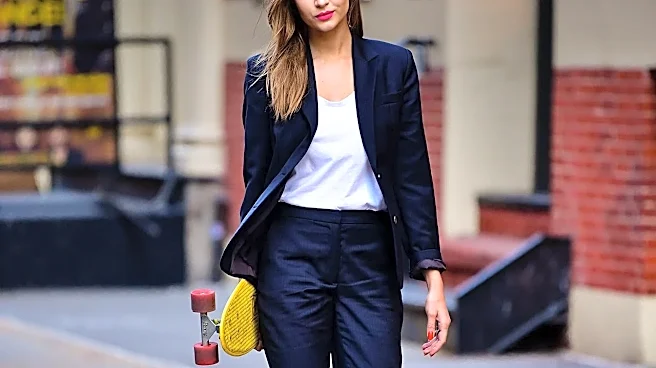
For years, a single aesthetic dominated the closets of the upwardly mobile and style-conscious: Millennial minimalism. It was a look born from the 2010s, defined by clean lines, neutral palettes, and the pursuit of the perfect “capsule wardrobe.” Think
high-waisted skinny jeans, tailored blazers, cashmere sweaters in shades of oatmeal, and the ubiquitous white sneaker. This was fashion as a solution—a way to project calm, control, and quiet confidence in an increasingly chaotic world. Brands built empires on this principle, offering well-made basics that promised longevity over fleeting trends. For Millennials, who entered adulthood during economic instability, minimalism wasn't just a style; it was a value system. It represented a desire to declutter, to invest in quality, and to find a chic uniform that worked for every occasion, from the open-plan office to a weekend brunch.
Enter: The Gen Z Style Explosion
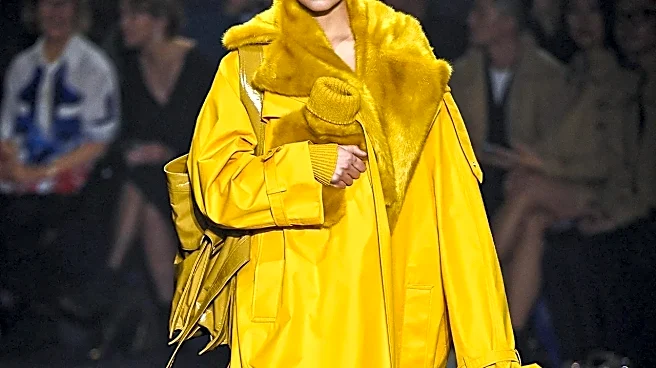
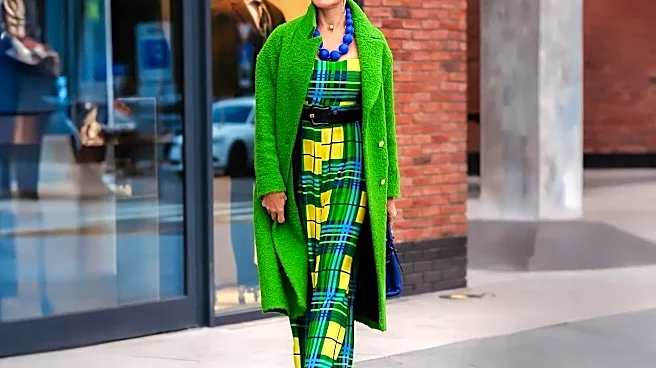
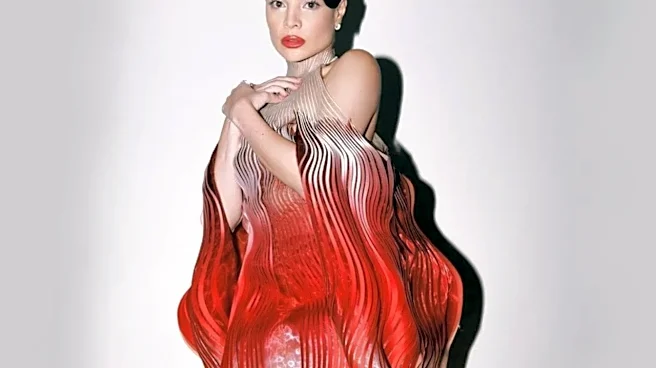
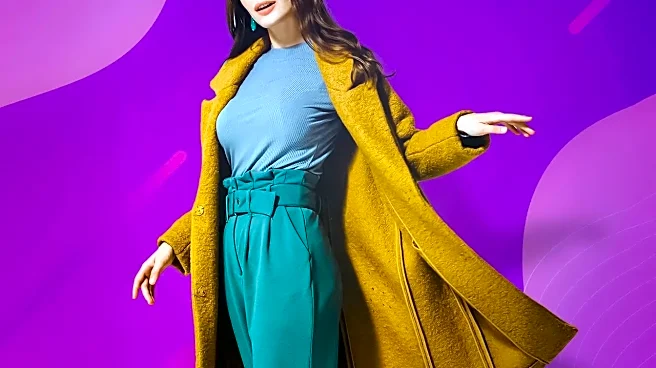
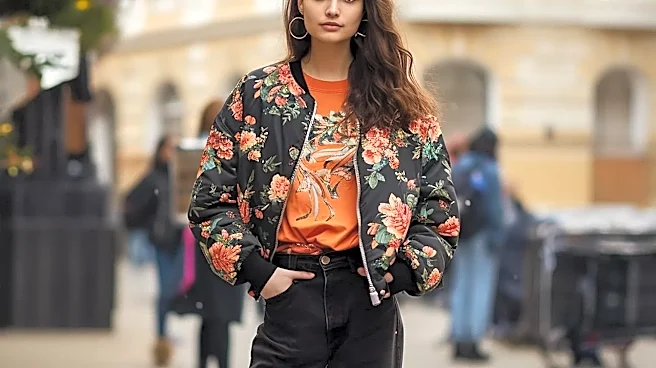
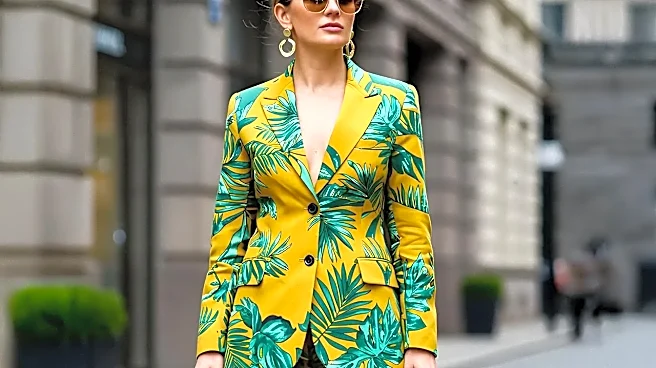
Gen Z’s approach to fashion is, in a word, different. It isn't a single aesthetic but a constantly shifting collage of micro-trends, nostalgic revivals, and hyper-personal expression. Fueled by TikTok and a digital-native mindset, their style is eclectic, often ironic, and deeply individualistic. Where Millennials sought to perfect a single look, Gen Z embraces a fluid identity that can change daily. One day it’s Y2K-inspired low-rise jeans and a baby tee; the next, it’s a “cottagecore” dress or a grunge-inspired mix of plaid and baggy denim. There are few rules. Comfort is key, often manifesting in oversized silhouettes, but so is the joy of “dopamine dressing”—using bright colors and clashing patterns to boost one's mood. This generation doesn't just wear clothes; they tell stories with them, using fashion as a tool for self-discovery and community signaling.
Copenhagen: The Perfect Battleground
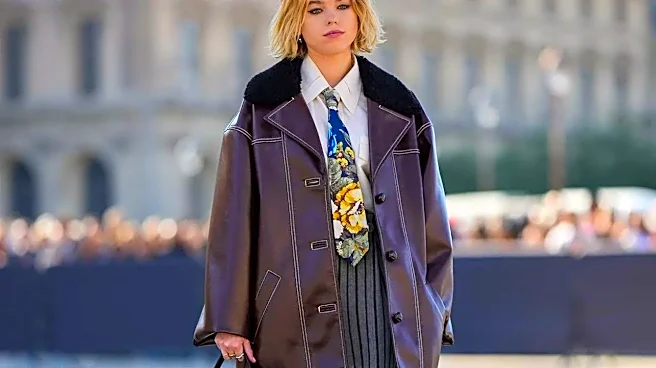
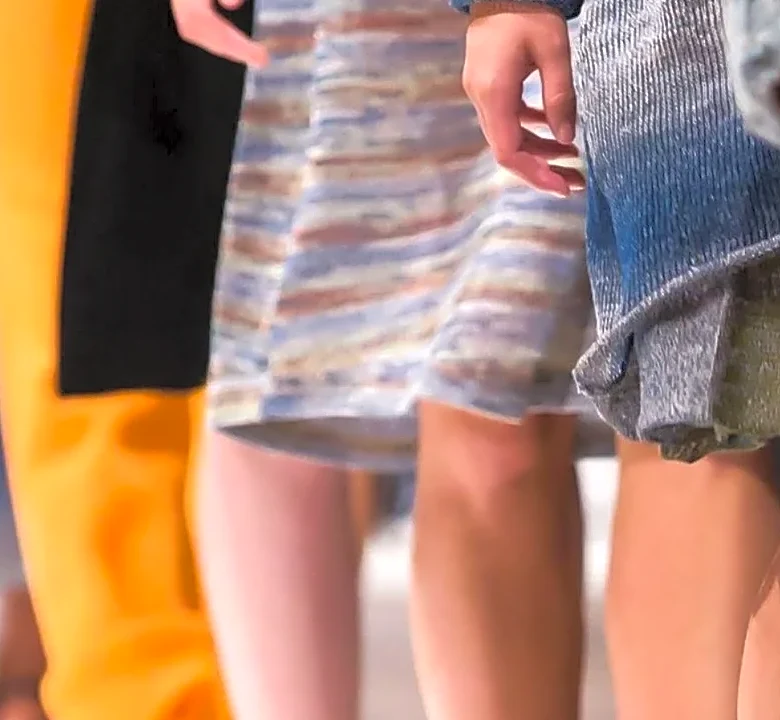
Copenhagen Fashion Week has become one of the most influential showcases of street style globally, making it the perfect stage for this generational style clash. The city's fashion scene has long been associated with a certain kind of Scandi minimalism that aligns perfectly with the Millennial ethos: functional, stylish, and sustainably minded. However, the city's streets now tell a more complex story. You’ll still see the perfectly tailored neutral suits and elegant trench coats, but they are increasingly joined by explosions of color, unconventional layering, and thrifted, DIY creations favored by Gen Z. The fashion week's strong emphasis on sustainability also resonates with both generations, but in different ways. For Millennials, it often means buying fewer, better things. For Gen Z, it frequently means embracing secondhand and vintage finds, which naturally lends itself to a more eclectic, one-of-a-kind look.
More Than Just Clothes: A Philosophical Divide
The shift from minimalism to eclecticism is more than just a change in trends; it’s a reflection of a different worldview. Millennial minimalism was often about aspiration and control—achieving a polished, perfected version of adulthood. It was about finding the right answer to the question, "What should I wear?" In contrast, Gen Z's eclecticism is about exploration and authenticity. It rejects the idea that there is a single right answer. For them, fashion isn't about looking perfect; it's about looking like yourself. The “challenge” to minimalism isn't an aggressive takeover but a fundamental questioning of its core premise. It suggests that in 2026, the ultimate style goal isn't to blend in beautifully, but to stand out meaningfully. This generation is less interested in dressing for the job they want and more interested in dressing for the person they are right now.