

The Art and Science of the Schedule
Building a festival schedule is a dark art. It’s more than just a spreadsheet of who plays where and when. A perfect schedule creates a rhythm for the entire weekend, guiding tens of thousands of people on a seamless journey. It manages crowd flow, prevents
human traffic jams, and, most importantly, crafts compelling choices for fans. Every year, when Outside Lands drops its set times, fans immediately scan for the dreaded conflicts. But the most damaging error isn't just pitting two popular acts against each other. The real magic, and the biggest potential pitfall, lies in the strategic counter-programming required by the festival's unique layout.
Golden Gate Park’s Unique Challenge
Unlike the wide-open deserts of other festivals, Outside Lands unfolds across the long, relatively narrow grounds of Golden Gate Park. The main Lands End stage sits at one end of the Polo Field, while the second-largest stage, Twin Peaks, is a significant 10-to-15-minute walk away in Hellman Hollow. In between, you have the Sutro stage, plus a collection of smaller stages and tents. This geographical separation is the key variable. A fan can't easily catch the first half of a set at Lands End and the second half at Twin Peaks without sacrificing a huge chunk of time to the journey. This forces a hard choice, and when the festival gets that choice wrong, the energy plummets.
The Counter-Programming Catastrophe
This brings us to the critical mistake: failed counter-programming. The ideal schedule places acts with minimal audience overlap on the two main stages simultaneously. For example, scheduling a legacy rock band on Lands End against a cutting-edge electronic act at Twin Peaks is smart. It gives two distinct fanbases a clear, satisfying option, effectively splitting the crowd in a way that ensures both artists have a dedicated, energetic audience. The catastrophe happens when bookers misjudge the audience. If they schedule two artists who, despite belonging to different genres, appeal to the same cross-section of fans—say, a buzzy indie-pop darling and a critically acclaimed hip-hop artist—they force an impossible decision. Fans are paralyzed by FOMO, and both artists end up playing to a crowd that feels disappointingly sparse.
When a Great Booking Falls Flat
Picture this: a band with massive online buzz, booked for a career-making sunset slot at the Twin Peaks stage. They’re one of the most anticipated undercard acts. But at the same time, a beloved '90s alternative band is playing their biggest hits over at Lands End. The core demographic for both is surprisingly similar—the thirty-something festival-goer with eclectic taste. The result is a lose-lose. The Twin Peaks field is half-full, robbing the rising band of the massive crowd they deserved. Meanwhile, the vibe at Lands End is diluted by a constant stream of people arriving late or leaving early, trying to solve the impossible scheduling riddle. The field feels flat, the energy is diffuse, and a booking that looked incredible on the poster becomes a muted experience on the ground.
Getting It Right Creates Magic
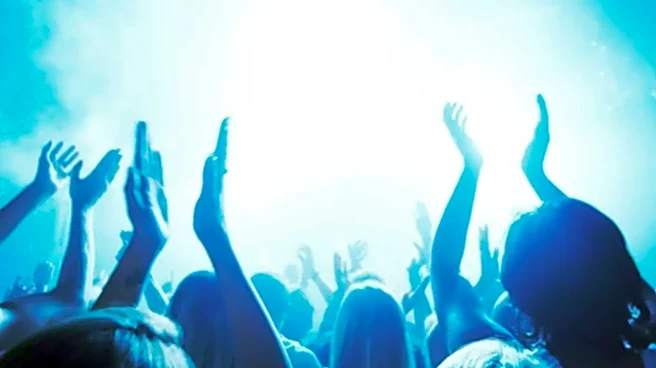
When the schedulers nail it, the entire festival flows. Smart scheduling understands that sometimes the best way to ensure a massive crowd for one headliner is to program something completely different against them. It’s about creating paths of least resistance. In past years, the schedule has been praised for creating easy choices, like putting Kendrick Lamar against Interpol, artists with largely separate fanbases. This allows fans to commit to a set without feeling like they're missing out, which in turn creates a more present and energized audience. The festival becomes more than a series of concerts; it becomes a curated experience where every piece feels like it's in the right place at the right time.