




The 'What Just Happened?' Ending
This is the debate sparked by a film that dares to be ambiguous, leaving you and your friends to piece together what it all meant. Was the hero dead the whole time? Was it all a dream? This conversation thrives on twist endings and narrative puzzles.
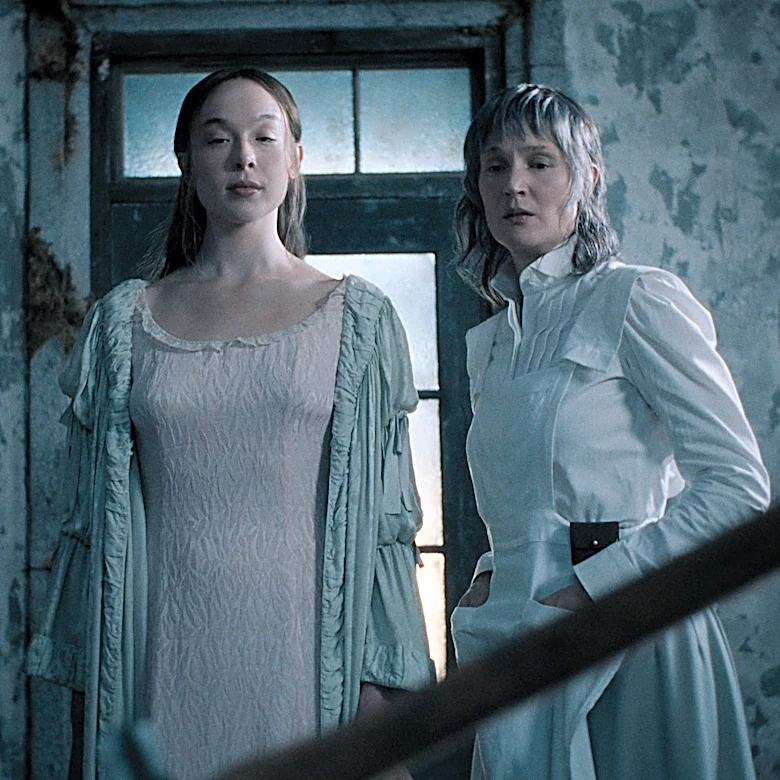
This fall, Zach Cregger’s reboot of the “Resident Evil” franchise, known for its intricate lore and surprising plot turns, seems poised to have audiences asking these very questions as they leave the theater. Similarly, the dark comedy “Bad Apples,” about a teacher who locks a student in her basement, could leave viewers debating the delightfully murky motivations and final consequences long after the screen goes dark.
The 'Is It Serious Enough for an Oscar?' Debate
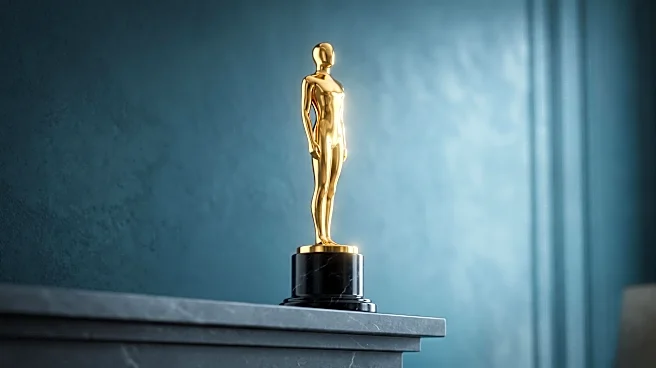
Fall is the unofficial start of awards season, a time when every drama with a respected director and a pensive score is weighed for its Oscar potential. This conversation pits artistic merit against genre bias. Can a sci-fi epic like the upcoming “Dune: Part Three” get a Best Picture nod, or is that honor only reserved for more traditional dramas? Expect to hear this argument around films like Martin McDonagh’s “Wild Horse Nine,” which is already being discussed as an early contender, and Alejandro G. Iñárritu’s Tom Cruise-led film, “Digger.” The debate isn't just about whether a film is good, but whether it fits the Academy's unwritten rules of what type of good is worthy of a gold statue.
The 'Fact vs. Fiction' Breakdown
Biopics and “based on a true story” films are prime fuel for this conversation. The second you get in the car, someone pulls out their phone to fact-check the narrative. How much of what you just saw was real? Did that historical figure really say that? This year, with films on the horizon like Aaron Sorkin's “The Social Reckoning” and David Fincher's “The Adventures of Cliff Booth,” which may play with historical figures and events, this debate is inevitable. The conversation becomes a fascinating detective game, separating the documented truth from the dramatic license needed to make a compelling movie.
The 'They Changed It From the Book!' Complaint
For every major book adaptation, there's a legion of devoted readers ready to scrutinize every change. This fall sees a new wave of adaptations ripe for this very discussion. Jane Austen fans will surely have opinions on the new “Sense and Sensibility,” comparing it to both the classic novel and its previous screen versions. But the biggest battleground will likely be “The Hunger Games: Sunrise on the Reaping.” Fans of the Suzanne Collins novels are famously protective of the source material, and any deviation in the film's plot, character arcs, or tone is guaranteed to become a major talking point.
The 'Who Was the Real Villain?' Moral Tussle
The most interesting films often operate in shades of gray, presenting characters and conflicts where good and evil are not so clearly defined. These movies spark intense moral debates. Was the protagonist's questionable choice justified? Was the antagonist actually making a valid point? It’s a conversation about motivation and perspective, where the film’s central conflict is re-litigated between friends. Robert Pattinson’s upcoming film “Primetime” is expected to explore complex ethical territory, and the DCU's grounded horror entry “Clayface” could offer a villain with a tragically understandable backstory. These are the films that stick with you, forcing a conversation that’s less about plot and more about human nature itself.