

The Anatomy of Hype
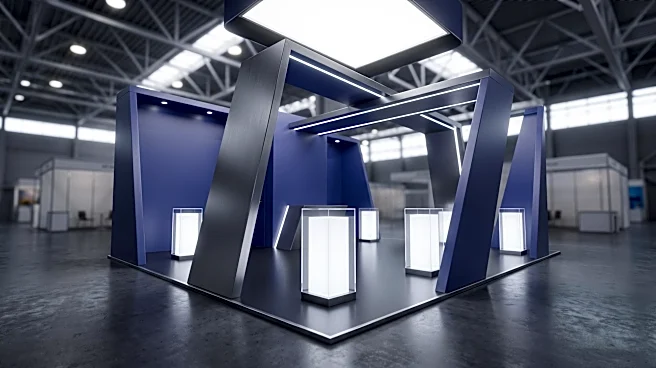
Hype is the loud, flashy, and often expensive force that dominates the main show floor. It’s the towering, immersive activation for a streaming series that was just announced, like Prime Video's two-floor experience for the upcoming 'Blade Runner 2099'.
These installations are designed for social media, offering dazzling photo ops and driving conversations with hashtags. This year, Marvel's focus on the new Disney+ series 'VisionQuest' exemplifies this, with a dedicated offsite activation alongside its primary booth. Hype is built around a launch, a premiere, or a new product. It’s a top-down push from a studio or publisher designed to command attention and create urgency. While effective at generating buzz, the engagement is often shallow. Fans line up for the experience and the exclusive swag, but the connection is to the novelty of the moment, not necessarily to a deep-seated community.
The Hallmarks of Durable Fandom
Durable fandom, in contrast, is a grassroots phenomenon. It’s less about what’s being sold this weekend and more about a shared history. You find it in the packed panels for shows that have been off the air for years, like the 'Brooklyn Nine-Nine' and 'Community' cast reunions. You see it in the overwhelming response to the reunion for the 30-year-old movie 'Scream'. It’s evident in the annual Star Wars meetup, which expects hundreds of fans uniting not for a specific new announcement, but for the love of the galaxy far, far away. These communities are self-sustaining. Their energy doesn't depend on a marketing budget but on the powerful feeling of recognition fans find in one another. An event organizer noted that once-niche fandoms, like that for 'Our Flag Means Death,' have demonstrated this power, with fans traveling from across the country to be with their "tribe."
The Cosplay Litmus Test
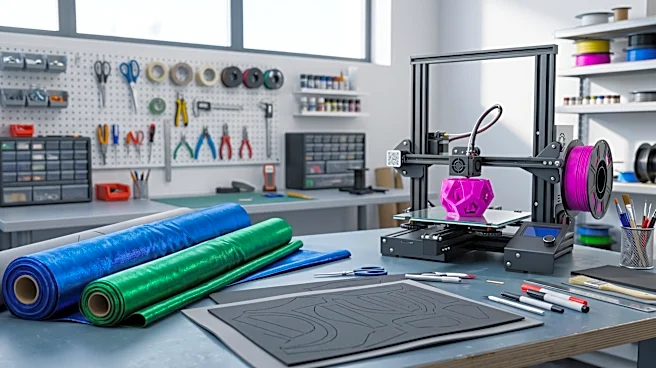
Nowhere is the difference clearer than in cosplay. Hype manifests as the character of the moment—the one design from a new trailer that everyone rushes to replicate. This year, the excitement around Peacock's 'Crystal Lake' prequel is sure to inspire a wave of Pamela Voorhees cosplays. Durable fandom, however, is the group of people dressed as obscure characters from 20 years of 'One Piece' manga who instantly bond upon spotting each other. It’s the cosplayers who have spent hundreds of hours on a deep-cut 'Transformers' build from the IDW comics run. While modern cosplay incorporates new technologies like 3D printing, its core remains an expression of passion and connection to a story. It’s less about chasing the hot new character and more about embodying a personal connection to a world, a trend that prioritizes individual expression and comfort for long convention days.
Where Hype Can Become History
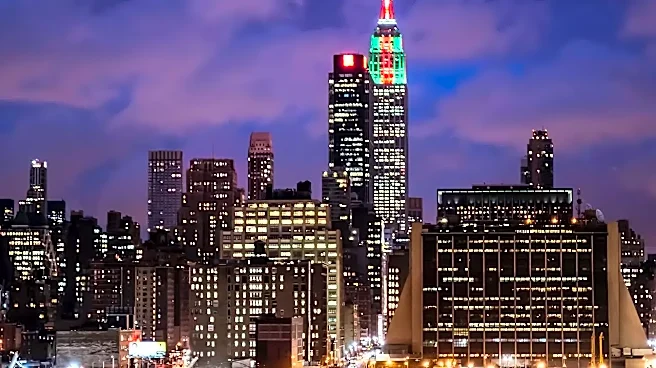
The line isn't always so stark. Hype can be the gateway to durable fandom. Many of today’s most established fan communities began with a blockbuster movie or a hit show that was, in its time, the subject of immense marketing. Anime's "exponential explosion" over the last several years has moved franchises like 'Gundam', 'Naruto', and 'Dragon Ball' from niche interests into mainstream powerhouses with massive exhibitor presences. Similarly, Marvel's continued dominance relies on using the hype for new projects, like the upcoming 'Midnight Universe' comic line, to reinforce decades of fan loyalty. The goal for any major franchise is to convert the temporary excitement of a launch into the long-term passion that keeps fans coming back to the Javits Center year after year, long after the initial marketing campaign has faded.