





The Power of the Final Impression
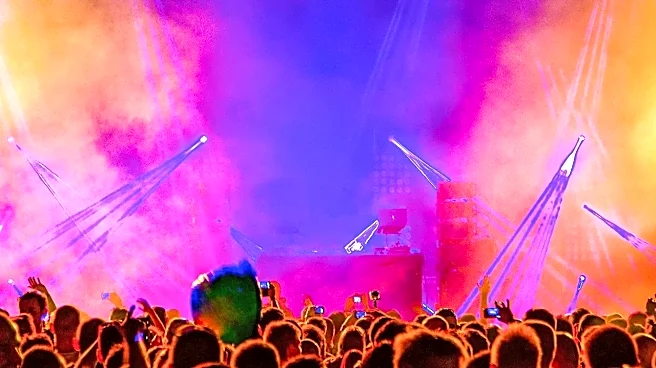
Think about any multi-part experience: a vacation, a multi-course meal, or a day-long music festival. When we look back, we don't remember every moment equally. Our brains, in an effort to be efficient, create a highlight reel. And the final scene of
that reel is disproportionately powerful. The last band you see on the main stage doesn't just end the night; for your memory, it essentially writes the conclusion to the entire event's story. A triumphant, legendary closing set can make an otherwise mixed festival feel like a roaring success. A lackluster finale can leave a sour taste, retroactively tainting even the best moments that came hours before. This isn't just a feeling; it's a well-documented cognitive shortcut at play.
Meet the Peak-End Rule
Nobel Prize-winning psychologist Daniel Kahneman's research gives us a framework for this: the "peak-end rule." His work found that our brains don't average out an entire experience when judging it later. Instead, we tend to remember and over-emphasize two key points: the most emotionally intense moment (the "peak") and the very end. Everything else—the long waits between sets, the overpriced food, the moderately good opening acts—tends to fade into a general impression. The festival closer perfectly exploits this rule. It is, by definition, the "end." And if the artist delivers a truly transcendent performance, it can also serve as the emotional "peak" of the entire weekend. This one-two punch of being both the most intense and the final memory makes it incredibly potent in shaping our overall takeaway.
The Recency Effect in Action
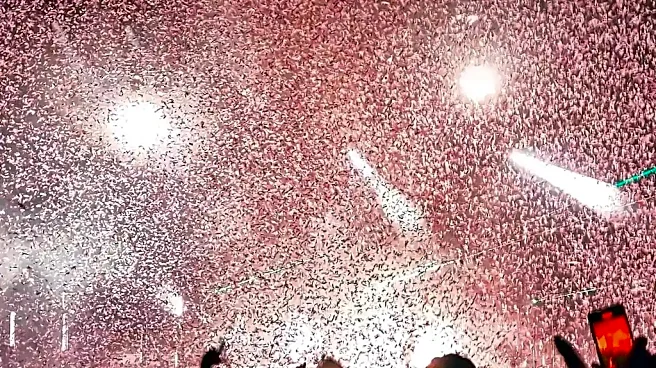
Working alongside the peak-end rule is another cognitive bias known as the "recency effect." This principle suggests that when presented with a sequence of information, we are most likely to recall the items at the very end. Our short-term memory is still holding onto those final moments when we begin the process of converting the experience into a long-term memory. The encore of the closing headliner, the final burst of confetti, the shared feeling of the crowd as the house lights come up—these moments are fresh. They are the easiest for our brain to access as it summarizes the preceding hours or days, giving them an outsized influence on the permanent record.
How Organizers and Artists Leverage This
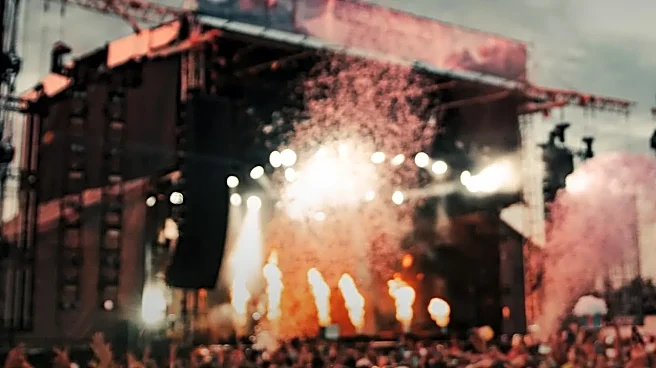
Festival promoters and artists understand this psychology, even if they don't use the clinical terms. The closing slot is the most prestigious for a reason. It's a responsibility handed to an artist who can be trusted to create a definitive, unifying moment. They are tasked with providing catharsis and sending thousands of people home on a high. This is why headliners save their biggest anthems for the end of their set; they are crafting a powerful final impression. It's also why a surprise guest or a spectacular fireworks display is often reserved for the finale. These are engineered peak moments designed to fuse with the end of the experience, creating an unforgettable memory that fans will talk about for years.
When the Ending Disappoints
Conversely, the peak-end rule explains why a disappointing closer can feel so devastating. An artist who is low-energy, has technical difficulties, or simply misreads the crowd's mood can sink the memory of an otherwise fantastic festival. The nine hours of great music and fun you had before that moment can be overwritten by a frustrating or boring final hour. Your brain's internal narrator, guided by the peak-end rule, might summarize the experience as, "It was pretty good, but the ending was a letdown." The end, being so powerful, has the ability to recast the entire narrative. It’s a harsh reality of our memory's quirky editing process, proving that at a festival, you're only as good as your last note.