

The Illusion of Simplicity
Minimalist style isn't about having less; it's about making sure every piece counts for more. The foundation of many of these envy-inducing outfits is a collection of hyper-curated basics. At the top of that list is the plain T-shirt. But the ones that create
that clean, architectural silhouette aren't random, five-for-$20 pack-ins from a big-box store. They are the result of deliberate, almost obsessive, selection. The lie isn’t that a T-shirt can’t be simple; the lie is that a *great* one is accidental. It’s a garment engineered to look like it requires no thought, when in reality, every detail has been considered.
Fabric Is 90% of the Work
The first and most important difference between a disposable tee and an investment piece is the fabric. This isn't just about softness; it’s about structure and drape. A cheap, thin cotton shirt will cling, wrinkle, and lose its shape after a few washes. A superior T-shirt, however, is often made from higher-grade materials like Supima or Pima cotton, which have longer fibers that create a smoother, stronger, and more lustrous fabric. It hangs from the body rather than clinging to it. You might also see heavier-weight cotton that offers a more structured, boxy look, or blends with modal or Tencel for a silky, fluid drape. The fabric is doing the hard work of creating a silhouette, making you look put-together before you’ve even added a single accessory.
The Anatomy of a Perfect Fit
Beyond fabric, the secret is in the cut. We've been trained to think of T-shirt fit in basic terms like small, medium, and large. But the people who nail minimalist style think like tailors. Where do the shoulder seams fall? Ideally, right at the edge of your shoulder for a sharp, clean line. What’s the sleeve length? A slightly longer sleeve that hits mid-bicep can look more intentional and polished than a short, tight cap sleeve. The torso is crucial, too. Is it a classic “shrunken” fit that’s slim through the body? Or is it a modern, boxy cut that sits away from the body, creating a more architectural shape? The neckline alone is a universe of choice: a thick, ribbed crewneck telegraphs a vintage, robust feel, while a delicate, lower-scooping neck reads as more relaxed and feminine. Each of these tiny decisions radically alters the final look.
The Nuance of Neutral
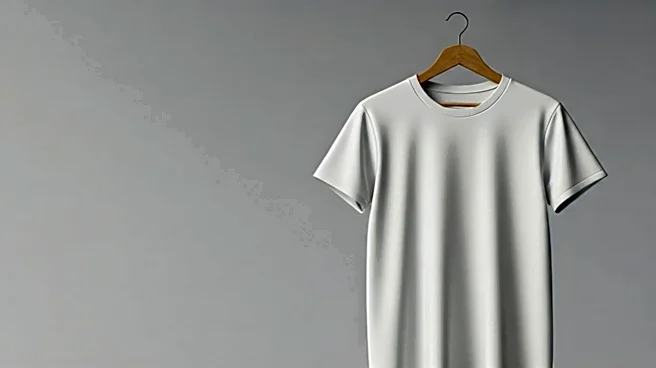
You might think a white T-shirt is a white T-shirt. Not in the world of intentional minimalism. There’s optic white, which is crisp and almost blue. There’s natural or off-white, which is softer and warmer. One might look stellar with faded blue jeans, while the other pairs perfectly with black trousers. The same goes for black, grey, and beige. A heather grey tee has a casual, athletic vibe because of its mixed fibers, while a solid charcoal grey feels more formal and severe. The color isn't just a color; it’s a tool for setting a mood. A truly great minimalist wardrobe doesn’t have “a” white T-shirt; it has “the” white T-shirt, in precisely the right shade and cut for the job.
So, Do You Need a $100 T-Shirt?
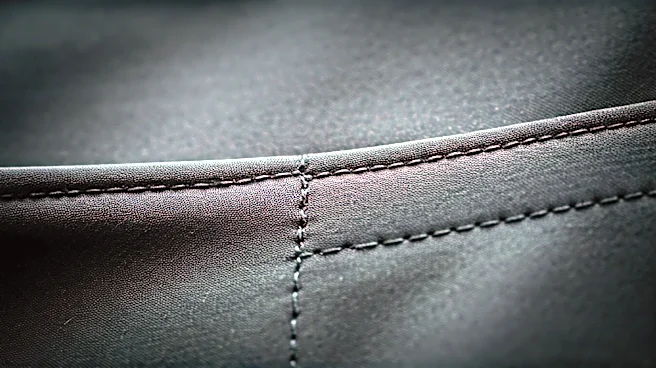
This is the question that inevitably comes up. The answer is no, but you do need to stop thinking of T-shirts as disposable. The high price tags on some designer tees often account for better materials, more durable construction (like reinforced seams), ethical production, and the design that went into perfecting the cut. However, the real lesson isn't about spending a lot of money. It’s about becoming a more discerning shopper. You can find excellent T-shirts from more affordable, direct-to-consumer brands if you know what to look for. Feel the fabric. Check the weight. Look at the seams. Hold it up and see how it drapes. The goal is to trade the mindset of “it’s just a T-shirt” for “this is a foundational piece of my wardrobe.”