

A Roller Coaster, Not a Car Crash
At its core, the love for horror is about experiencing fear in a completely safe environment. Psychologists refer to the thrill of watching a scary movie as a form of benign masochism—an enjoyment of negative experiences that the brain knows can't cause
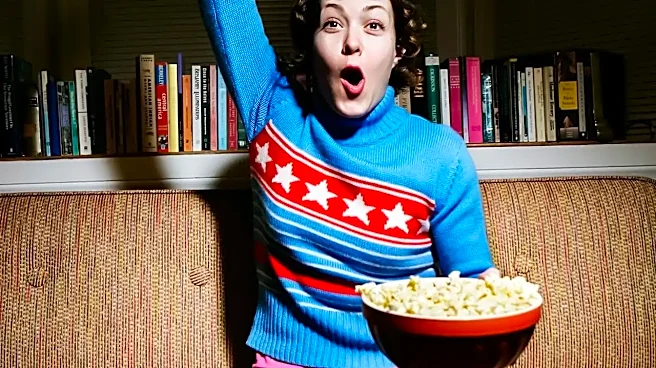
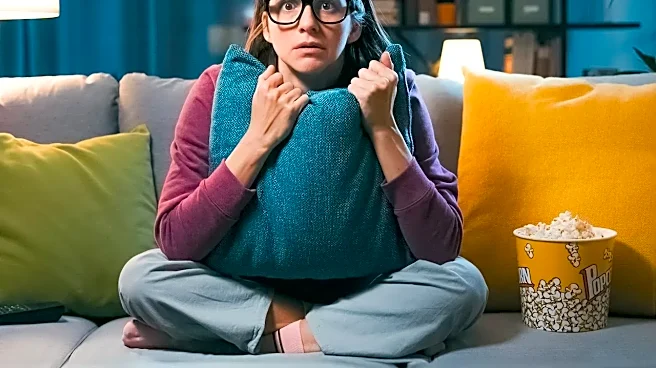
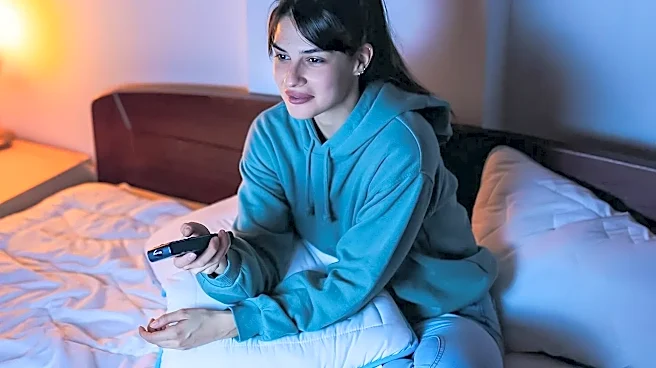
real harm. When you're watching a killer chase a teenager on screen, your heart races and adrenaline pumps, activating a fight-or-flight response. But since you're curled up on your couch, that physiological arousal feels exhilarating rather than truly dangerous. When the movie ends and the credits roll, the lingering tension gives way to a wave of relief and euphoria. It’s the emotional equivalent of riding a roller coaster; you get the intense thrill of the drops and turns, but you unbuckle at the end feeling accomplished and safe, not terrified of a genuine threat.
From Campfire Tales to Your Twitter Feed
For centuries, humans have gathered to share scary stories as a way to bond and make sense of the world’s dangers. Ranking our favorite horror movies online is simply the 21st-century evolution of the campfire tale. It transforms the isolating experience of being scared into a communal activity. Sharing your list of top October frights on social media or a platform like Letterboxd invites discussion, debate, and connection. It’s a way to find your tribe and reinforce a sense of belonging within the vast and fiercely loyal horror fandom. This social bonding creates positive memories that people associate with the genre, turning fear into a shared, celebrated experience that brings people closer together.
Curating Your Courage and Taste
The act of creating and sharing a list isn't just about sharing what you watched; it's a performance of identity. Ranking movies is a way to organize chaotic thoughts and signal what matters to you. In the context of horror, your list becomes a declaration of taste and, to some extent, toughness. Are you a fan of cerebral, psychological thrillers like “Hereditary,” or do you prefer the visceral fun of a slasher like “Halloween”? Do you champion an obscure foreign film or a big-budget blockbuster? Each choice is a brushstroke in a self-portrait you present to the world. It signals your knowledge of the genre, your tolerance for gore, and your unique perspective. In a low-stakes way, it's about curating your own courage and establishing yourself as someone who can handle the dark and disturbing.
The Comfort of a Seasonal Ritual
Ultimately, the annual tradition of watching and ranking scary movies is tied to the cultural atmosphere of October itself. Just as people rewatch the same holiday movies every December, the horror marathon has become an essential part of the Halloween season for many. This ritual provides a sense of structure and predictability in a chaotic world. Even though the films themselves are designed to be unsettling, the act of participating in this shared cultural event is deeply comforting. The demand for horror content consistently spikes as the calendar flips to October, with distributors and streaming services eagerly feeding the appetite. This cycle reinforces the month’s spooky identity and solidifies the movie marathon as a cherished, non-negotiable tradition for fright fans.