






The End of the Plastic-Wrap Era
The language of a top-tier sneaker collection used to be about what you didn't do. You didn't wear them. You didn't crease the toe box. You certainly didn't let them touch pavement. The ultimate flex was owning a “deadstock” pair—unworn, unlaced, and
preserved in its original box, sometimes for decades. This mindset turned sneakers into static assets, more akin to stamps or coins than functional footwear. Collectors built shrines of stacked boxes and clear display cases, preserving their value by denying their primary purpose. The problem, as many discovered, is that shoe materials can degrade even in storage; midsoles crumble and glue yellows, turning a prized possession into dust.
Authenticity in Every Scuff
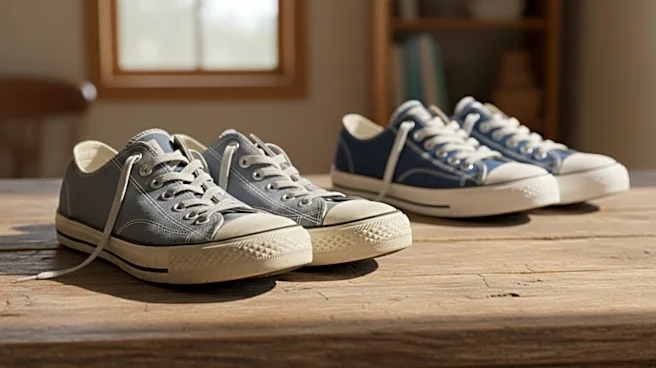
The new movement celebrates “patina”—the story that wear and tear tells. A scuff is no longer damage; it’s a memory. Faded colors aren't a flaw; they’re evidence of a life lived. This trend is a quiet rebellion against the hyper-commodification that has dominated sneaker culture, where shoes became little more than stocks to be flipped on platforms like StockX and GOAT. By embracing wear, collectors are reclaiming their shoes as personal artifacts. The value is shifting from pure market price to emotional significance and authentic self-expression. In a world of mass production, a worn pair of sneakers is uniquely yours, its story etched into the leather and rubber.
The Celebrity Co-Sign
Like many fashion trends, this shift has been amplified by celebrities and influencers. When style icons are photographed wearing beat-up classics or perfectly aged vintage models instead of the latest hype release, it sends a powerful message. It reframes what is considered cool, moving the goalposts from “new and exclusive” to “authentic and lived-in.” This aesthetic can be seen in the rise of luxury brands like Golden Goose, which sells pre-distressed sneakers for hundreds of dollars, banking on the appeal of a shoe that looks like it already has a history. This top-down validation has given everyday consumers the confidence to wear their own grails, scuffs and all.
More Than Just Sneakers
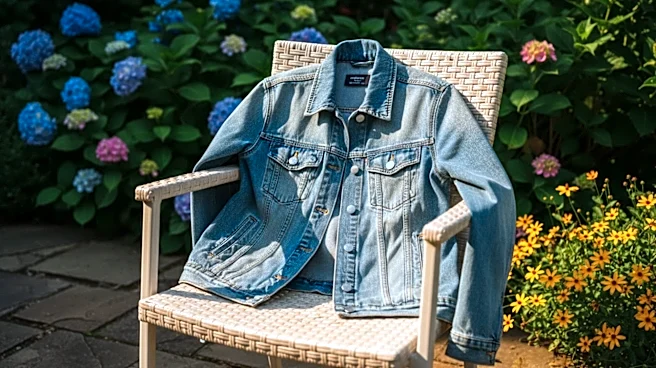
This isn't a phenomenon confined to footwear. It’s part of a broader cultural pivot towards what some call “quiet luxury” and sustainability. Consumers are increasingly interested in quality, longevity, and the stories behind their possessions, whether it's raw denim that fades to the owner's body, a leather jacket that softens with age, or a vintage watch with a unique patina. Celebrating worn-in items is an antidote to the churn of fast fashion, encouraging investment in high-quality pieces that are meant to last. It's a move toward mindful consumption, where the most valuable items are the ones we keep and use, not just the ones we acquire and store.
The Market Adapts
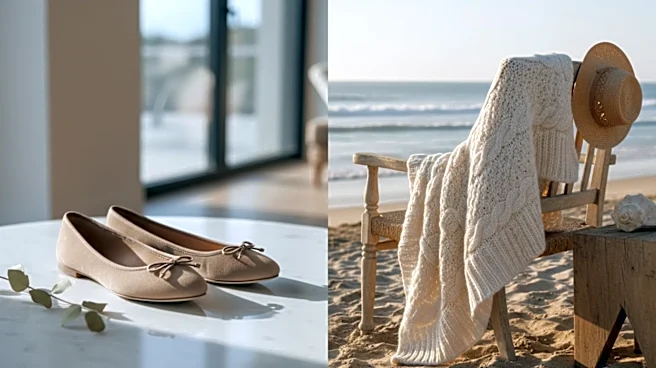
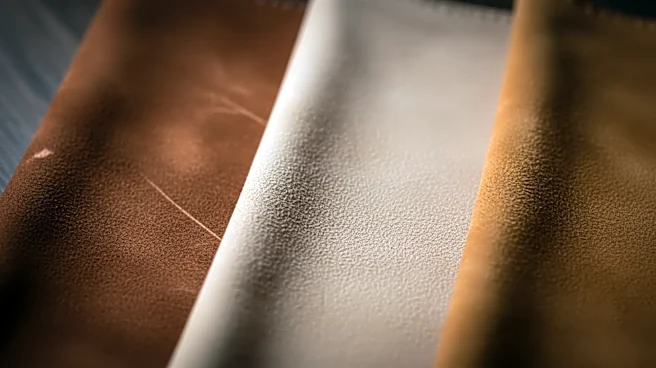
The sneaker market is beginning to reflect this change. While a deadstock pair of a rare collaboration will always command a high price, the value gap between new and lightly used shoes is narrowing for certain models. Resale sites prominently feature used sections, and buyers are increasingly savvy about what constitutes “good” wear versus actual damage. Brands are also responding, with some leaning into vintage-inspired designs that look better with age or even releasing pre-aged versions of classic silhouettes. The NAHMIAS Spring/Summer 2027 “Patina” collection, with its focus on aged suede and faded denim, shows this ethos is now firmly in the luxury fashion space. This indicates a maturing market where storytelling and character are becoming as valuable as rarity.