


From Souvenirs to Sidelines
For much of the 20th century, fan apparel was a simple affair. Beyond a pennant or a basic wool jersey, expressing team loyalty through clothing wasn't common. The gear worn by professional athletes was just that—a uniform for the field, made by sporting
goods companies for function, not fashion. In the 1960s and 70s, however, the major sports leagues began to realize the untapped commercial potential of their logos. The NFL founded NFL Properties in 1963, with other leagues soon following suit, creating the legal framework for licensing. Still, the market was in its infancy, a far cry from the organized juggernaut it would become. The products were simple, and the idea of wearing a team jacket as a style statement was not yet part of the cultural imagination.
The Jacket That Changed Everything
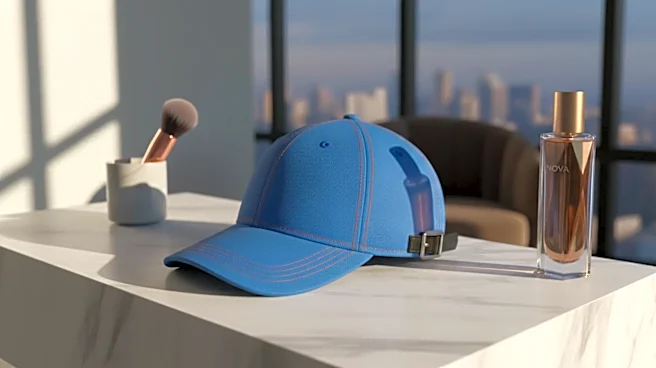
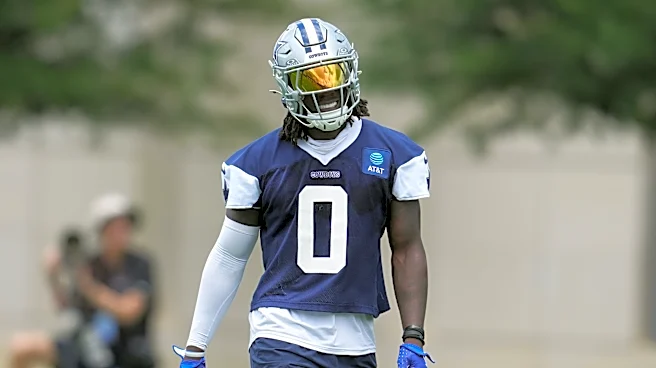
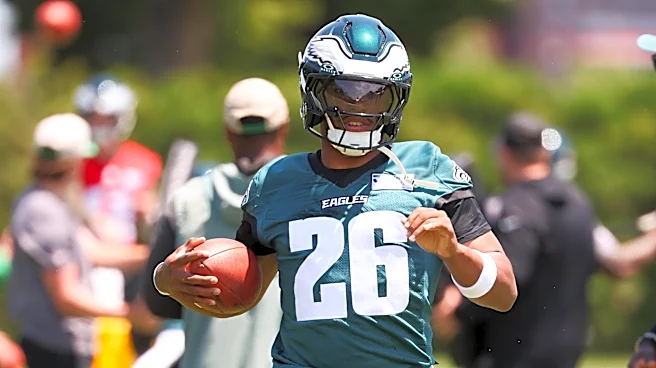
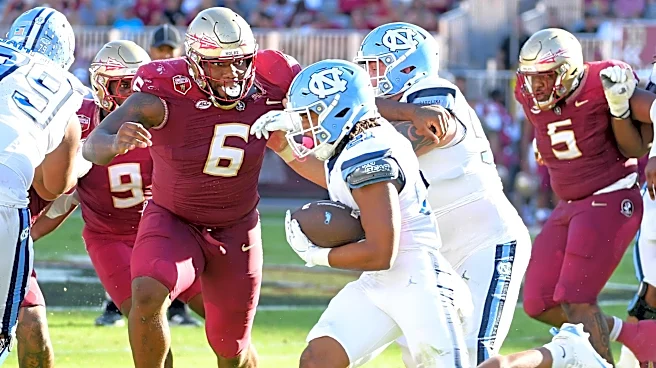
The game changed in the 1980s, and one brand was largely responsible: Starter. Founded in 1971, Starter hit its stride when it began securing licensing deals with the major leagues, including a pivotal, hard-won agreement with the NFL in 1983. The company’s genius was two-fold. First, it created high-quality, authentic apparel that mirrored what coaches and players wore on the sidelines. Fans could, for the first time, own the exact same satin bomber jacket their heroes sported. Second, Starter brilliantly made its own logo part of the design, embroidering its signature star on the sleeve and back of the hat. This turned the apparel from a simple team item into a branded status symbol. The Starter jacket, with its bold colors and satin sheen, was suddenly the must-have piece of outerwear, bridging the gap between the stadium and the street.
Culture Takes the Wheel
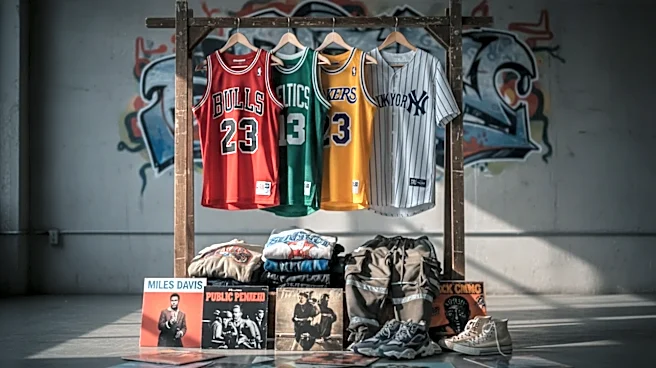
If the '80s built the foundation, the '90s were when the licensed apparel industry exploded into a cultural phenomenon. The driving force was the powerful collision of sports with hip-hop. Artists like Run-D.M.C. had already primed the pump by making Adidas tracksuits part of their uniform in the '80s. But in the '90s, it became a defining aesthetic. Rappers and groups across the country—from N.W.A. repping Raiders gear to Spike Lee's iconic Mars Blackmon character in Air Jordans—turned team apparel into a symbol of regional pride and street credibility. Music videos became virtual runways for oversized jerseys, snapback hats, and team jackets. Champion, which held the exclusive NBA jersey license for much of the decade, saw its products become everyday fashion staples. Owning a Chicago Bulls jacket or a Charlotte Hornets jersey wasn't just about sports; it was about participating in a global style movement.
From Trend to Timeless Staple
By the end of the 1990s, licensed sports apparel was no longer a trend; it was a permanent fixture in the American wardrobe. The initial boom gave way to a mature, multi-billion dollar industry dominated by giants like Nike and Adidas. The explosive popularity of Starter jackets even led to a downside, as the high-status items became targets for theft, a factor that contributed to the brand's eventual bankruptcy in 1999. Yet the groundwork they laid had forever changed fashion. The market evolved, embracing throwback jerseys from Mitchell & Ness and expanding into a vast ecosystem of products for every possible fan. What began with simple team-issued uniforms had successfully transformed into a powerful form of self-expression, community identity, and a cornerstone of the global fashion business.