

First, Not All Nails Are Created Equal
Just like skin can be oily, dry, or combination, so can nails. This isn't just a turn of phrase; it's a key factor in how well products adhere and last. The main characteristics to consider are oiliness, porosity, thickness, and flexibility. Oily nail beds,
for instance, are a common reason for premature lifting. Your body's natural chemistry produces oils that create a slick barrier, making it difficult for even the best gel base coat to form a strong bond. On the other end of the spectrum are dry, porous nails, which can absorb products differently and may be more prone to becoming brittle. Meanwhile, thin, flexible nails bend easily, creating stress on the rigid gel polish that can lead to cracking and chipping.
The Science of a Gel Manicure
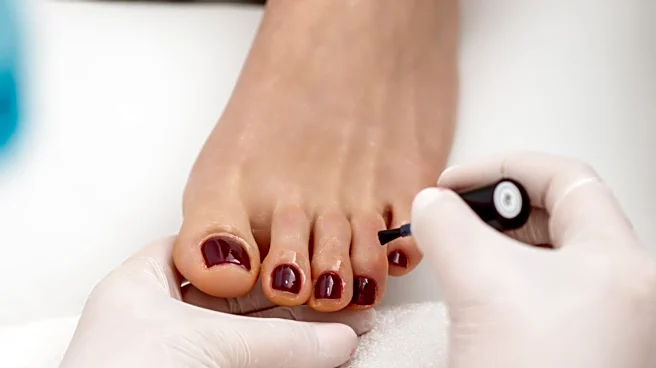
To understand why nail type matters, it helps to know how gel polish works. Unlike regular polish that air-dries, gel is a polymer-based formula that must be “cured” under a UV or LED lamp. This curing process, called polymerization, creates a hard, durable, cross-linked network that bonds directly to the nail plate. The success of this bond depends almost entirely on the quality of the nail surface it's sticking to. A clean, properly prepped, and balanced nail plate is the ideal canvas. Any interference—like excess oil or improperly removed cuticle—can compromise this crucial bond from the start.
The Oily Nail Dilemma
For those with naturally oily nail beds, the battle is lost before the aftercare even begins. The excess sebum prevents the gel from fully adhering, no matter how diligently you apply cuticle oil later. Think of it like trying to put a sticker on a greasy surface; it’s bound to peel away. Technicians often combat this with meticulous prep, using dehydrators or even rubbing alcohol to temporarily strip oils from the nail plate right before application. Some base coats, like rubber bases, are formulated with a thicker consistency to create a stronger grip on slicker surfaces, providing a better foundation.
Porosity, Brittleness, and Aftercare
Aftercare, primarily the daily application of cuticle oil, is designed to keep the manicure flexible and the surrounding skin hydrated. The oil nourishes the cuticle and prevents the natural nail from becoming too dry and brittle under the gel seal. This is where nail porosity comes in. For someone with dry, porous nails, cuticle oil is a lifeline. Their nails and skin soak up the moisture, which helps prevent the gel from becoming too rigid and cracking. However, for someone with less porous, well-hydrated nails, the oil's effect might be less dramatic. Their manicure was already on a stable foundation, so the aftercare simply maintains the status quo. In a sense, aftercare is most effective for those whose nails are prone to dryness and brittleness. For oily nail types, aftercare can't fix a weak bond that was established during the initial application.
Flexibility and a Whole Other Problem
Then there are thin, weak, or overly flexible nails. These nails bend and flex with daily pressure. A standard gel polish application creates a hard, inflexible shell. When the natural nail beneath it bends, but the gel on top cannot, stress cracks form, leading to chipping and peeling. For this nail type, aftercare oil can help maintain what little flexibility the gel has, but it can't change the fundamental mismatch. The better solution often lies in the application itself, such as using a flexible builder gel (like BIAB or Jimmy Gel) to add structure and act as a shock absorber, allowing the nail to bend without breaking the polish.
So, What's Your Nail's Game Plan?
Understanding your nail type is the key to a longer-lasting manicure. If you suspect you have oily nails (your polish often lifts or peels within days), talk to your technician about extra prep, like using a nail dehydrator, and trying a rubber base coat. If your nails are dry and brittle, be religious with your cuticle oil application—it's not just a suggestion, it's essential for your manicure's longevity. And if your nails are thin and bendy, ask about strengthening builder gels that can provide the flexible support you need. Ultimately, a great manicure isn't just about pretty colors; it's about a personalized approach.