
1. The Establishing Wide Shot
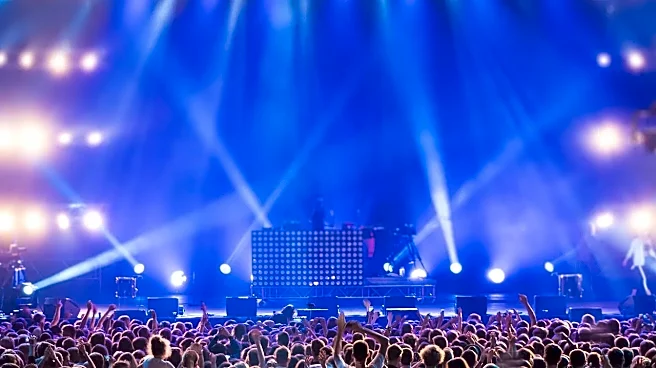
This is the king of context. The establishing wide shot, often taken from high above or the back of the venue, is your first glimpse of the festival's scale. It shows the massive crowd, the epic stage design, and the overall atmosphere. Directors use
this shot to set the scene, especially at the beginning of a set or during a massive audience singalong. It doesn't show the artist's face, but it shows their impact, reminding viewers at home that they're part of a massive shared experience. Without it, a broadcast can feel small and disconnected from the live event.
2. The Front-of-House (FOH) Center Shot
Often called the "best seat in the house," this is the steady, dead-center shot from the sound and lighting booth area. It’s the anchor of any broadcast. This angle provides a clean, unobstructed view of the entire stage, perfectly framed. It's the reliable shot directors cut back to between more dynamic angles. It grounds the viewer, offering a clear and stable perspective that mimics what you’d see if you had the perfect ticket. While not the most artistic shot, its stability is crucial for letting the performance itself be the main focus without disorienting the viewer.
3. The Hero Shot (and the Low Angle)
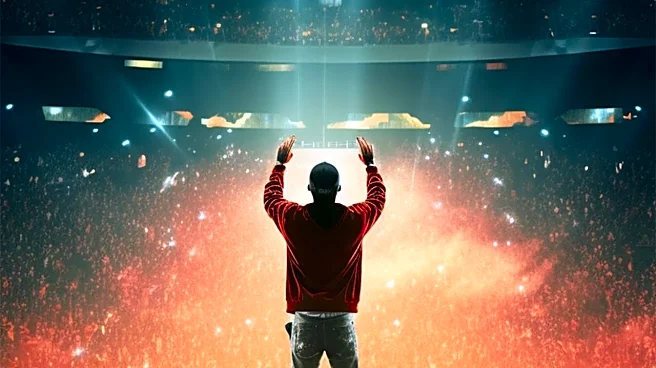
When you want to make an artist look like a rock god, you use the hero shot. This is typically a medium close-up or a full-body shot of the lead performer, often from a low angle. The psychological effect is powerful: shooting from below makes the subject seem dominant, powerful, and larger-than-life. It's the shot that captures the sweat, the passion, and the charisma of the artist. During a guitar solo or a powerful vocal moment, cutting to a low-angle hero shot elevates the performer from a person on a stage to an icon in their element.
4. The Intimate Close-Up
If the hero shot shows power, the close-up shows vulnerability and emotion. A tight shot on a singer's face as they deliver a poignant lyric, or on a guitarist's fingers flying across the fretboard, creates a sense of intimacy that even people in the front row might miss. This angle closes the distance between the home viewer and the artist, forging a direct emotional connection. Directors use this to emphasize the raw feeling behind the music, making a performance in front of thousands feel personal and direct.
5. The Sweeping Jib or Crane Shot
Movement creates energy. A static camera can feel lifeless, but a shot from a jib or crane that sweeps over the crowd and glides across the stage injects a broadcast with dynamism and a cinematic feel. These graceful, fluid movements can reveal the scale of the show, follow an artist across the stage, or build excitement during an instrumental break. A study noted that moving cameras can enhance viewer engagement and immersion more than static ones. It’s a tool that helps transform the broadcast from a simple recording into a visually thrilling experience.
6. The Crowd Reaction Shot
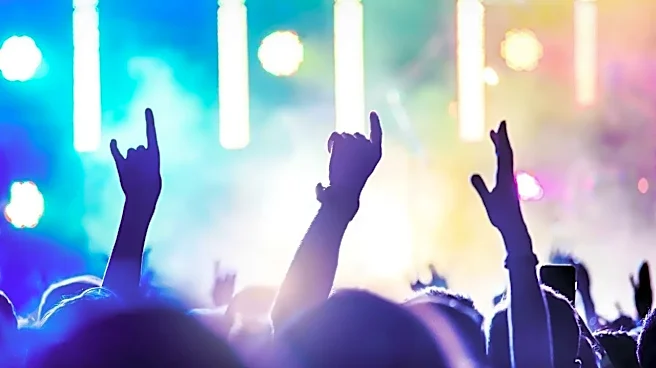
A festival is as much about the audience as it is about the artist. Cutting to shots of the crowd—people singing, dancing, or overcome with emotion—is essential for conveying the communal energy of the event. These shots validate the performance's impact and remind the home viewer of the shared human connection at the heart of live music. It breaks the fourth wall in a way, bridging the gap between the at-home experience and the in-person one by showing that the music is having a real, tangible effect on thousands of people.
7. The On-Stage or POV Shot
For true immersion, nothing beats an on-stage angle. Placing a small camera on a mic stand, the drum kit, or even on an instrument gives the viewer the artist's perspective. This point-of-view (POV) shot puts you right in the middle of the action, creating a sense of immediacy and chaos that can be thrilling. You see the sea of faces from the artist's vantage point or the intricate drum patterns from the drummer's seat. It's a disorienting, exciting angle that provides a unique glimpse into the whirlwind of being on stage.