
The Man in the Crown
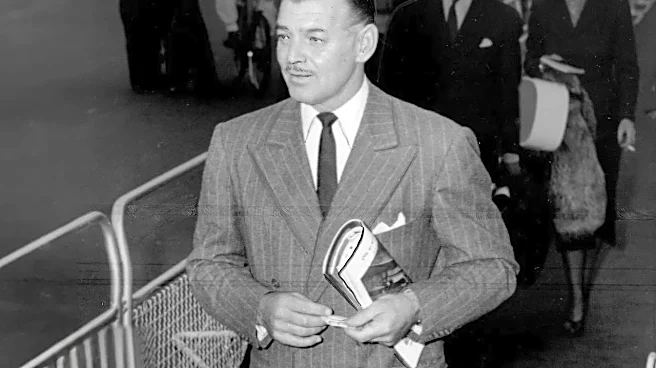
To understand the power of Clark Gable’s final films, you first have to appreciate the larger-than-life persona he spent 30 years perfecting. From the 1930s onward, Gable was the undisputed king of Hollywood.
He was the rugged, masculine ideal: confident, adventurous, and always in control. He won an Oscar for It Happened One Night (1934) and became a global icon as Rhett Butler in Gone with the Wind (1939). His characters were men who got what they wanted, whether it was the girl, the victory, or the last word. This image was so powerful and so profitable that for most of his career, studios had little interest in letting him be anything else. He was Clark Gable, the brand—dependable, bankable, and eternally grinning.
A Crack in the Facade
By the late 1950s, the crown was getting heavy. At nearly 60, Gable was still playing romantic leads, but the effortless charm was beginning to show strain. In It Started in Naples (1960), released just a few months before his death, you can see the old persona and the weary man underneath sharing the screen. Playing a stuffy Philadelphia lawyer who travels to Italy and finds himself sparring with a fiery Sophia Loren, Gable still has the familiar gruffness. But the role also pokes fun at his age and his American rigidity. It's a light comedy, but it hints at a man out of step with the changing world—a theme that would come to define his final, and greatest, performance. He was no longer just the hero; he was a man grappling with his own place in the world.
The Cowboy Who Lost His Way
Then came The Misfits (1961), a film now legendary as the final screen appearance for both Gable and his co-star, Marilyn Monroe. Written by Monroe's then-husband, playwright Arthur Miller, the movie is a melancholy modern Western about aging cowboys who hunt wild mustangs for dog food. Gable played Gay Langland, a cowboy clinging to a romanticized, independent past in a world that no longer has room for him. The role was a brutal deconstruction of the classic Gable hero. All the swagger was still there, but it was curdled with desperation and sadness. In one famous scene, a drunk and broken Gay stumbles through the street, crying out for the children he barely knows. It was a level of raw, exposed vulnerability audiences had never seen from him. Critics at the time and since have called it one of the finest performances of his career, with a startling intensity he had rarely, if ever, shown before.
Art Imitating Life, Tragically
The performance in The Misfits was so powerful because it felt painfully real. The shoot was notoriously difficult, plagued by production delays, scorching Nevada heat, and the personal turmoil of its stars. Gable, a heavy smoker and drinker in declining health, insisted on doing many of his own physically demanding stunts. This included a scene where he was dragged by a horse. The physical and emotional toll was immense. Just two days after filming wrapped, Gable suffered a massive heart attack. He died ten days later, on November 16, 1960, before the film was even released. He never got to see what many, including himself after a private screening, considered the best work of his life. The line between the aging cowboy on screen and the aging star playing him had blurred completely, resulting in a performance that was as much a confession as it was acting.