




The Blueprint Doesn't Exist
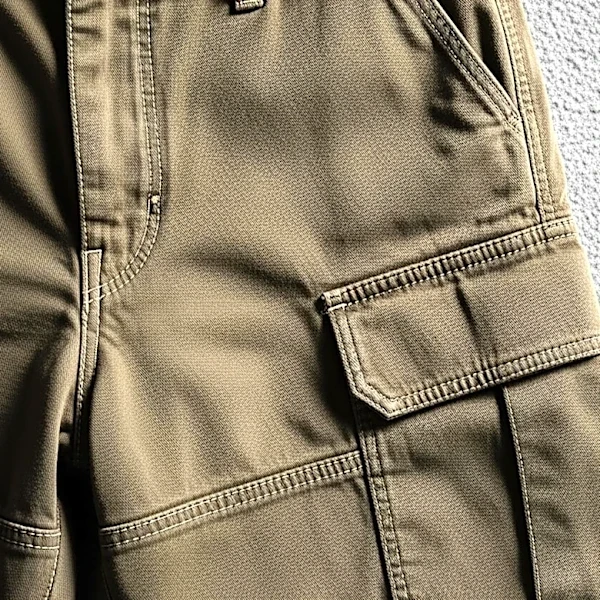
First, forget everything you know about standard dressmaking. Most clothing is made using a “cut-and-sew” method. A designer creates a pattern, lays it over a flat bolt of fabric, cuts the pieces, and sews them together. It’s a process of subtraction
and assembly. An open-knit dress is fundamentally different. You aren't starting with fabric; you are creating the fabric and the garment’s shape simultaneously, stitch by stitch. Whether by hand with a crochet hook or on a complex industrial knitting machine, the designer is building the material from a single strand of yarn. This means every single loop, knot, and space is a design decision. There's no pattern piece for “drape” or “breeziness”—it has to be coded directly into the knitting pattern itself, a process more like architectural engineering than traditional tailoring.
The Battle Against Gravity
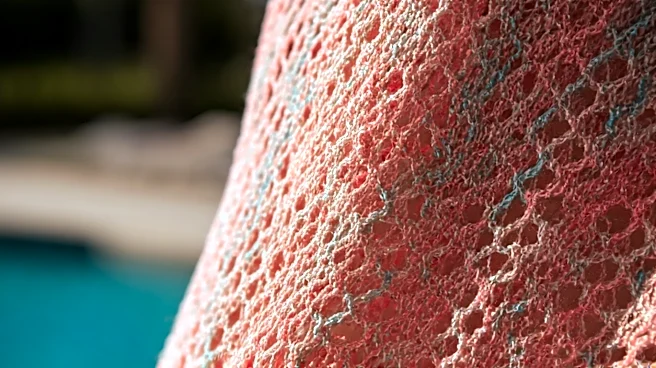
Look at a simple cotton t-shirt. The woven fabric has a tight, stable grid of threads that support each other. An open-knit, by contrast, is a structure defined by its holes. This creates a huge engineering problem: gravity. Yarn, especially natural fibers like cotton or linen used in resort wear, has weight. In an open-knit structure, that weight can cause the dress to stretch, sag, and lose its shape disastrously. A dress that looked perfect on the mannequin could easily become a foot longer and completely shapeless after an hour of wear. Designers have to become material scientists, obsessing over yarn composition, weight, and tension. They might blend fibers (like adding a touch of synthetic for stability), vary the tightness of the knit in different sections to create a supportive internal structure, or design patterns where the stitches lock together to prevent sagging. The perfect, body-skimming fit isn’t an accident; it’s a hard-won victory over physics.
Designing the Negative Space
In an open-knit dress, the holes are as important as the yarn. This is where the true artistry comes in. The designer isn’t just making a dress; they're sculpting with negative space. The size, shape, and placement of the gaps in the knit determine the garment's transparency, texture, and overall aesthetic. It’s a delicate balancing act. The openings need to be large enough to feel light and airy but placed strategically to provide coverage and create a flattering silhouette. Designers often use computer-aided design (CAD) programs to map out these intricate patterns, deciding where a tighter stitch is needed for opacity (like over the bust) and where a looser, more open weave can create visual interest and movement (like at the hem). This requires thinking in 3D from the very beginning, imagining how a flat pattern of holes will curve and stretch over the human body.
The Hand-to-Machine Headache
Many of the most beautiful resort-wear trends start with true handmade crochet pieces. An artisan can make intuitive decisions, adjusting tension and stitch on the fly. But to sell that dress at a major retailer, you have to mass-produce it. Translating the organic, soulful feel of a hand-crocheted item to a programmable industrial knitting machine is a massive challenge. Machines struggle to replicate the unique texture and knot-work of handcrafting. It often requires a specialized—and very expensive—machine that can handle complex stitches and delicate yarns without snagging or breaking them. The process involves intense collaboration between the designer and a knitwear technician to program the machine, run countless samples, and often compromise on the design to make it producible at scale without losing its essence. That “effortless” dress might represent weeks of technical trial and error.