



The Allure of the 'Puddle Hem'
First, let's talk about the look. Stylists and designers often aim for a dramatic silhouette where the fabric of a gown doesn't just touch the floor but pools around the feet in a luxurious 'puddle.' This is known as a puddle hem, and in a static, posed
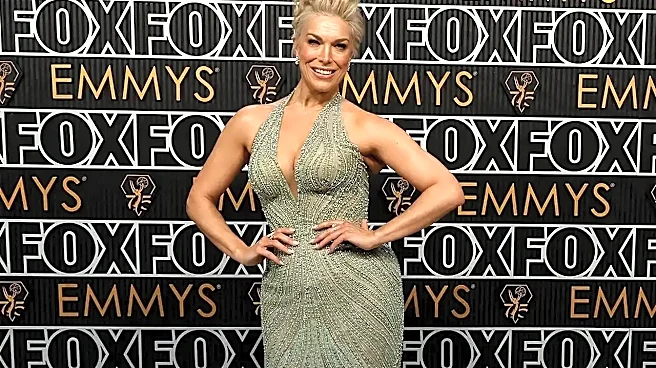
photograph, it’s undeniably stunning. It creates a sense of effortless opulence, making the wearer look as if they are floating in a sea of silk, satin, or crepe. The fabric drapes and folds with an artistic flair that feels intentional and high-fashion. For a red carpet arrival or a magazine spread, this elongated line is pure visual poetry. It suggests that the gown is so new, so perfectly tailored, that it hasn't even been shortened for practical life. The problem is, events like the Emmys involve more than just standing still; they require walking, navigating crowds, and climbing stairs.
The Mistake Hiding in Plain Sight
The mistake is choosing that dramatic puddle hem over a more practical length. While it looks incredible for a photo, a hem that is even a fraction of an inch too long is a recipe for disaster once movement is involved. The excess fabric that creates the beautiful 'puddle' when standing still becomes an immediate obstacle the moment you take a step. It’s a classic case of style over substance that even seasoned celebrities fall victim to. The issue is compounded by the types of shoes typically worn with formal gowns—often pointed-toe stilettos. The sharp point of the shoe is perfectly designed to catch on the delicate inner lining or hem of the dress, creating an instant anchor. What looks like a graceful glide in theory becomes a series of stumbles and awkward adjustments in reality.
The Awkward Kick-and-Shuffle
So, what actually happens when you try to walk in a gown that's too long? You're forced to adopt what stylists and red carpet veterans know as the 'kick-and-shuffle.' Instead of a natural stride, you must subtly kick your foot forward with each step to push the fabric out of the way before your shoe comes down. This prevents you from stepping directly onto the hem, which can cause a trip or even a tear. It’s not elegant, and it’s certainly not comfortable. This unnatural gait can make you look tense and uncertain, undermining the confident, glamorous aura the gown is meant to create. Furthermore, you can't see your feet, making it a constant guessing game. If you need to walk backward or turn quickly, the risk of stepping on your own train and taking a tumble increases dramatically. Jennifer Lawrence's memorable trip at the Oscars is a famous example of how even a seemingly manageable gown can become a hazard.
The Stylist's Secret: Aim for a 'Floor-Kiss'
The solution is simple and precise: tailoring. The ideal length for a formal gown is what’s often called a 'floor-kiss' or 'skimming' hem. The front of the dress should just brush the top of your shoes or graze the floor, but it should not have any excess fabric pooling at your feet. This length preserves the long, elegant line of a floor-length gown without creating a walking hazard. To achieve this, alterations are non-negotiable, and they must be done while wearing the exact shoes you plan to wear for the event. Even a half-inch difference in heel height can completely change where the hem falls. A skilled tailor will ensure the hem is perfectly even, allowing you to walk with confidence and grace. The back can be slightly longer, but the front needs to be clear of your stride. This small adjustment is the true secret to looking as elegant in motion as you do standing still.