

The Birth of the Alternative Nation
In 1991, the idea of a touring festival was almost unheard of in the United States. Perry Farrell, frontman for the creatively explosive band Jane's Addiction, simply wanted to give his group a memorable farewell tour. Inspired by European festivals like
Reading, he envisioned a traveling circus of music, art, and activism. The result was Lollapalooza, a name Farrell reportedly heard in a Three Stooges short. The first tour was a genre-bending anomaly, mashing together industrial rock from Nine Inch Nails, the funk-metal of Living Colour, and the confrontational rap of Ice-T alongside Jane's Addiction's psychedelic anthems. It wasn’t just a concert; it was a cultural village on wheels, complete with political action booths and sideshow performers. By taking the counterculture to the suburbs, Lollapalooza created a shared identity for a generation of disaffected Gen X teens, coalescing them into the so-called "Alternative Nation" just as Nirvana was about to break into the mainstream.
The Wilderness Years and an Identity Crisis
The festival's early success was meteoric. It helped launch bands like Pearl Jam and The Smashing Pumpkins into superstardom. But as alternative rock became the dominant sound on MTV and radio, Lollapalooza became a victim of its own success. The very counterculture it championed was now mainstream, and the festival struggled to maintain its edge. By the late '90s, with Farrell stepping away and the musical landscape fracturing, the touring model became a liability. After a poorly-selling 1997 run and a canceled 2004 revival attempt, the groundbreaking festival went dark, seemingly a relic of a bygone era.
A Chicago Resurrection
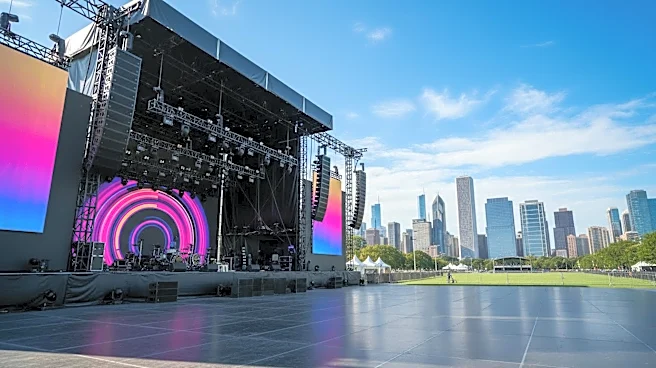
In 2005, Farrell partnered with a new promotion company, C3 Presents, to resurrect Lollapalooza, but with a radical change. Instead of a grueling cross-country tour, the festival would plant roots in one place: Chicago's Grant Park. This shift from a traveling show to a destination festival was transformative. It allowed for grander stages, a more diverse lineup, and a more polished, urban experience. The initial two-day event was a success, proving the brand still held immense cultural cachet. The decision to stay in Chicago turned Lollapalooza from a movement into an institution, a reliable annual pilgrimage set against one of America’s most iconic skylines. Over the years it expanded, first to three days, and then to the four-day format it holds today, becoming a massive engine for tourism and a fixture of the Chicago summer.
From Niche to National Rite of Passage
The modern Lollapalooza is a different beast from its flannel-clad ancestor. While still booking rock acts, its headliners are now just as likely to be pop superstars, hip-hop titans, or EDM giants. The introduction of Perry's Stage created a massive hub for electronic music, while K-pop and global artists now feature prominently. This genre-agnostic approach is the key to its enduring relevance. It’s no longer a festival for one specific subculture; it’s a festival for everyone, reflecting the playlist-driven, algorithm-fed tastes of Millennials and Gen Z. Attending Lollapalooza is a story countless young Americans now understand—saving up for a four-day pass, navigating the massive crowds in Grant Park, and seeing a sprawling menu of today's biggest musical acts all in one weekend. It's a shared experience that has become as much a part of the American summer as blockbuster movies and backyard barbecues.