



The Birth of a Counter-Culture
To understand Camp Flog Gnaw, you have to go back to the late 2000s. Odd Future Wolf Gang Kill Them All, shortened to Odd Future or OFWGKTA, wasn't just a rap group; it was a sprawling collective of skaters, artists, and provocateurs from Los Angeles.
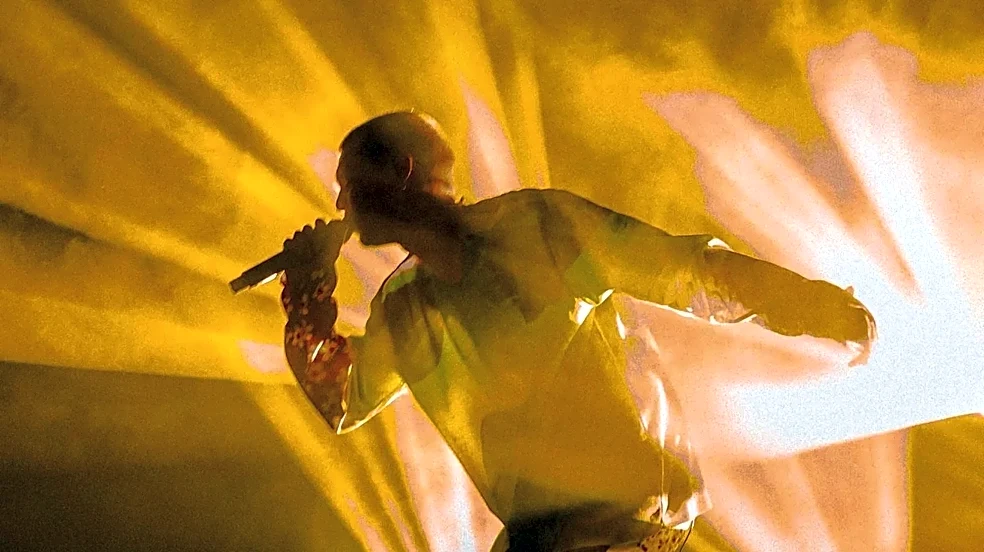
Led by a young Tyler, the Creator, they crashed into the mainstream with a DIY ethos that felt radical in a polished pop landscape. Their music was raw and often controversial, their videos were homemade, and their style was a mash-up of skate culture and bright, clashing colors. They built a cult following on platforms like Tumblr, offering a sense of belonging to kids who felt like outsiders. This wasn't a manufactured brand; it was a group of friends making art, and that authenticity was magnetic.
From Parking Lot Party to Dodger Stadium
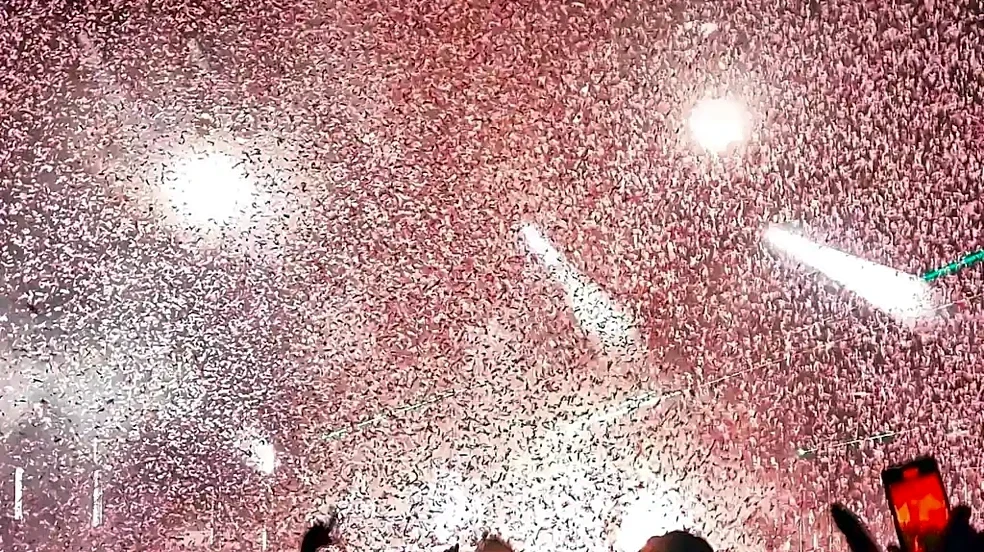
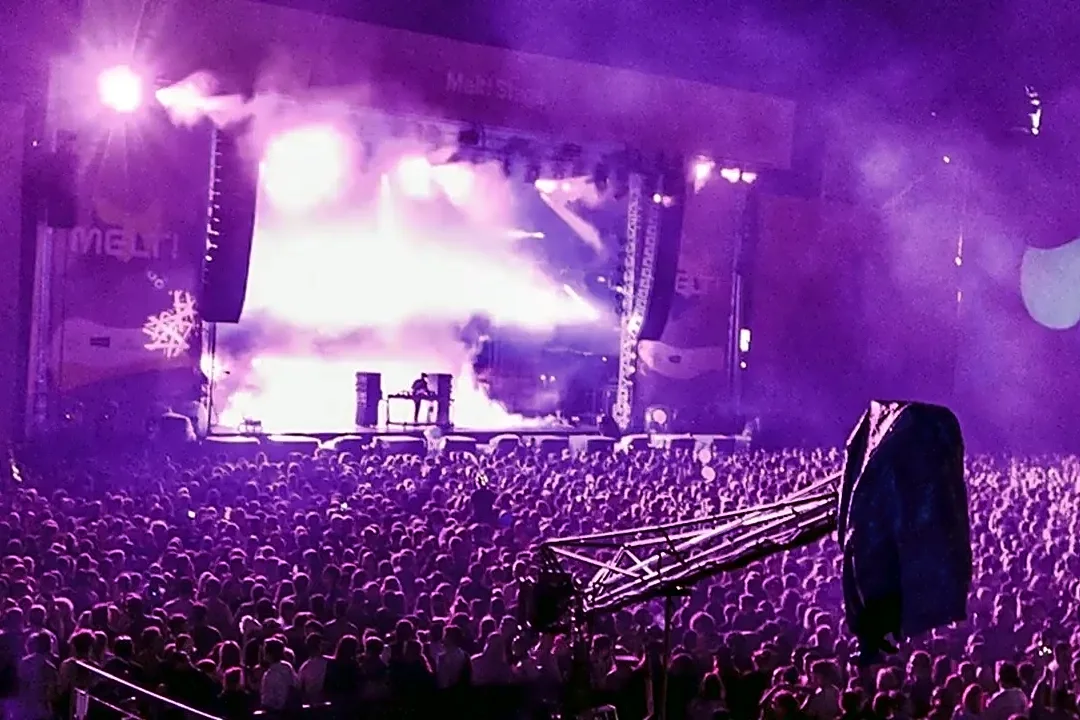
The festival, which would eventually become a cultural phenomenon, started from humble beginnings. In 2012, the first 'OFWGKTA Carnival' was held in the parking lot of a club in Los Angeles, essentially a block party to celebrate the crew's success and wrap up a tour. It featured carnival games, rides, and performances from Tyler's closest friends and collaborators. The name itself, Camp Flog Gnaw, is 'Golf Wang' spelled backward, which in turn is a spoonerism of 'Wolf Gang,' one of Odd Future's monikers. Over the years, as Tyler’s solo career exploded, the carnival grew with him. It expanded from one day to two, moved to the massive grounds of Dodger Stadium, and partnered with industry giants like Goldenvoice. Yet even as it scaled, it never lost its core identity.
An Ethos of Unapologetic Expression
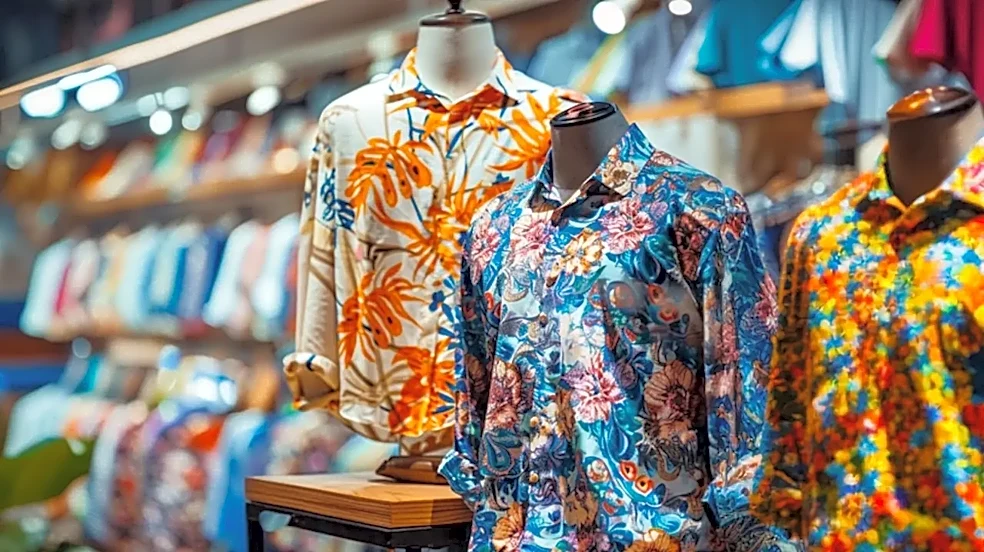
The reason the festival still feels connected to its Odd Future roots is that Tyler, the Creator has meticulously woven the collective's spirit into every aspect of the experience. The 'don't give a fuck' attitude that defined OF is present in the festival's curated chaos. It’s a space that celebrates individuality and weirdness, a value that has been championed since day one. You see it in the fashion, with fans decked out in Golf Wang apparel and other colorful, expressive outfits. You see it in the artist lineups, which blend superstar headliners with eclectic and emerging acts, many of whom are affiliates or spiritual successors to the Odd Future sound. Unlike more generic corporate festivals, Camp Flog Gnaw feels like an extension of one artist's singular, unfiltered vision.
More Than Just Nostalgia
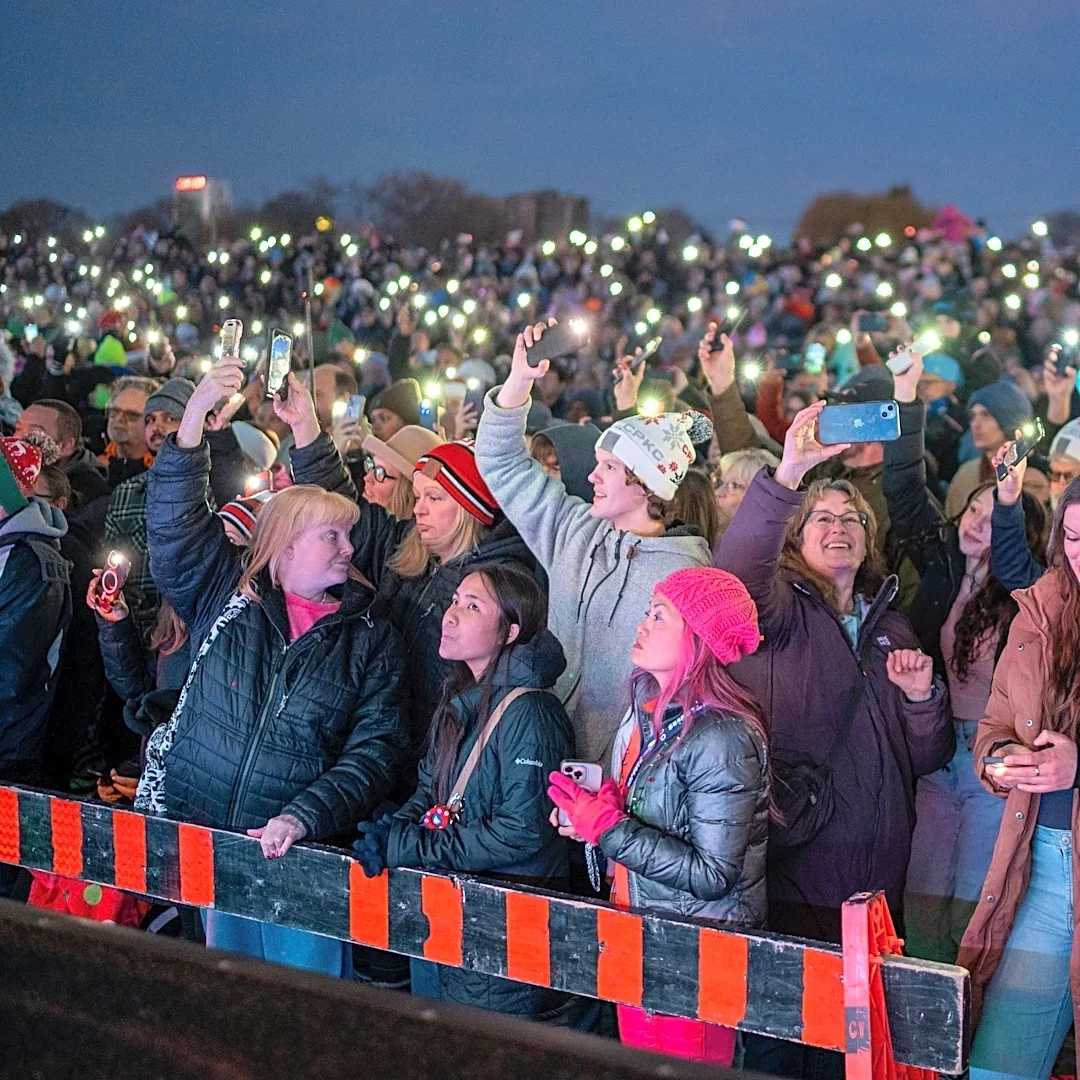
While early fans might feel a sense of nostalgia for the 'Free Earl' T-shirts and the anarchic energy of early OF shows, the festival's resonance goes deeper. It's not just about looking back; it’s about a new generation of fans connecting with the same core values. The ethos of creative freedom, rebellion, and community that Odd Future championed is timeless. The fans who flock to Dodger Stadium today may not have been following the group on Tumblr in 2010, but they are drawn to the same feeling of being part of a tribe that embraces being different. The festival serves as a physical manifestation of that community, a place where, for one weekend, the 'odd future' that producer Pharrell Williams once spoke of—a world for creative kids who don't fit in a box—is fully realized.