


The Loneliness of the Last Defender
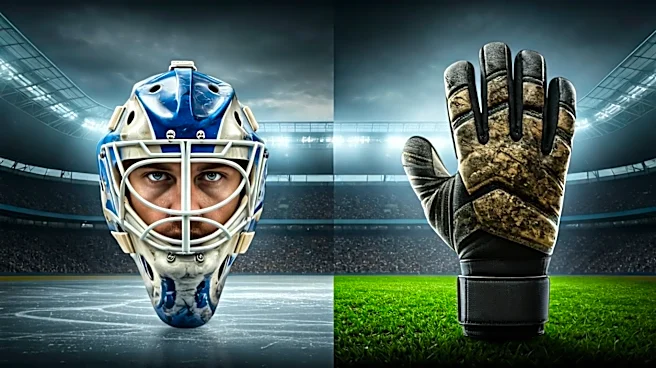
Watch any practice. While skaters run drills in packs and outfield players work on passing formations, two figures are often off to the side, working with a specialist coach. The hockey goalie and the soccer keeper exist on an island. They wear different
gear, follow different rules, and their training focuses on explosive, reactive movements that are the antithesis of the endurance running or line shifts of their teammates. This physical separation fosters a psychological one. During the flow of play, they are observers, detached from the primary action until the moment it comes hurtling toward them. This isolation creates a unique mental space, one where self-talk, focus, and the ability to reset after a mistake are paramount skills that are tested in silence, far from the huddle.
No Place to Hide
A forward can miss an open net. A midfielder can misplace a dozen passes. A defenseman can get beat on a deke. These mistakes are often fleeting, washed away by the next play. But for a goalie or a keeper, a mistake is a number on the scoreboard. There is no ambiguity. The puck is in the net, or the ball has crossed the line. Their errors are the most visible, consequential, and permanent of any player on the field or ice. This creates an immense pressure where perfection isn't just the goal; it's the baseline expectation. A ninety-minute soccer match or a sixty-minute hockey game can be defined by a single second of misjudgment, a bad angle, or a soft rebound. The rest of their stellar performance is forgotten, overshadowed by the one glaring error that everyone sees.
The Unforgiving Mental Game
Imagine standing still for ten minutes, only to be asked to perform a superhuman feat of athleticism with a fraction of a second’s notice. This is the reality for keepers and goalies. Theirs is a game of intense, sporadic bursts of action separated by long stretches of intense observation. Maintaining peak concentration when not directly involved is a monumental challenge. They aren't just watching the puck; they are reading passing lanes, anticipating shot angles, and communicating with their defenders. They are playing a high-speed chess match where the opponent is trying to deceive them. A hockey goalie must track a tiny piece of vulcanized rubber through a forest of skates and sticks, while a soccer keeper must command a massive 18-yard box. Lose focus for a split second, and the game can be lost.
From Goat to Hero in an Instant
No other position in sports swings between the two extremes of hero and goat so violently. A goalie can have a terrible game, letting in three soft goals, but if they stop a penalty shot in the dying seconds or stand on their head during a shootout, they are carried off the ice as a legend. Conversely, a keeper can make ten brilliant saves, but if they fumble the eleventh, a routine shot in the final minute, they become the villain. The position is defined by these binary, game-deciding moments. The penalty shootout in soccer and the overtime period in playoff hockey are arguably the most intense crucibles in sports, and they place the entire weight of the outcome directly on one person’s shoulders. The team’s fate, the fans’ joy, and a season’s worth of work all come down to their ability to perform under the brightest, most unforgiving lights.