




Perfect Timing, Perfect Storm
On October 31, 2010, while kids were trick-or-treating, AMC rolled the dice. Instead of treating Halloween as a night where everyone is too busy for TV, the network gambled that a horror series was the perfect nightcap. It was a brilliant, audacious move.
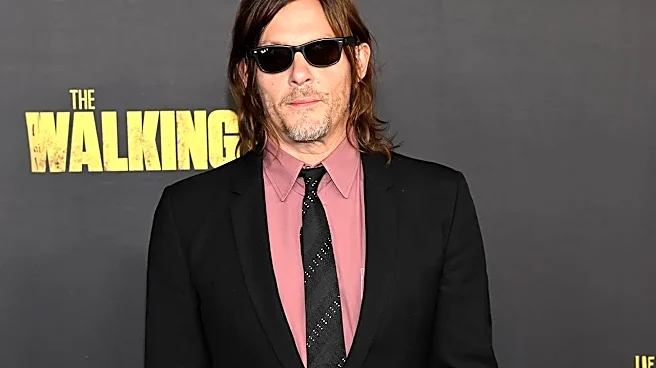
The premiere of 'The Walking Dead' wasn't just another show debuting in the fall; it was an event designed to own a specific cultural moment. It attracted 5.3 million viewers, making it the biggest original series debut in AMC's history at the time. The genius was in leveraging an existing mood. The audience was already primed for scares, and the show delivered a cinematic, high-quality horror experience that felt more like a feature film than a basic cable drama. By launching on Halloween itself, 'The Walking Dead' announced it wasn't just a show with zombies; it was the definitive Halloween show.
More Than a Date, It's a Mood
A Halloween premiere is a great hook, but the show's success teaches a deeper lesson: it's about capturing a seasonal atmosphere. The aesthetic of 'The Walking Dead'—the decaying rural landscapes, the muted colors, the sense of a world winding down—perfectly mirrors the feeling of late autumn. The marketing campaigns in subsequent years leaned into this, building anticipation throughout October. The show became synonymous with crisp fall air and lengthening nights. It didn't just air in the fall; it felt like fall. This created an emotional and sensory connection with the audience that went beyond the plot. While other shows compete with a packed fall schedule, 'The Walking Dead' created its own lane by turning its genre into a seasonal ritual, transforming Sunday nights into a can't-miss event for its core demographic of 18-to-49-year-old viewers.
Building a Modern Television Ritual
The masterstroke of 'The Walking Dead' was transforming its October premiere from a one-time gimmick into an annual tradition. For years, fans knew that as summer ended, a new season of 'TWD' was just around the corner. This consistency built a powerful sense of viewer loyalty and habit, akin to the start of football season. Sunday nights in the fall became 'Walking Dead' nights. The show and its network, AMC, nurtured this with massive marketing pushes, fan events, and relentless social media engagement that made each premiere feel like a major cultural event. It proved that in an increasingly fragmented media world, a broadcast series could still create a collective, week-to-week viewing experience if it was anchored to a specific time and feeling. The show became a fixture, a reliable part of its fans' annual entertainment calendar.
Can Streaming Recreate the Magic?
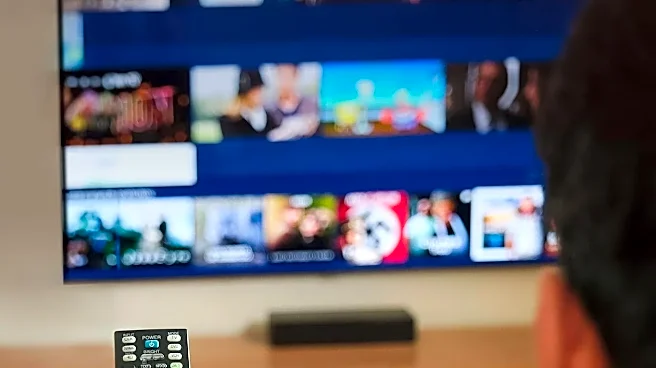
The television landscape in 2026 is vastly different from 2010. The 'all-at-once' binge model of streaming services like Netflix has largely replaced the weekly appointment viewing that 'The Walking Dead' perfected. A show that drops every episode on a Friday in October can be consumed over a single weekend, making it harder to 'own' the entire month. Yet, the core lessons remain. Successful genre shows still often aim for a fall release to tap into that seasonal mood. The strategy has evolved: it's now less about a single premiere night and more about becoming the season's must-watch title. While no streaming show has replicated the specific Sunday-night ritual of 'TWD,' the principle of aligning a launch with a cultural moment persists. The challenge for streamers is to turn a weekend obsession into a season-long conversation, something the weekly model did naturally.