


The Stage: A Bitter Rivalry
It was June 27, 2010, in Bloemfontein. The World Cup Round of 16. The teams: England and Germany, two of international soccer’s fiercest rivals. For England, it was a chance for their so-called “golden generation” to finally deliver. For Germany, it was a young,
dynamic team looking to make its mark. The match started with devastating efficiency from the Germans. Goals from Miroslav Klose and Lukas Podolski put them up 2-0 after just 32 minutes, and it looked like England was headed for a humbling exit. But then, a flicker of hope. Defender Matthew Upson headed in a goal in the 37th minute to make it 2-1. Suddenly, England had life and the momentum was shifting.
The Shot Heard Round the World
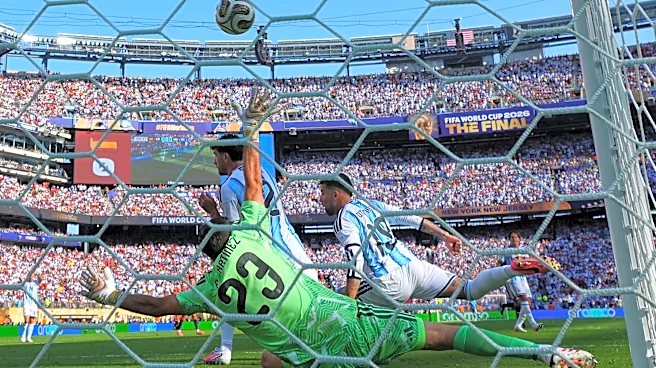
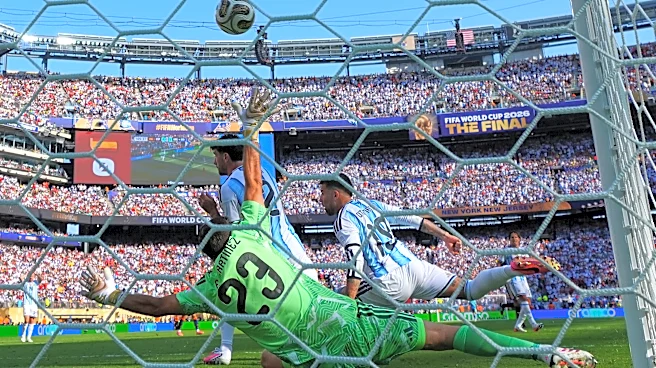
Just 60 seconds after Upson’s goal, the ball broke to England midfielder Frank Lampard on the edge of the box. He struck it perfectly. The ball looped over German goalkeeper Manuel Neuer, slammed into the underside of the crossbar, and bounced down. To the millions watching on television, it was undeniably a goal. The ball had clearly crossed the line by a good two feet before spinning back out into play. England's players began to celebrate what they believed was the equalizing goal, a stunning comeback to make the score 2-2 just before halftime.
The Moment of Controversy
But the celebration was premature. Uruguayan referee Jorge Larrionda waved play on. His assistant, Mauricio Espinosa, had not flagged for a goal. Neither official was in a position to see that the ball had crossed the line. The German players, led by Neuer who quickly grabbed the ball and played on, took advantage of the confusion. The English players were incensed, surrounding the referee in protest, but the decision stood. The score remained 2-1. Replays shown on the stadium's big screens confirmed the massive error, sparking outrage among fans. Though Germany would go on to win the match convincingly 4-1, the game was forever defined by that single, glaring mistake in the 38th minute.
A Stubborn Resistance to Tech
The Lampard 'ghost goal' didn't happen in a vacuum. The debate over using technology to aid referees was already simmering. For years, FIFA and its then-president Sepp Blatter had staunchly opposed it. Just months before the World Cup, in March 2010, the International Football Association Board (IFAB) had voted against pursuing goal-line technology. Blatter argued that it was too costly and not universally applicable, and that human error and the subsequent debates were part of the fabric of the game. He wanted to preserve the “human side” of soccer, even if it meant accepting clear and obvious errors on the world's biggest stage.
The Inevitable U-Turn
Lampard’s disallowed goal was the final straw. The incident was too high-profile, the error too egregious to ignore. The global outcry was deafening. Just two days after the match, Sepp Blatter performed a stunning reversal. He publicly apologized to England for the mistake and announced that FIFA would reopen the discussion on goal-line technology. He admitted it would be “a nonsense” not to reconsider after such an incident. The sheer scale of the controversy had forced the hand of soccer’s most powerful and traditionalist organization.
The Legacy: A Game Transformed
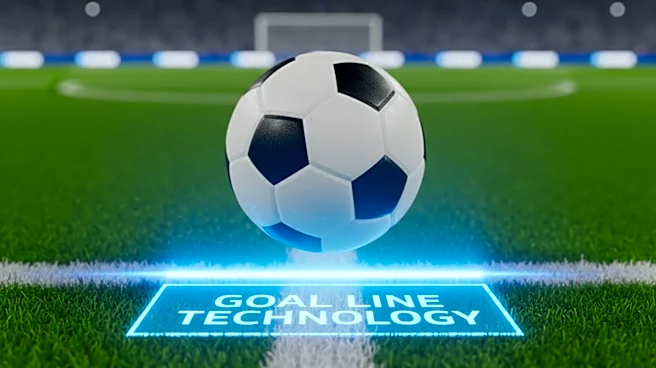
That moment in Bloemfontein was the definitive catalyst. In July 2012, after two years of testing, IFAB officially approved goal-line technology. It was first used in a FIFA competition at the Club World Cup in December 2012 and made its full World Cup debut in Brazil in 2014, where it successfully intervened to award a goal for France. Systems like Hawk-Eye, using a series of high-speed cameras, now provide referees with an immediate, definitive answer, sending a signal to their watch within a second of the ball crossing the line. While it couldn’t undo the result for England in 2010, Frank Lampard's phantom goal ensured that future generations wouldn't suffer the same fate.