


The ‘Festival of Festivals’
When TIFF launched in 1976 as the “Festival of Festivals,” the vibe was decidedly more about the movies than the clothes. Its mission was to bring the best films from other global festivals to Toronto audiences. For years, it cultivated a reputation as a serious,
accessible, and audience-focused event—a stark contrast to the industry-heavy, high-glamour spectacles of Cannes or Venice. The red carpets were less about million-dollar looks and more about filmmakers and actors connecting with famously receptive Canadian crowds. The focus was squarely on the art, with fashion being a pleasant but secondary consideration.
The Oscar Bellwether Effect
The turning point for TIFF’s ascent into the fashion stratosphere was its growing reputation as an Oscar predictor. The festival’s People's Choice Award, voted on by the public, began to consistently forecast Best Picture nominees and winners, starting with “Chariots of Fire” in 1981. This trend solidified in 1999 when “American Beauty” premiered at TIFF, won the audience award, and went on to win Best Picture. Suddenly, a premiere in Toronto wasn’t just a screening; it was the unofficial start of a months-long awards campaign. This transformation meant that the world’s biggest stars—and their stylists—had to be there. And they had to bring their A-game, because the photos taken in Toronto in September would be seen all the way through to the Oscars.
A Different Kind of Red Carpet
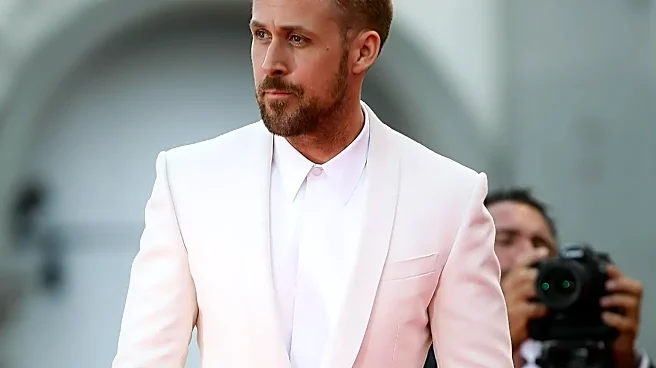
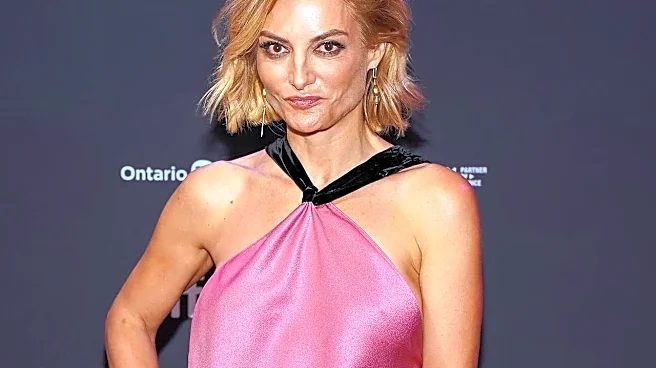
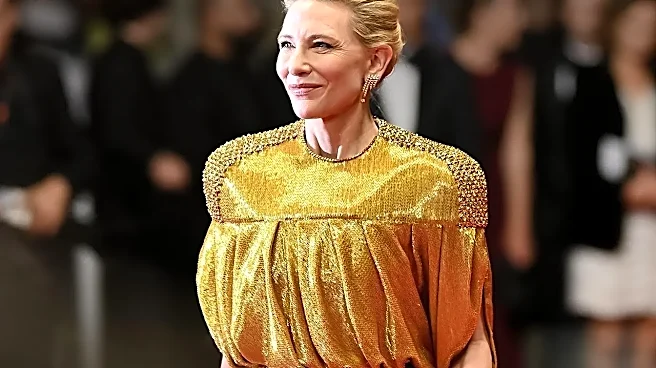
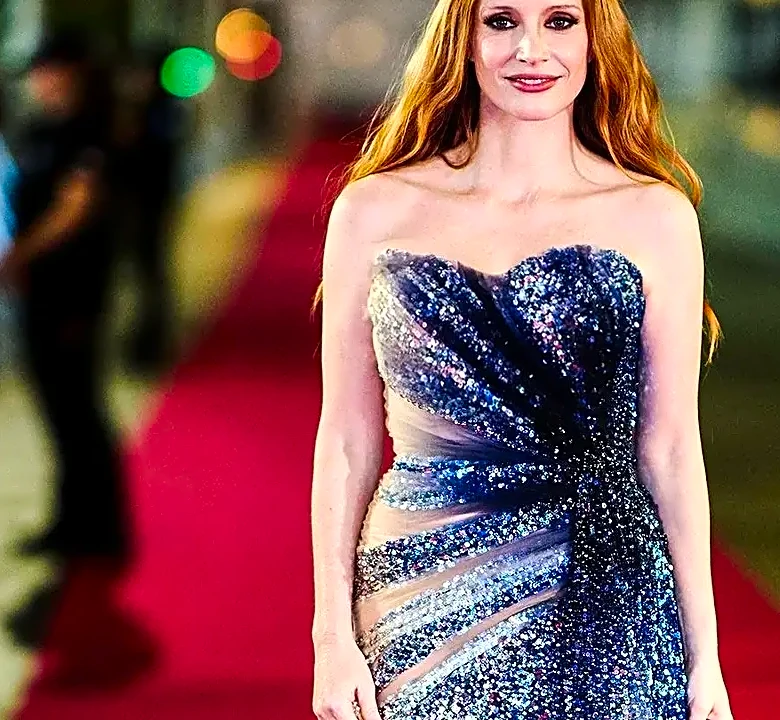
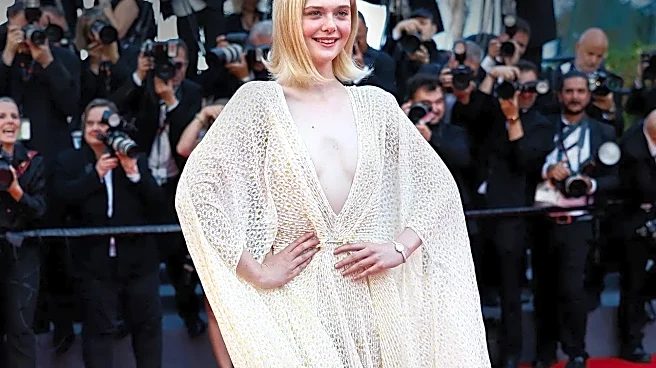
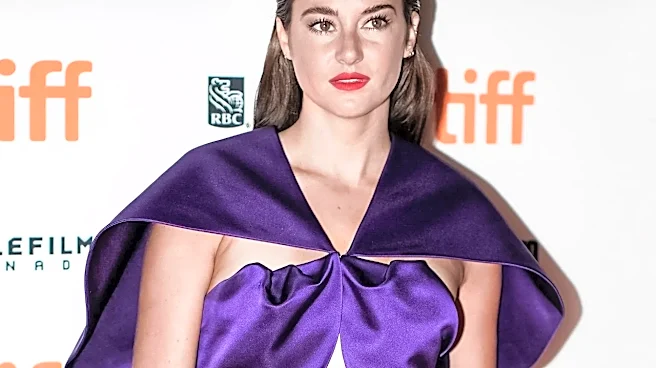
Even as the glamour quotient rose, TIFF’s red carpet maintained a distinct identity. Unlike the rigid formality of European festivals, Toronto’s style scene developed a reputation for being slightly more relaxed and personality-driven. It became a space where stars could experiment. The proximity of the fans to the red carpet created a unique, high-energy atmosphere that felt less like a stuffy industry event and more like a massive premiere party. This accessibility, combined with its crucial placement in the awards calendar, created a perfect storm. Designers and fashion houses realized that dressing a star for TIFF offered a different kind of exposure—one that felt both prestigious and refreshingly modern. Today, the festival competes with New York Fashion Week for attention, a testament to its sartorial significance.
The Modern Fashion Powerhouse
In recent years, TIFF has solidified its status as a can’t-miss fashion event. The 2026 festival, for instance, saw stars like Ayo Edebiri in Chanel Couture and Blackpink's Lisa in a show-stopping Louis Vuitton look that generated massive online buzz. This follows years of iconic moments, from Lady Gaga’s dramatic Armani Privé gown for “A Star Is Born” in 2018 to Jennifer Lopez’s unforgettable golden Maison Yeya dress for “Hustlers” in 2019. Today, a major premiere at TIFF is a carefully orchestrated fashion moment, with stylists, brands, and stars collaborating to create looks that will dominate headlines. What was once an afterthought is now central to the festival's global identity, proving that in the modern movie business, the film and the fashion are inextricably linked.