




The King of Dandies Sets the Tone
To understand the hats, you first have to understand the clothes. Royal Ascot, a multi-day horse racing event founded by Queen Anne in 1711, has always been a high-society affair. But it was the famous 19th-century dandy, Beau Brummell, who cemented its
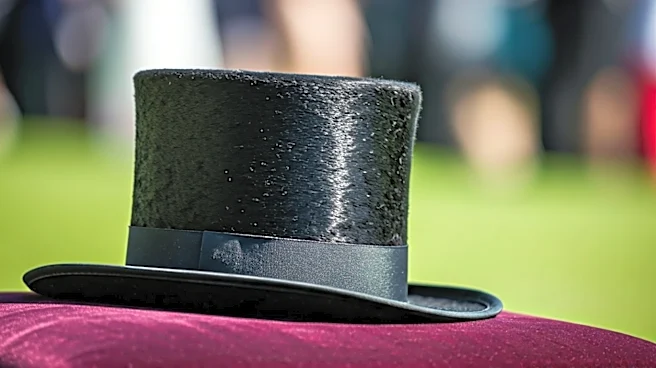
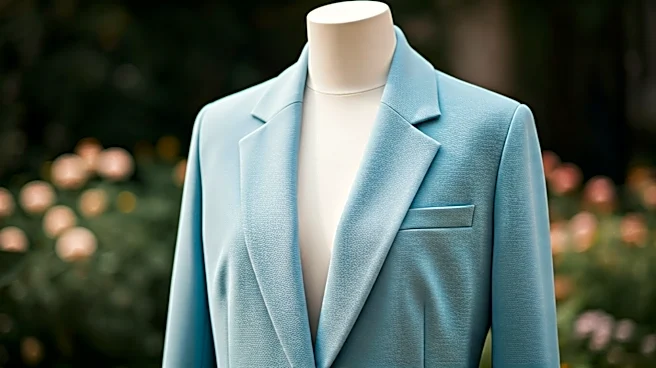
connection to fashion. A close friend of the future King George IV, Brummell dictated that men attending the royal gathering must wear a uniform of waisted black coats and white cravats. This wasn't just a suggestion; it was a rule for entry into the inner circle. Brummell’s decree established a powerful precedent: at Ascot, clothing wasn't just personal expression, it was a prerequisite for access. This simple act of sartorial gatekeeping laid the groundwork for the elaborate dress codes that define the event today, setting a stage where what you wear explicitly signals where you belong.
The Rules of the Royal Enclosure
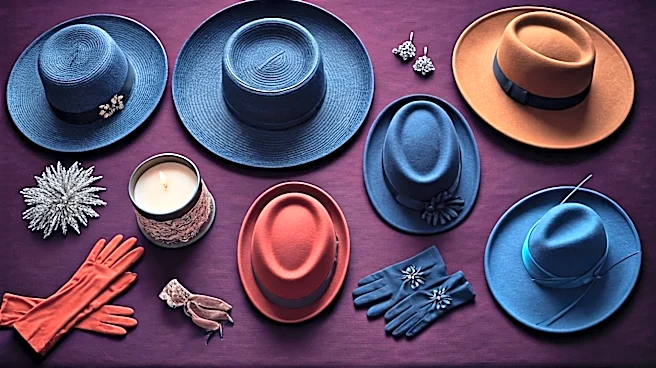
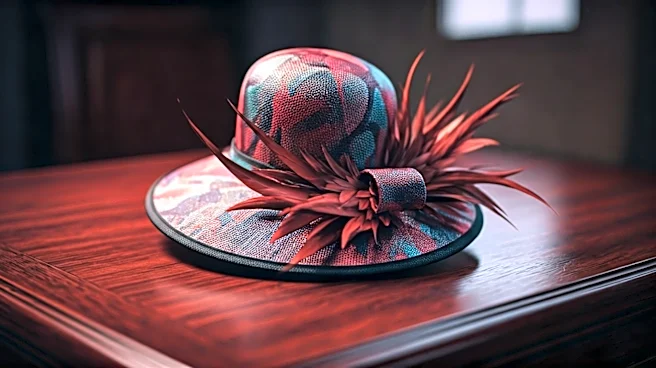
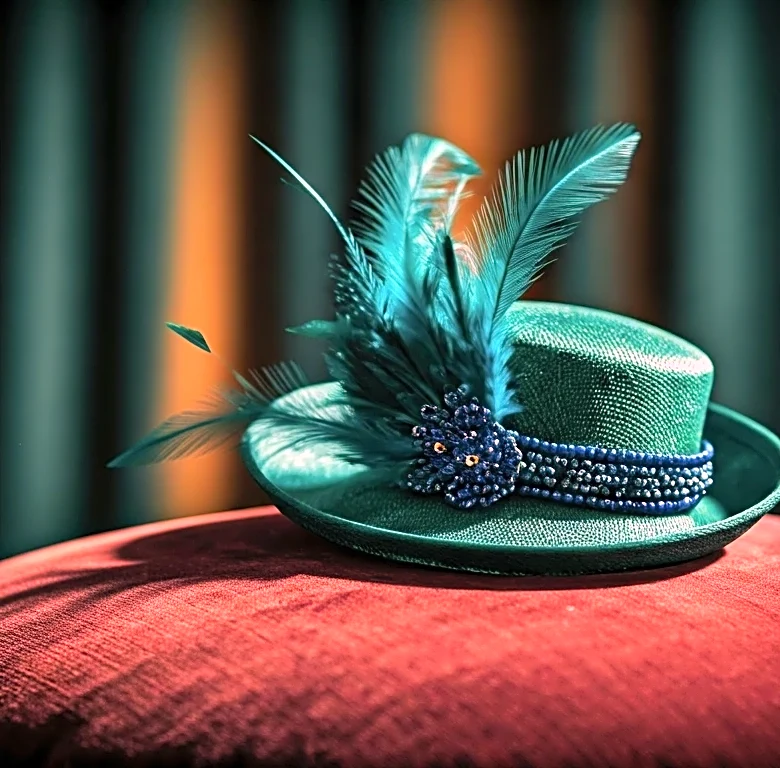
Nowhere is this clearer than in the Royal Enclosure, the most exclusive and prestigious area at the racecourse. Getting in requires being sponsored by two existing members, and once you’re there, the rules are non-negotiable. For women, this is where the hat becomes more than an accessory—it becomes a mandate. The official dress code stipulates that a hat must be worn. Headpieces are permitted, but they must have a solid base of 4 inches (10cm) or more in diameter. This single rule effectively outlaws the smaller, more subtle fascinators popular at other British events, forcing attendees into the realm of proper, substantial millinery.
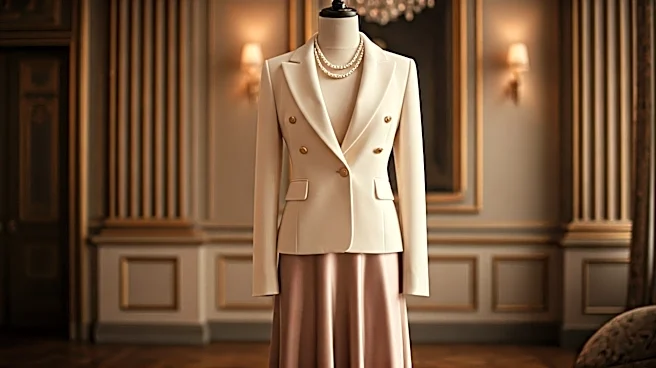
Even dresses and tops are policed, with rules on strap widths (one inch or greater), midriff exposure (forbidden), and hemlines (modest). For Americans accustomed to more relaxed event attire, the level of specificity can seem archaic. But the system is the point. The rules create a distinct visual language, instantly separating the Royal Enclosure from the other, slightly more relaxed areas like the Queen Anne Enclosure, which has its own (but different) set of hat requirements.
From Mandate to Masterpiece
This is where things get interesting. Human creativity thrives under constraints, and the strict hat rule at Ascot proves it. Instead of stifling style, the mandate ignited a fashion arms race. If you *have* to wear a hat, why not wear one that makes a statement? Over the 20th century, high society women, royals, and celebrities began using the mandated hat as a canvas for personality, wealth, and high fashion. It became a way to stand out within a field of rigid conformity.
Suddenly, the pre-Ascot commissioning of a bespoke hat from a top London milliner like Philip Treacy or Stephen Jones became a ritual in itself. The hat wasn't an afterthought; it was the main event. It could be a symbol of avant-garde taste, a flash of witty humor (hats shaped like teacups or cheese boards are not unheard of), or a display of classic, old-money elegance. The media latched on, and “Ladies' Day,” traditionally the Thursday of the meet, became less about the horses and more about the headwear.
The Modern Spectacle
Today, the hat’s role as a status symbol at Ascot is amplified by social media. A photograph of a perfectly executed, rule-abiding yet jaw-dropping outfit can go viral, turning attendees into micro-influencers and milliners into stars. Members of the Royal Family, particularly the Princess of Wales, are watched closely. Their choice of hat is dissected by fashion critics and often sets the tone for the entire week. Is it a bold statement or a subtle nod to tradition? Is it from a new designer or a trusted favorite? The hat tells a story.
What began as a simple rule intended to enforce decorum has evolved into the event's most defining and celebrated feature. It’s a perfect storm of social hierarchy, creative expression, and commercial opportunity, all balanced on a 4-inch base.