







It Started with the Fans
To understand why CMA Fest works, you have to know its history. It didn't start as a slick, corporate festival. It began in 1972 as “Fan Fair,” a humble gathering at the Municipal Auditorium where 5,000 fans could meet their favorite country stars. The
concept was radical for its time: an event built entirely around artist-fan interaction. That DNA is still the festival’s backbone. While other music festivals focus on discovery or a curated vibe, CMA Fest’s primary goal has always been to close the gap between the people on stage and the people in the crowd. This fan-first ethos prevents it from feeling like a faceless cash grab and grounds it in a sense of community that other large-scale events struggle to replicate.
A Vacation for Every Budget
For the hundreds of thousands who descend on Nashville, CMA Fest is a genuine vacation. A key reason it succeeds is its tiered structure. You don’t need a four-figure budget to have a good time. Dozens of free stages dot the city, from the huge setup on the Cumberland River to smaller stages on Broadway. For four days, you can wander from show to show, seeing a mix of legendary acts, current hitmakers, and rising stars without spending a dime on tickets. This turns the entire downtown core into an accessible, sprawling festival ground. For those wanting the premium experience, a four-day pass grants access to the nightly concerts at Nissan Stadium, featuring country music’s biggest A-listers. This blend of free and ticketed events allows attendees to customize their trip, treating it as a budget-friendly city break or an all-in, premium music experience.
Nashville's Annual Check-In
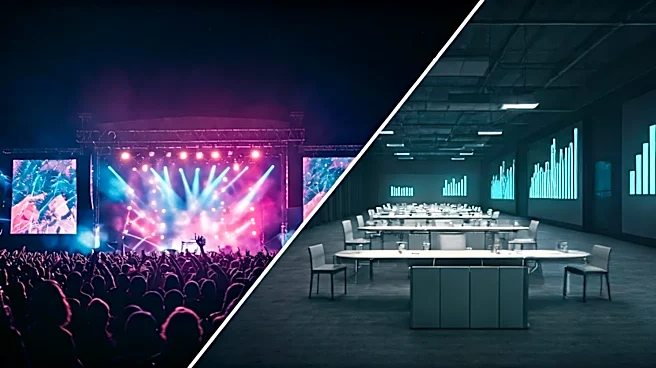
While fans are taking selfies and singing along on Broadway, the music industry is hard at work just a few blocks away. For label executives, publishers, agents, and managers from Nashville, New York, and L.A., CMA Fest is an essential industry summit. It serves as an annual, real-time focus group. They see firsthand which new artists connect with a crowd, which songs get the biggest reactions, and what trends are bubbling up from the genre’s most dedicated consumers. Beyond the informal research, the week is packed with showcases, panels, and networking events. It's where deals are quietly discussed, partnerships are formed, and the entire industry takes its own temperature. The palpable energy of the fans validates the industry's investment, making it more than just a conference—it's a vibrant, living confirmation of country music's commercial and cultural health.
The Secret Ingredient: Artists Play for Free
Here’s the part that makes the whole model click. The artists—from the stadium headliners to the newcomers on the side stages—don't get paid for their performances. Instead of a paycheck, they receive something arguably more valuable: unparalleled access to their core audience and a massive media platform. Every major country outlet is there, providing a firehose of press opportunities. But the real reason they do it is the philanthropic engine at the festival’s heart. All net proceeds from CMA Fest are funneled into the CMA Foundation, which supports music education programs across the United States. Since 2006, it has invested over $30 million. This charitable component gives the entire event a sense of shared purpose. Fans know their ticket money supports a good cause, and artists can justify giving their time freely, creating a goodwill loop that is central to the festival's success and positive atmosphere.
The City Is the Venue
Unlike festivals like Coachella or Bonnaroo, which take place on isolated plots of land, CMA Fest’s venue is the city of Nashville itself. The festival isn’t just *in* Nashville; it *is* Nashville for a week. The main artery of Lower Broadway becomes a pedestrian mall of music stages and sponsor tents. Attendees aren’t confined to a field; they are exploring a destination. They can dip into the historic Ryman Auditorium, visit the Country Music Hall of Fame and Museum, or eat at a restaurant a block away from a free concert. This integration makes the “vacation” part of the equation feel authentic. You’re not just attending a festival; you’re experiencing the city that is the heart and soul of the music you love, which deepens the connection for everyone involved.