






The Runway as a Beauty Laboratory
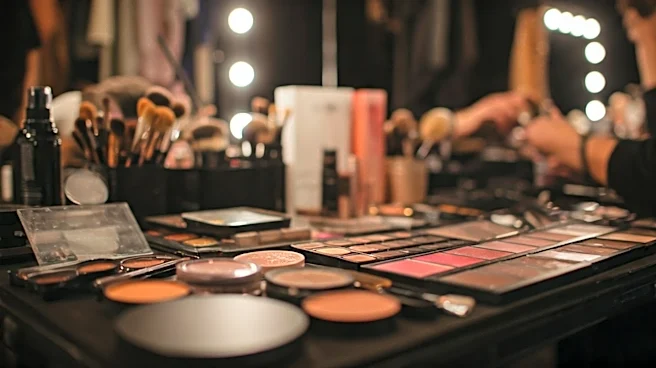
Forget sterile labs with beakers and white coats. The real innovation in beauty often happens on a folding chair surrounded by hairspray clouds and the frantic energy of New York or Paris Fashion Week. Backstage is a high-stakes testing ground where the world’s
top makeup artists are tasked with creating a look that not only complements a designer’s collection but also creates a memorable, photographic moment. Under intense time pressure, these artists—think visionaries like Pat McGrath or Gucci Westman—don't just apply makeup; they invent. They might mix five different pigments to create a unique lip color, crush pearlescent eyeshadow into a facial oil for an otherworldly glow, or use a non-beauty item to achieve a specific texture. This is where trends are born not by committee, but through necessity and artistic genius. Brands often sponsor these events, giving artists pre-release versions of products to test in a real-world, high-performance environment. If a new foundation formula can survive the hot lights and quick changes, it’s ready for the public.
The 'Big Look' and Its First Exposure
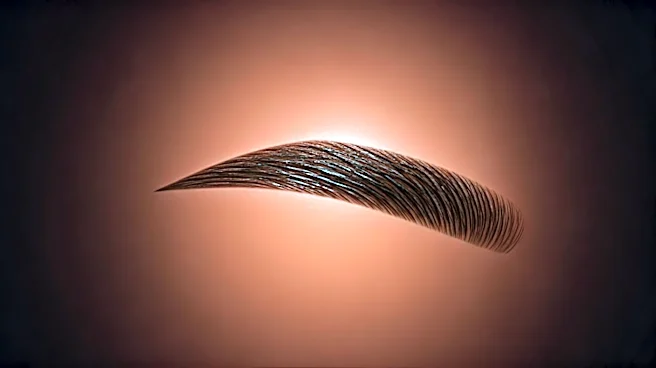
Once the look is set, it hits the runway. In the past, this was a relatively closed loop. A few dozen photographers and editors would see the show, and the images would appear in magazines a month or two later. The runway look itself is often an exaggerated, almost theatrical version of the final trend. If the consumer trend will be a subtle dewy glow, the runway version might be a model’s face literally slicked with gloss. This extremity is intentional; it’s designed to be powerful and readable from a distance and in photographs. The key look—a specific graphic eyeliner, a bold diffused blush, or a uniquely textured brow—becomes the show’s beauty signature. It’s the first public-facing piece of the puzzle, an aspirational concept that plants the seed of an idea.
The Social Media Accelerator
This is where the entire timeline has been supercharged. The days of waiting for a monthly magazine are long gone. Today, the moment a model walks the runway, the look is being broadcast globally in real-time. Editors post to Instagram Stories, makeup artists share detailed breakdowns of their key products on TikTok, and models post backstage selfies. This immediate, multi-angle exposure creates instant buzz. A look can go viral before the show has even finished. This digital deluge bypasses traditional media gatekeepers, allowing the public to see and react to the trend instantly. Influencers and beauty enthusiasts then begin the process of interpretation, creating tutorials on how to achieve a more wearable, everyday version of the high-fashion look. They decode the concept for the masses, translating “avant-garde” into “aspirational but achievable.”
From Niche Buzz to Your Shopping Cart
Beauty brands are watching this entire process with a hawk’s eye. The viral buzz acts as free, real-time market research. They see which looks generate the most excitement and conversation. If a specific “cloud skin” effect created backstage with a custom-mixed concoction gets rave reviews, you can bet that brands are already working to bottle that effect. This leads to a wave of product development aimed at making the trend easy to replicate. Soon, you’ll see primers marketed for a “soft-focus finish,” foundations with “light-diffusing particles,” and setting powders that promise a “cashmere matte” look. The trend that began as an artist’s improvisation is now a product category. The names themselves—like “glazed donut skin”—are often coined in the social media frenzy, providing brands with ready-made marketing language that consumers already understand and desire. The final step is you, seeing the product at Sephora or in a targeted ad, feeling it’s the perfect solution for a look you’ve been seeing everywhere.