




The Myth of the Raging Speech
We’ve all seen it in the movies: a coach, veins popping, screaming at his team before they burst back onto the field, newly inspired and ready to conquer. While passionate speeches certainly have their place, the reality of a modern professional halftime
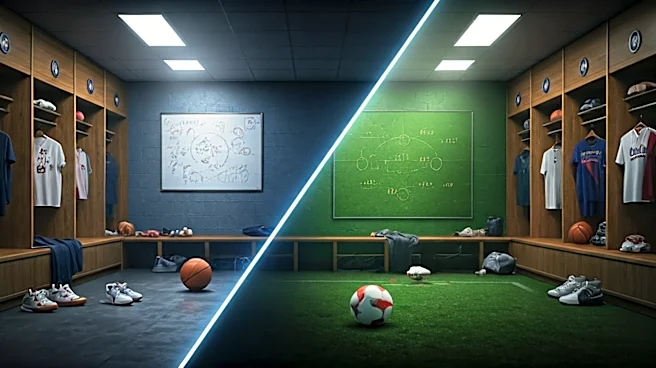
is far more calculated. A 15-minute break (roughly 13 in the NBA, 15 in the World Cup) is precious, and wasting it on pure emotion is a luxury most elite coaches can't afford. Instead, think of halftime as a compressed, high-pressure business meeting. The goal isn't just to motivate; it's to diagnose, problem-solve, and implement a new plan in real-time. The emotion is the seasoning, not the main course. The real work is about information, not just inspiration.
The NBA: A High-Speed Data Download
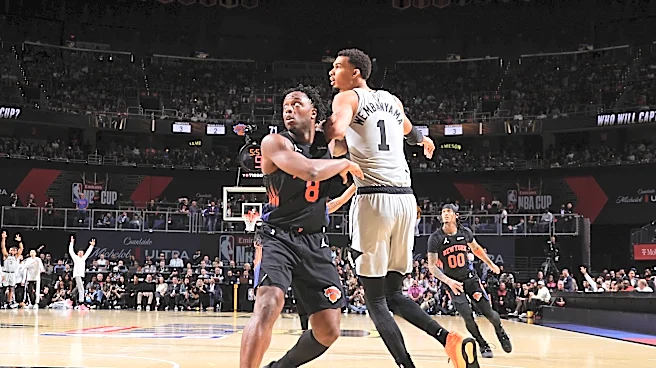
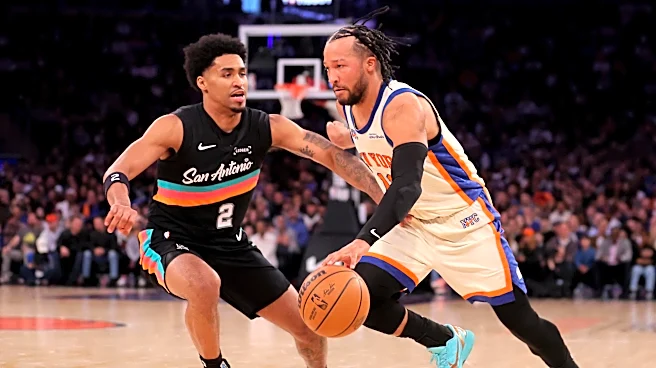
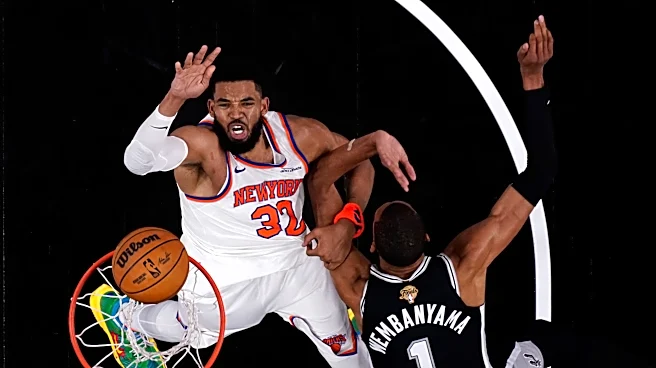
In the NBA, the game is a frantic series of possessions. A 13-minute halftime is an eternity by comparison, and teams use every second. Assistant coaches, often assigned to specific tasks like offense or defense, are already clipping video before the players even sit down. They’ll have two or three key plays ready to show the team on a monitor—not a full highlight reel, but specific examples of what’s going wrong or what can be exploited. For instance, is the opponent's pick-and-roll defense lazy on the weak side? Is a star player getting double-teamed in a predictable way? The adjustments are often granular. Coaches might tweak a screen angle, change a defensive matchup, or call a specific set play to run on the first possession of the third quarter to get an easy basket and build confidence. It’s a fast, furious download of actionable data designed for a game of constant action and reaction.
The World Cup: A Strategic Chess Match
If NBA halftime is a data sprint, World Cup halftime is a strategic reset. In soccer, the coach is largely a spectator once the whistle blows. They can't call a timeout to stop the opponent's momentum. Halftime is their one guaranteed opportunity to directly influence all eleven players at once. The focus is broader and more structural. Are we losing the midfield battle? Is their winger getting too much space behind our fullback? The adjustments are often about formations and space. A coach might switch from a 4-4-2 to a 4-3-3 to add an extra man to the midfield, or instruct his team to press higher up the pitch. Substitutions are a massive part of the halftime calculus. A coach might bring on a faster player to exploit a tired defender or a more defensive-minded player to protect a one-goal lead. It’s less about individual plays and more about changing the entire tactical shape of the game for the next 45 minutes.
Beyond the Whiteboard: The Human Element
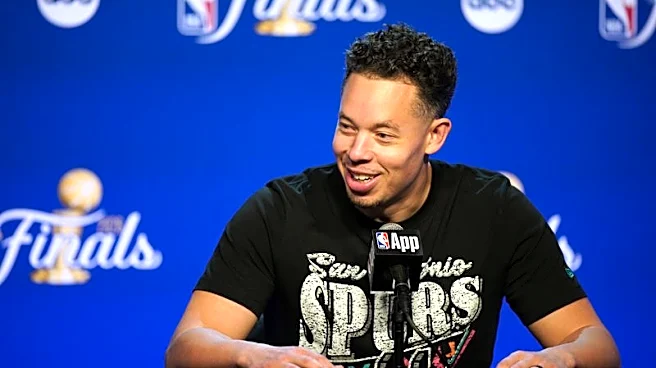
Beneath the tactical layers, halftime is still about people. The first few minutes are often dedicated to the players. They need to catch their breath, rehydrate, and get feedback from their teammates. Medical staff are assessing minor knocks and deciding if a player can continue. The coaches need to read the room. Is the team panicked after giving up a late goal? They need to be calmed. Is the team playing flat and without energy? They might need a more direct, emotional challenge. Great coaches like Steve Kerr or Gregg Popovich are masters of this. They know when to pull a star player aside for a quiet word and when to address the entire group with a simple, powerful message. They’re filtering a firehose of information from their assistants into one or two key points the players can actually absorb and execute. Yelling can be part of it, but targeted, clear communication is what truly changes the game.