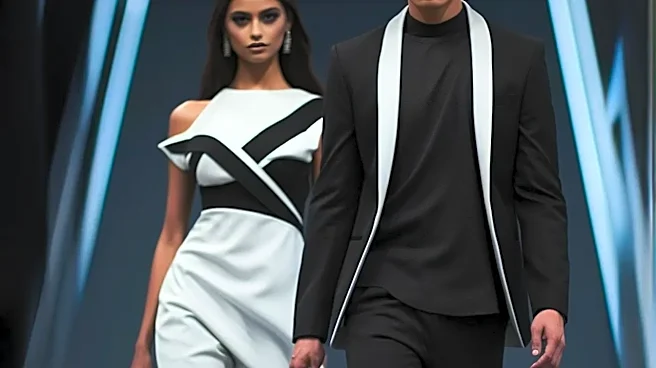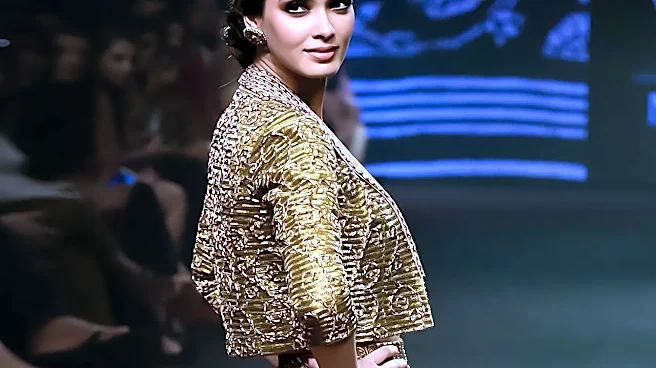

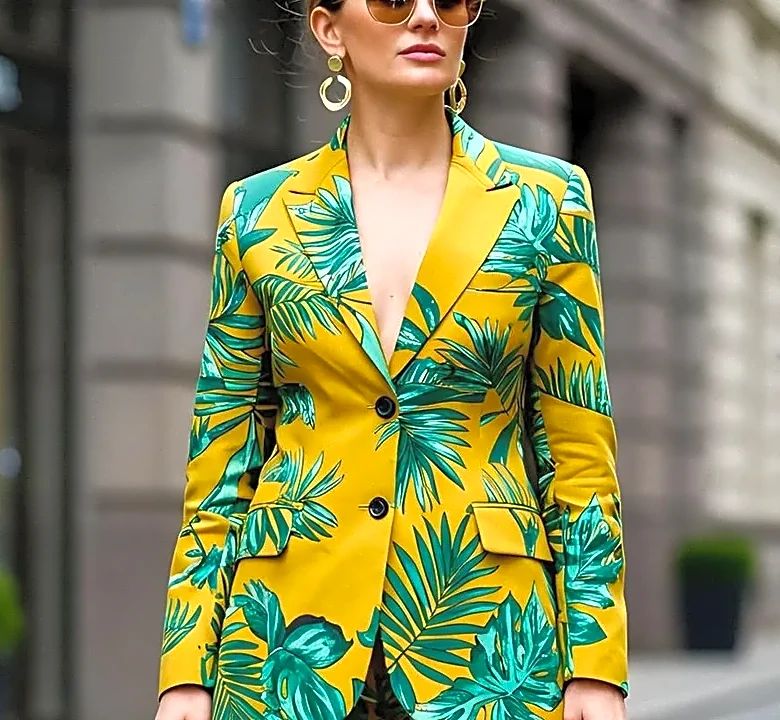
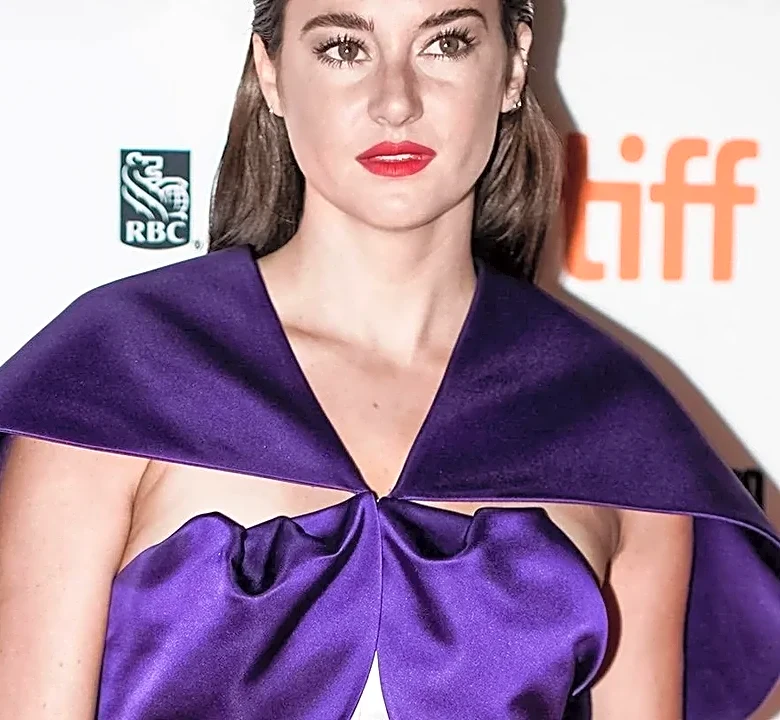

The Backstage Look vs. The Runway Reality
Backstage at any NYFW show is a scene of organized chaos, where a key makeup artist's vision is replicated by a team across dozens of models. The look is designed weeks in advance, but its application is anything but straightforward. In the calm, even
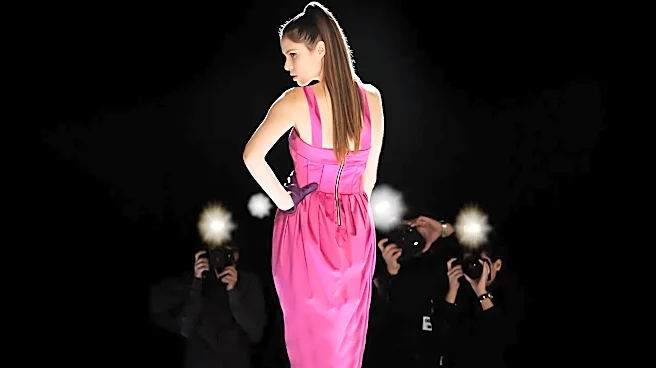
light of the prep area, the makeup can look intense, almost theatrical. Blush might seem brighter, contouring sharper, and eyeliner bolder than you'd ever wear. This is intentional. The entire application is a calculated response to the harsh, high-wattage lights that will flood the runway. What looks perfect in person will disappear under the glare, and what looks over-the-top backstage will translate to effortless perfection on the catwalk.
Fighting the Great Wash-Out
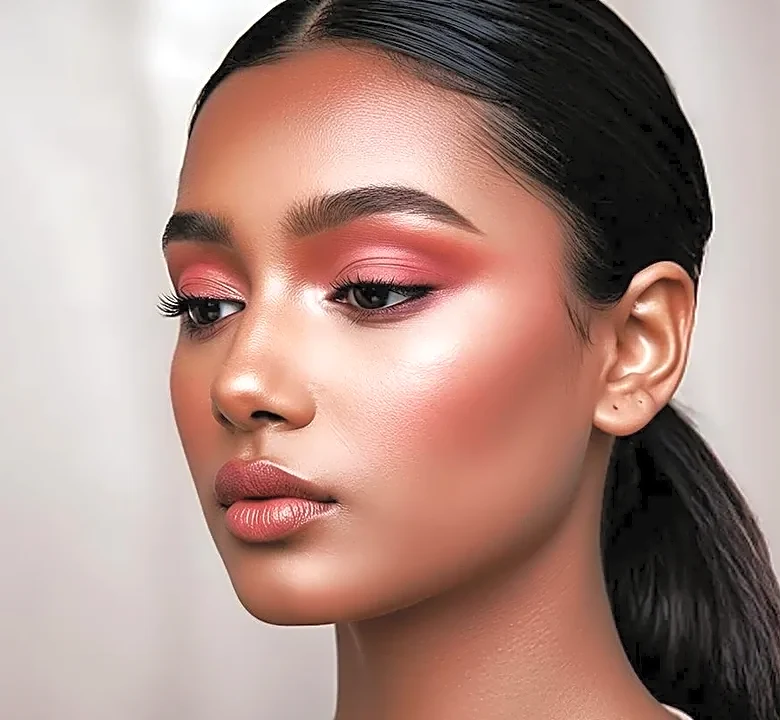
The single biggest challenge of runway lighting is 'wash-out.' The intense brightness, often from multiple angles, can bleach out color and flatten features. A soft, rosy blush that looks lovely in person will become invisible. To combat this, artists use highly pigmented products and apply them with a heavier hand than they would for an editorial photoshoot or everyday wear. Colors are often amplified. A subtle nude lip might be deepened, and a soft smoky eye might be intensified with deeper, richer tones. The goal isn't to create a look that's beautiful in the makeup chair; it's to create a look that holds its integrity 50 feet away under lights designed to illuminate clothing.
Sculpting Faces for the Spotlight
Runway lighting, especially direct front lighting, is notorious for flattening the face, erasing the natural shadows that give it dimension. To counteract this, makeup artists rely on exaggerated contouring and highlighting. They are essentially re-sculpting the model's bone structure so it remains visible from the audience. The chiseled cheekbones, defined jawlines, and sculpted noses you see are the product of strategically placed shadows and highlights that might look severe up close. Backlighting is also used to create silhouettes, but the makeup has to ensure the face doesn't get lost. This isn't the subtle contouring of a daily makeup routine; it's structural makeup artistry, ensuring features pop instead of receding.
Mastering Texture: From Matte to High-Gloss
Beyond color, texture is a critical tool. Under hot lights, skin can quickly look sweaty and oily. To control this, makeup artists often use mattifying powders and primers, especially in the T-zone. A matte finish absorbs light and ensures the 'glow' is deliberate, not accidental. However, high-shine textures are also used with extreme precision. A pop of gloss on the center of the eyelid, a slick of liquid highlighter on the highest point of the cheekbone, or a vinyl-finish lip can catch the light and create a moment of high-impact drama. Each texture is chosen based on how it will interact with the specific lighting setup of the show, which artists often test beforehand.
Setting It All in Stone
A look is useless if it doesn't last. Models endure heat, quick outfit changes, and the general stress of the backstage environment. The makeup has to withstand it all. Artists use a variety of techniques to lock everything in place. This includes layering creams and powders, using waterproof formulations for liners and mascaras, and generously applying setting sprays that act as a fine, invisible film over the finished face. Sometimes artists and their assistants will be lined up just before the models walk, providing last-second touch-ups with powder and lip gloss to ensure every look is pristine as it hits the runway. This final step ensures the carefully calibrated look remains perfect from the first step on the runway to the final walk.