



Characters You Actually Care About
A monster is only as scary as the stakes, and the stakes are the people it’s trying to eat. Disposable creature features often treat their human characters as little more than a buffet for the beast. The great ones do the opposite. Think of the begrudging
partnership of Val and Earl in Tremors (1990), two handymen whose biggest problem was leaving their dead-end town before giant worms showed up. Their banter and genuine friendship make you root for them. The same goes for the unlikely trio in Jaws (1975): a police chief afraid of water, a cocky oceanographer, and a crusty shark hunter. Their distinct personalities and conflicts make the final confrontation with the shark a battle between characters we've come to know, not just a spectacle of man versus fish. Without compelling humans, the monster has no one meaningful to menace.
A Perfect Sandbox of Terror
The setting in a creature feature is more than just a backdrop; it’s a trap. The best monster movies create a contained environment where the rules of the world are rewritten by the creature’s abilities. Amity Island in Jaws is a summer paradise where the one place everyone wants to be—the water—becomes a death sentence. The isolated desert valley in Tremors turns the very ground into a threat, forcing the characters to a life-or-death game of “the floor is lava.” Similarly, the claustrophobic corridors of the spaceship in Alien (1979) provide the Xenomorph with the perfect, shadowy hunting ground. These settings, or sandboxes, limit the characters' options and amplify the monster's unique threat, creating a puzzle box of survival that is thrilling to watch unfold.
A Creature with Rules
The most memorable movie monsters aren't just mindless eating machines; they have a logic to them. They have motives, habits, and weaknesses that characters (and the audience) must figure out. The Graboids in Tremors are blind and hunt by sound. The Predator has a code of honor, hunting for sport. The aliens in A Quiet Place are drawn to the slightest noise, making silence the only defense. This isn't just for plot convenience; it establishes the rules of the game. It allows the characters to be smart and proactive, turning them from simple prey into strategists. Learning the monster's rules alongside the characters is one of the genre's great satisfactions, making the eventual victory (or defeat) feel earned rather than arbitrary.
The Slow, Satisfying Burn
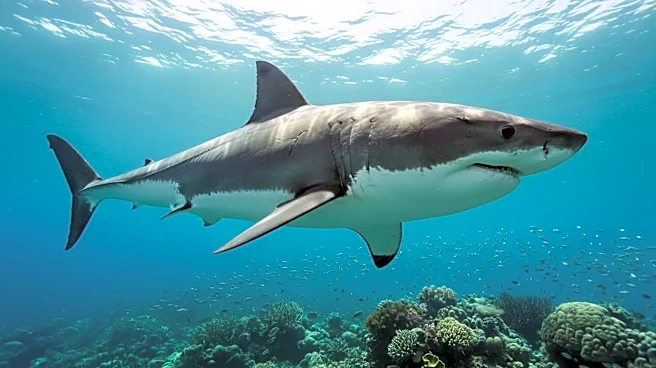
One of the biggest mistakes a monster movie can make is showing too much, too soon. The power of a great creature feature often lies in the anticipation. For the first two-thirds of Jaws, the shark is more of a presence than a physical entity—a fin, a broken dock, a silent threat from below. This less-is-more approach forces the audience to use their imagination, which is often far more terrifying than any special effect. Alien follows the same principle, teasing the creature with glimpses of its lifecycle before the full, horrifying reveal. This slow burn builds suspense and makes the monster's eventual appearance a climactic event. Disposable monster flicks often throw their CGI creation at the screen in the first ten minutes, robbing the film of any mystery or tension.
A Wink of Self-Awareness
The best creature features understand what they are. They embrace a bit of B-movie charm without descending into outright parody. Films like Tremors and Arachnophobia (1990) are packed with humor that complements the horror instead of undercutting it. Even a serious thriller like Jaws has moments of levity and character-driven comedy. This self-awareness lets the audience know it's okay to have fun. It’s a delicate balance; too serious and it can feel ponderous, too goofy and it becomes a joke. The sweet spot is a film that takes its characters and its monster seriously, but doesn't forget that the primary goal is to provide a thrilling, entertaining ride for a summer afternoon.