




The Lost Art of Appointment TV
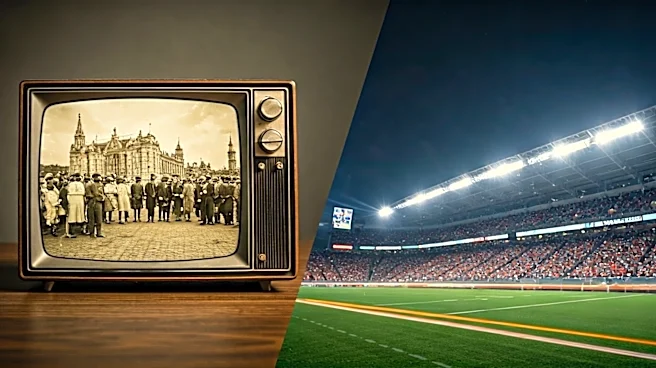
For decades, the “network movie of the week” was a cultural institution. It was the premiere of The Day After on ABC, drawing 100 million viewers to confront nuclear apocalypse. It was a new Disney film on The Wonderful World of Disney. It was a shared
experience, a national conversation starter delivered directly to your living room. But then came the thousand cuts: premium cable, the VCR, a deluge of channels, and finally, the streaming tsunami. The idea of millions of people choosing to watch the same thing, at the same time, simply because a network decided they should, began to feel like a relic. The economics shifted, the audiences fragmented, and the big, bold, swing-for-the-fences network movie event faded into nostalgic memory, replaced by on-demand convenience.
A Holiday Demanding a National Stage
Enter Juneteenth. When it was declared a federal holiday in 2021, it wasn’t just a day off work. It was a formal acknowledgment of a pivotal moment in American history, one that had long been celebrated within Black communities but was new to the mainstream national consciousness. This created a unique opportunity—and responsibility—for broadcasters. A new federal holiday doesn't come with pre-packaged traditions like a Super Bowl or a Thanksgiving parade. It arrives as a powerful, open question: How do we, as a nation, observe this? Networks, with their immense reach and production capabilities, were suddenly positioned to help define the answer. The moment called for something more than a standard news report; it demanded a stage.
More Than Just Another Special
What we’ve seen in response is programming that feels fundamentally different. Specials like CNN’s “Juneteenth: A Global Celebration for Freedom” are not just TV shows; they are cultural happenings. Filmed at iconic venues like the Hollywood Bowl, featuring a jaw-dropping lineup of Black artists from Chaka Khan and Questlove to Earth, Wind & Fire, these productions have scale, purpose, and a sense of historical gravity. This isn't just content to fill a time slot. It's mission-driven entertainment. It gives artists a reason to show up and participate in a way they might not for a standard variety show. It gives audiences a reason to tune in live, to feel part of a communal celebration of freedom, history, and artistic excellence. It generates social media buzz and, crucially, a sense of occasion—the very thing the old network movie event was built on.
The New Blueprint for 'Must-See TV'
This is where the revival happens. The Juneteenth model offers a blueprint for networks to reclaim relevance. Streamers excel at providing endless choice, but they struggle to create singular, live, national moments. A network-produced Juneteenth event does what Netflix can’t: it unites a massive, diverse audience in a shared real-time experience. For advertisers, it’s a golden opportunity to align their brands with a positive, culturally significant event. For the networks, it’s a chance to earn prestige, generate goodwill, and remind viewers of their unique power to convene a national audience. By investing in these high-production, mission-oriented events centered on Juneteenth, networks aren't just airing a holiday special. They are rebuilding the very muscle of appointment television, proving that with the right story and the right stakes, you can still get millions of Americans to put down their phones and watch something together.