


The Shape of the Sixties
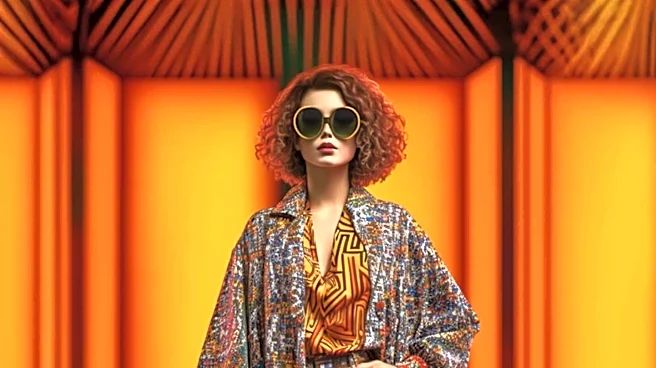
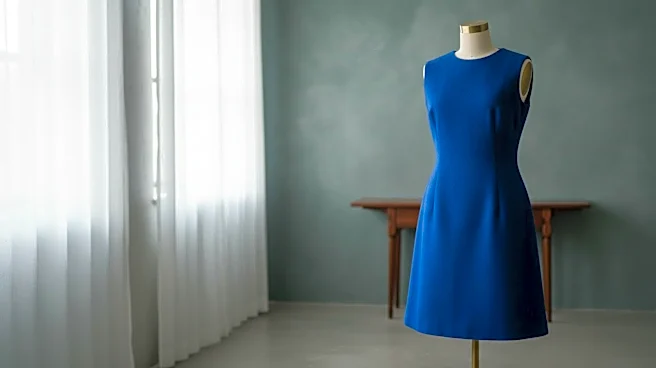
The defining look of the 1960s youthquake was a deliberate and radical break from the past—or so it seemed. Designers like Mary Quant and André Courrèges championed the shift dress and the A-line skirt, simple shapes that hung straight from the shoulders.
This new silhouette was architectural and minimalist. Crucially, it erased the waist, rejecting the restrictive, hyper-feminine hourglass ideal of the 1950s that required structured undergarments to achieve. The Mod look was boyish, prioritizing a youthful, almost pre-adolescent slimness. It was designed for movement and freedom, a uniform for a generation that was breaking rules and inventing its own.
A Whisper From the Jazz Age
Now, let’s rewind forty years. The 1920s, another decade defined by youth rebellion, had its own sartorial revolution. Following World War I, women shed their corsets for the “flapper” style: loose, straight-cut chemise dresses with dropped waists that fell to the hip. Just like the Mods, the flappers favored a boyish, androgynous figure, suppressing the bust and hips to create a tubular shape. Their hemlines rose to scandalous new heights—just below the knee—which, for the time, was as shocking as the miniskirt would be decades later. The goal was the same: freedom from the restrictive clothing and social expectations of their parents' generation.
A Blueprint for Rebellion
The parallels are impossible to ignore. The A-line shift dress of the 1960s is a direct descendant of the 1920s flapper dress. Both are simple, tubular shapes that de-emphasize curves and liberate the body. Designers in the '60s were openly nostalgic for the '20s. American designer Norman Norell showed collections in the mid-1960s that were virtual copies of 1920s designs, styling models with bobbed hair and rouged knees. Yves Saint Laurent was famously inspired by the geometric art of Piet Mondrian, whose work rose to prominence in the 1920s. Even Mary Quant, the mother of the miniskirt, was personally inspired by the era, sporting a sharp 1920s-style bob haircut herself.
Why Look Back to Go Forward?
So why would the forward-facing, modernist Mods look to the past? Because they saw a kindred spirit. Both the 1920s and 1960s were post-war periods characterized by enormous social and cultural upheaval. They were decades of “youthquake,” where for the first time, fashion trends started on the street with young people, rather than trickling down from elite Paris couture houses. The flapper and the Mod were both symbols of the “new woman”: independent, socially active, and rebellious. By adopting the silhouette of the 1920s, the youth of the 1960s weren't just borrowing a dress shape; they were channeling a spirit of liberation that felt incredibly relevant to their own fight against the conservative establishment.




)