





The Egalitarian Mountain Town
The secret to Telluride's social fabric begins with geography. Nestled in a box canyon, the town is small, remote, and walkable. Over Labor Day weekend, its population triples with film lovers. There are no fleets of black cars or sprawling, exclusive
zones separating stars from ticket holders. Instead, everyone—from A-list directors and actors to students and cinephiles—walks the same streets, waits in the same coffee lines, and rides the same free gondola between the town and Mountain Village. This enforced proximity creates a remarkably democratic atmosphere. The filmmaker whose work you just saw might end up behind you in the queue for a slice of pizza, ready to chat. This shared, unpretentious environment strips away the typical industry hierarchy, making spontaneous connections not just possible, but inevitable.
The Thrill of the Unknown
Unlike nearly every other major festival, Telluride keeps its lineup a closely guarded secret until the festival begins. Attendees book flights and passes based on blind faith, trusting the festival's half-century reputation for curation. This tradition does more than just build anticipation; it creates a powerful shared experience. Without a pre-set schedule of must-see premieres, everyone arrives on a level playing field, ready for discovery. The buzz isn't manufactured by publicists weeks in advance; it’s generated in real-time, in conversations between screenings. This element of surprise fosters a sense of collective adventure, as attendees piece together the program's treasures together, sharing tips and recommendations in a dynamic, weekend-long dialogue.
Where the Line Itself Is an Event
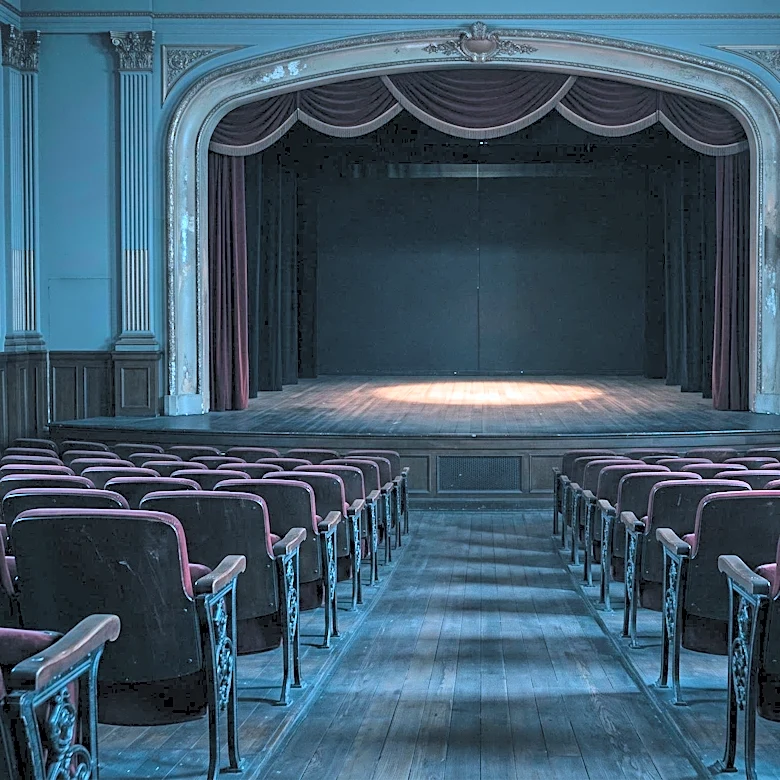
At many events, waiting in line is a necessary evil. At Telluride, it’s a central part of the social scene. The queues outside the historic Sheridan Opera House or the Werner Herzog Theatre are where the festival's community truly comes alive. Strangers become temporary friends, debating the merits of a film they just exited or offering passionate endorsements for the one they're about to see. It’s here that the festival’s ethos of being a “celebration of film” rather than a competition becomes most apparent. The conversations are fueled by a pure love of cinema, not by industry deal-making or celebrity spotting. This culture of open discussion turns downtime into one of the most enriching parts of the Telluride experience.
A Curated Celebration, Not a Competition
Telluride’s organizers make it clear: this is a celebration, not a competition. There are no juries or prizes for the films, which shifts the focus from winning to appreciating. The program is a thoughtful mix of new works, restored classics, and tributes to cinematic legends, curated with a personal touch by the festival directors and an annual Guest Director—with actress and filmmaker Rebecca Hall taking the role for the 53rd edition in 2026. This approach encourages a different kind of viewing. Audiences are there to honor the art and craft of filmmaking, from its past to its future. The intimate Q&As and panel discussions that follow screenings aren't just promotional events; they are deep, candid conversations that connect the creators and the audience in a shared space of appreciation.