




An Operating System, Not a Playlist
To understand Burning Man’s entertainment, you first have to forget the traditional festival model. It’s not a concert where you are a passive consumer of performances. Instead, the event runs on a cultural operating system defined by its Ten Principles.
Three of these principles are key to its unique entertainment landscape: Decommodification, Gifting, and Radical Self-Expression. Decommodification means no commercial sponsorships, transactions, or ads are allowed. You can’t buy or sell much of anything, which instantly removes the financial incentive for performance. Gifting means that offerings—whether a song, a drink, or a mind-bending interactive experience—are given freely without expectation of anything in return. And Radical Self-Expression encourages participants to bring and share their unique creative talents. Together, these principles create an environment where everyone is a potential performer and no one is just an audience member.
Theme Camps: The Decentralized Venues
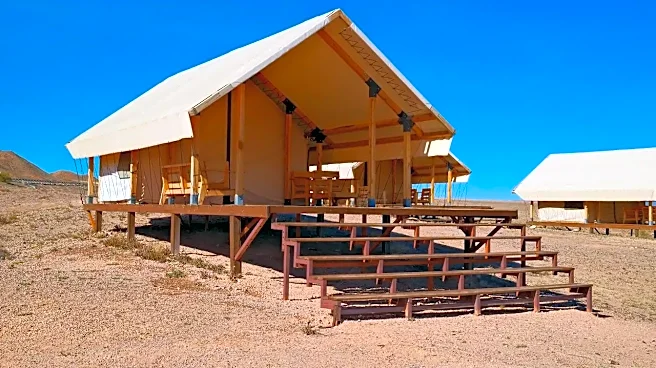
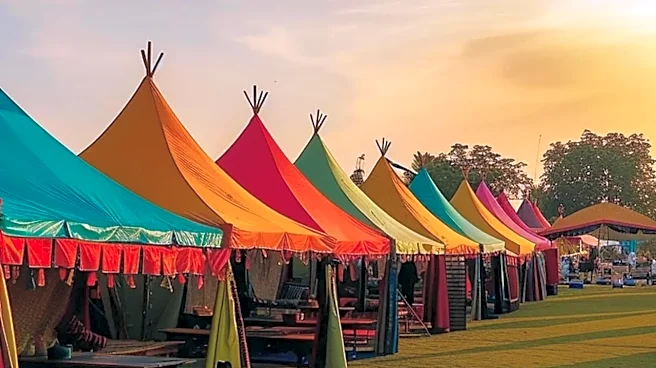
So if there are no official stages, where does everything happen? The answer lies in theme camps. These are the heart of Black Rock City's social and cultural life. Groups of participants organize themselves to create a public-facing offering as a gift to the community. These camps become the de facto venues, each with its own vibe and programming. One camp might be a massive, multi-story sound stage with world-renowned DJs who play for free, another might be an intimate bar serving grilled cheese sandwiches, a third might host sober ecstatic dance, and a fourth could be a quiet space for meditation workshops. With over a thousand registered theme camps each year, the city is a sprawling, chaotic, and endlessly surprising network of experiences created entirely by its citizens. The “entertainment” is what you stumble upon while exploring this temporary city.
Big Art Funded by the Community
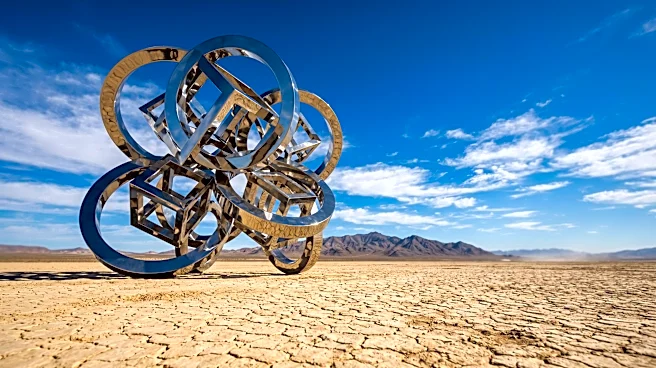
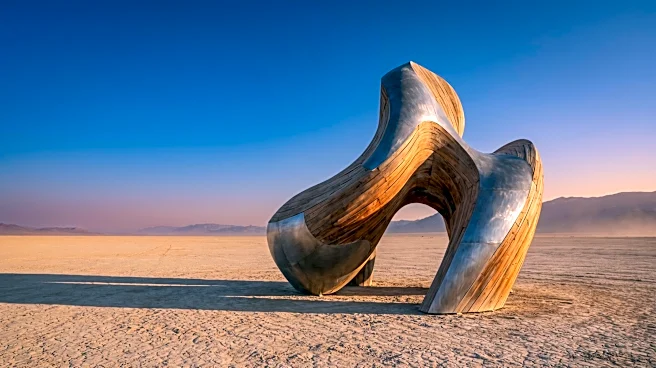
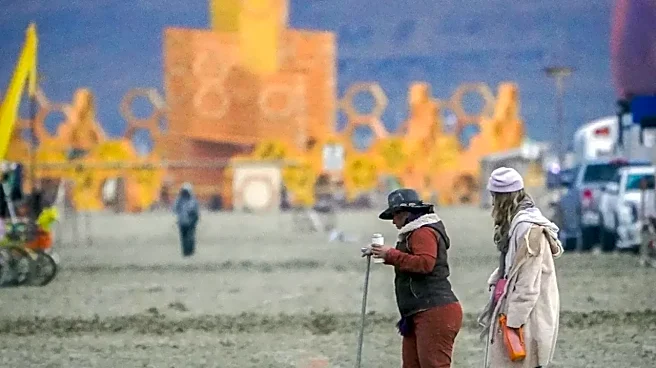
While theme camps provide the social fabric, the massive, jaw-dropping art installations that dot the open desert (the “playa”) are another core component. Many of these are far too large for any individual to fund alone. This is where the Burning Man Project, the non-profit that organizes the event, plays a limited but crucial role. Through its Honoraria program, it distributes grants to help artists partially fund the creation of ambitious art projects. In 2026, for instance, the organization awarded $1.3 million to 75 different art projects. This money comes from ticket sales and donations, not corporate sponsors. It's a community-funded arts grant that ensures monumental, non-commercial art remains at the center of the event, all without a single curator dictating the content beyond a chosen annual theme. Artists from around the world can apply, and many bring their art without any funding at all.
The Power of No Headliners
The absence of a central talent booker has profound effects. Without a main stage or a must-see headliner, there's no focal point of consumption. This disperses the population and encourages exploration and discovery. The experience is not about seeing a famous band; it's about the joy of turning a corner and finding a pop-up roller disco, a fire-breathing octopus, or an art car shaped like a giant rubber duck blasting funk music. This model forces participation. You aren't just attending an event; you are the event. Critics sometimes point to the rise of 'plug-and-play' camps or social media influencers as a threat to this decommodified ethos, but the core structure remains resiliently anti-commercial. The magic isn't in what was booked for you, but in the unscripted, collaborative, and often bewildering creativity you get to be a part of.